

People who walk more or walk faster live longer, study finds

Rosacea treatments: What works?

For sleep apnea, a dental device may be as effective as CPAP

Carb cycling: What is it, and does it work?

Melatonin or magnesium: Can either supplement help you sleep?

Salmonella, E. coli, Cyclospora, and other germs that cause food poisoning: What you need to know

Understanding orthorexia: Have your healthy eating goals gone too far?

Shingrix shingles vaccine linked with lower heart disease risks

Naturally gluten-free foods

Harvard study: Healthier fats linked to longer life after prostate cancer diagnosis
Sleep Archive
Articles

Are colon cleanses safe?
Colon cleanses are marketed to help detoxify the body, boost weight loss and immune function, and increase energy. But the colon removes toxins on its own. Colon cleanses also pose multiple health risks.
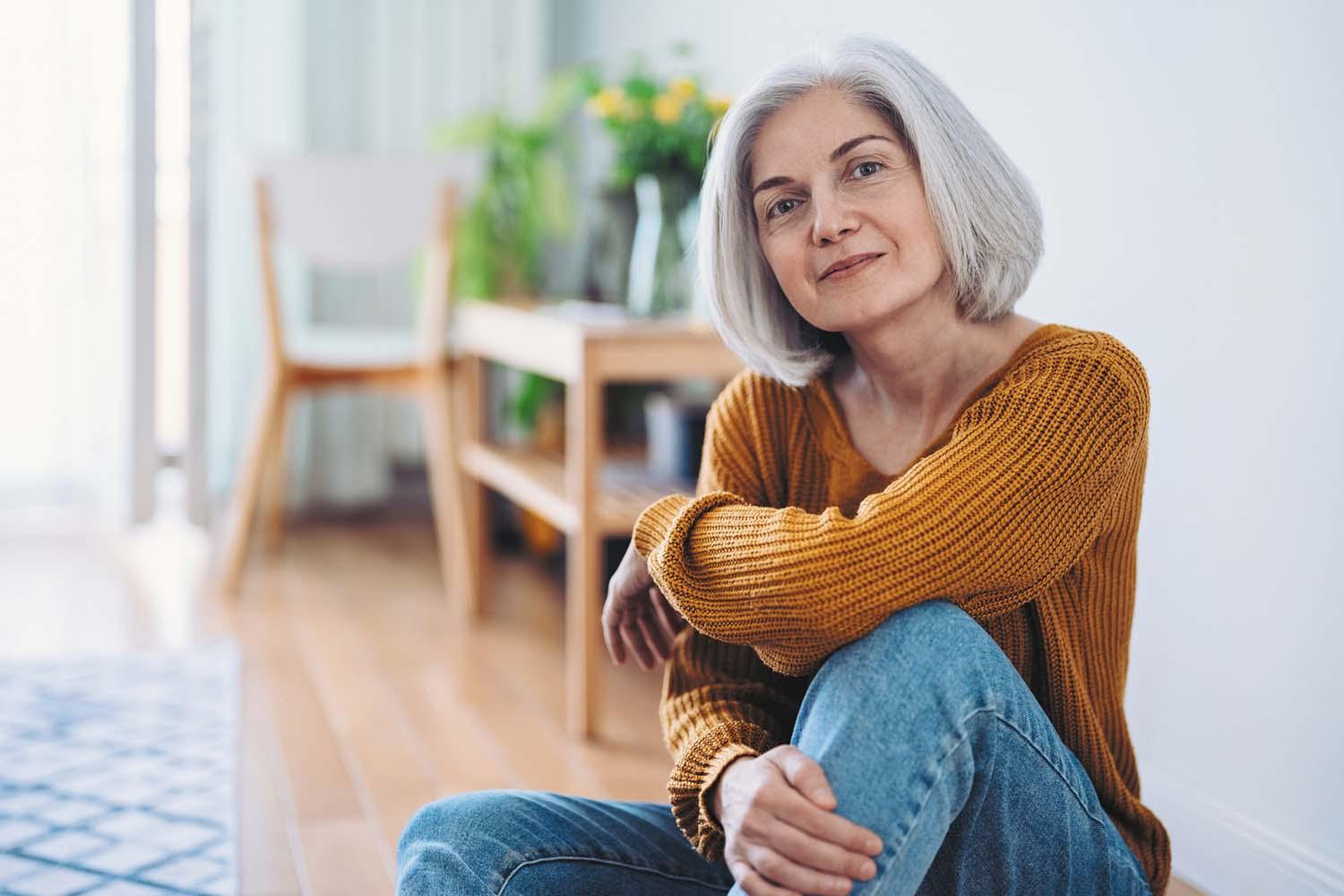
What the sitting-rising test says about your health
The sitting-rising test gauges how easily people can rise to their feet from sitting on the floor, using as little support as possible. A 2025 study suggested the test may help predict someone's longevity. People who scored the lowest were nearly four times more likely to die of natural causes and six times more likely to die of cardiovascular causes than participants who scored a perfect 10 on the test. The movement requires strength, coordination, balance, and flexibility. These components of fitness tend to drop off more precipitously in women as we age.
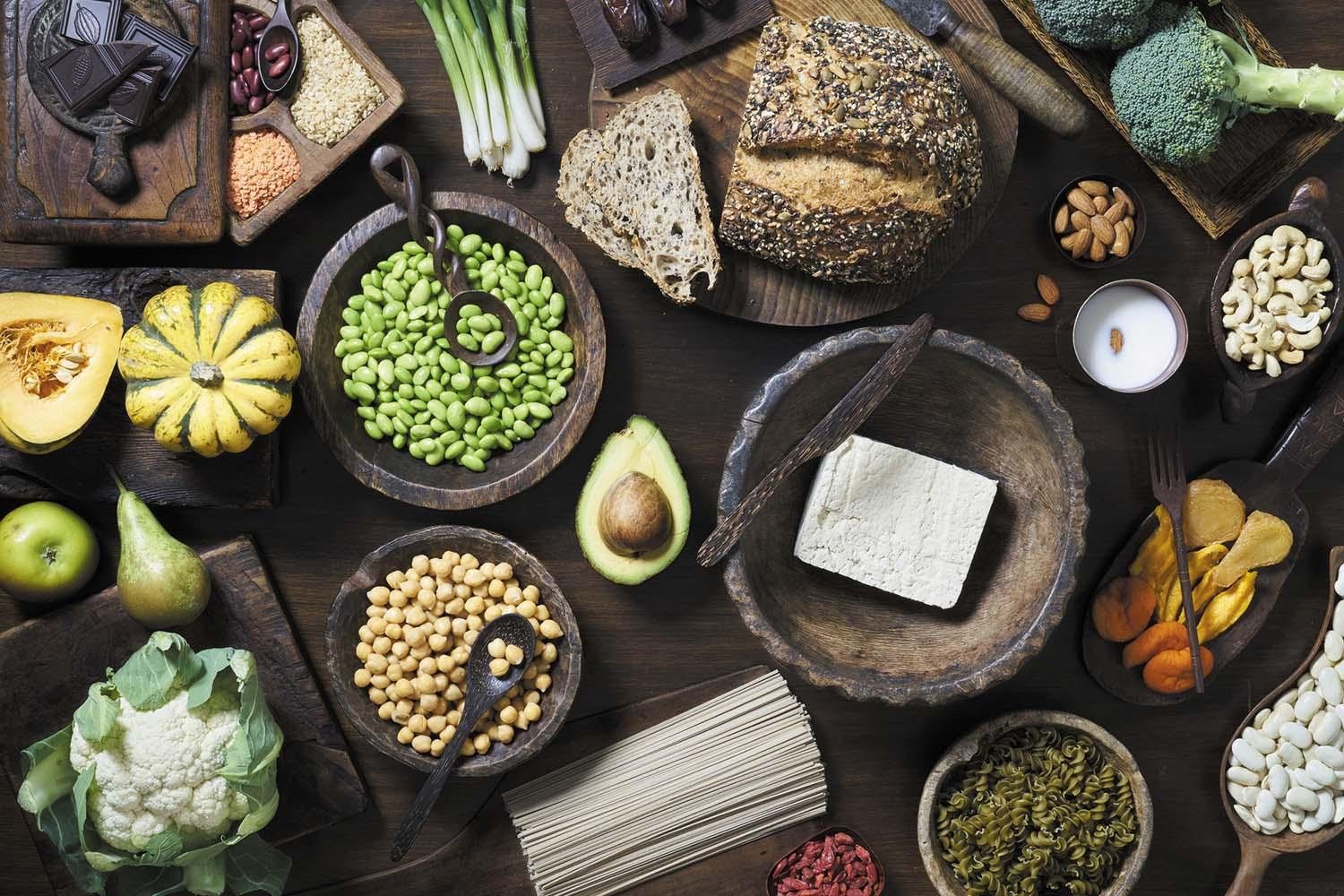
High-quality carbohydrates in midlife may keep women healthier as they age
A 2025 study suggests that women who eat more high-quality carbohydrates-which include whole grains, fruits, vegetables, and legumes-in their 40s and 50s are more likely to age healthfully.
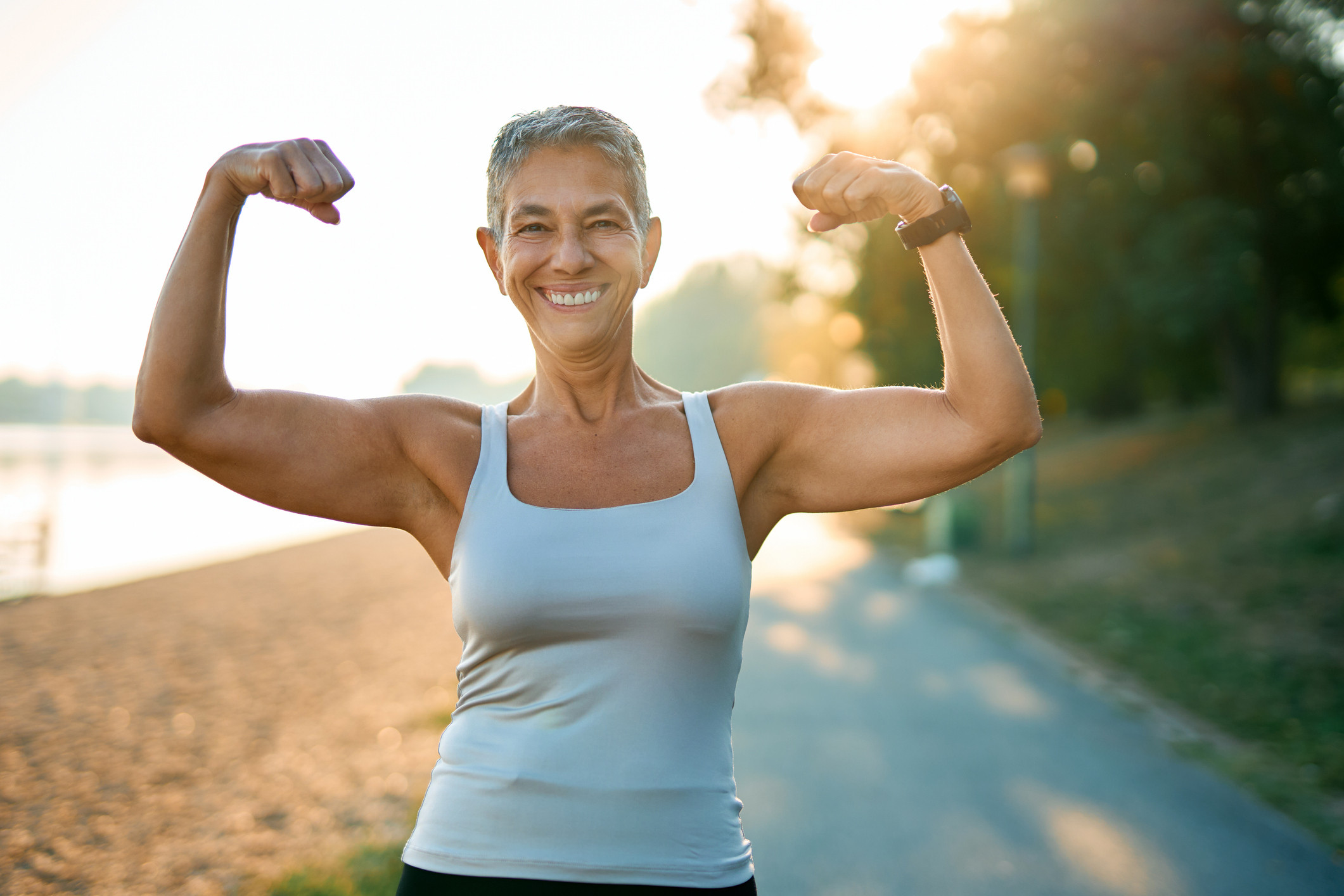
A brief fitness test may predict how long you'll live
In a 2025 study, middle-aged and older people who could do the sit-to-rise test without support were less likely to die (especially of cardiovascular disease) within the following decade. The test is a good way to assess strength, flexibility, and balance-all of which are all vital for helping people to stay active and functioning well as they grow older.
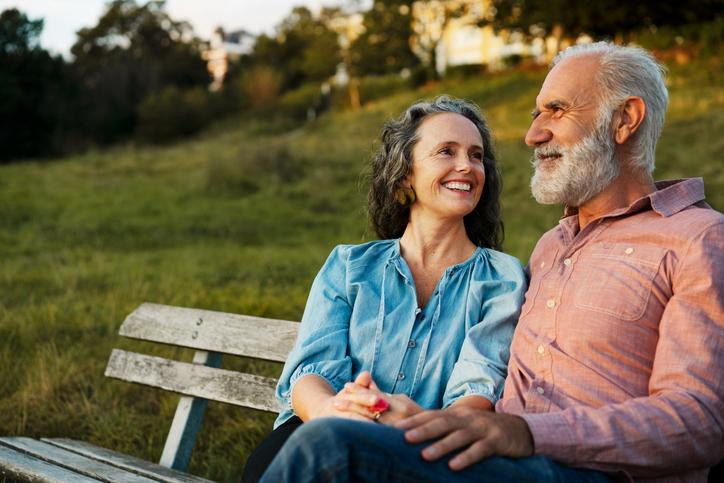
Heart-healthy habits appear to benefit the entire body
Habits that promote cardiovascular health are linked to benefits in nearly every organ system and improved function throughout the body, according to a 2025 review of 483 studies.

Lessons from women on longevity
Women live longer than men. However, that longevity gap in the United States has increased to 5.8 years, the largest gap since 1996, according to a 2024 study. Why the widening gap? Researchers believe that in many cases, women are better than men at addressing certain health needs that contribute to longer lives, such as losing excess weight, quitting smoking, getting regular skin check-ups, and not ignoring mental health issues.
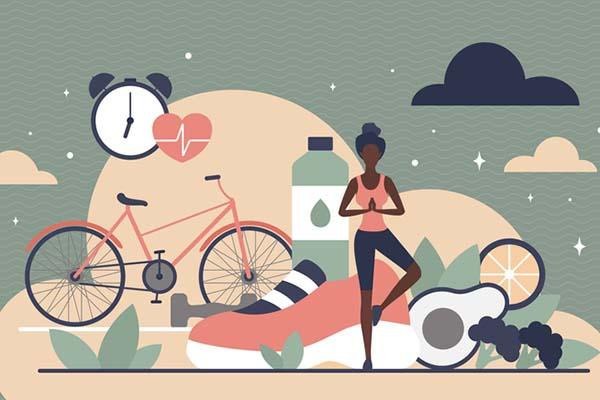
5 timeless habits for better health
Influencers, news headlines, and well-meaning friends and family offer conflicting advice on wellness. Quick fixes and fads may do little for our health, and some even prove harmful. Try to work these five simple habits that can boost health and wellness into your everyday life.
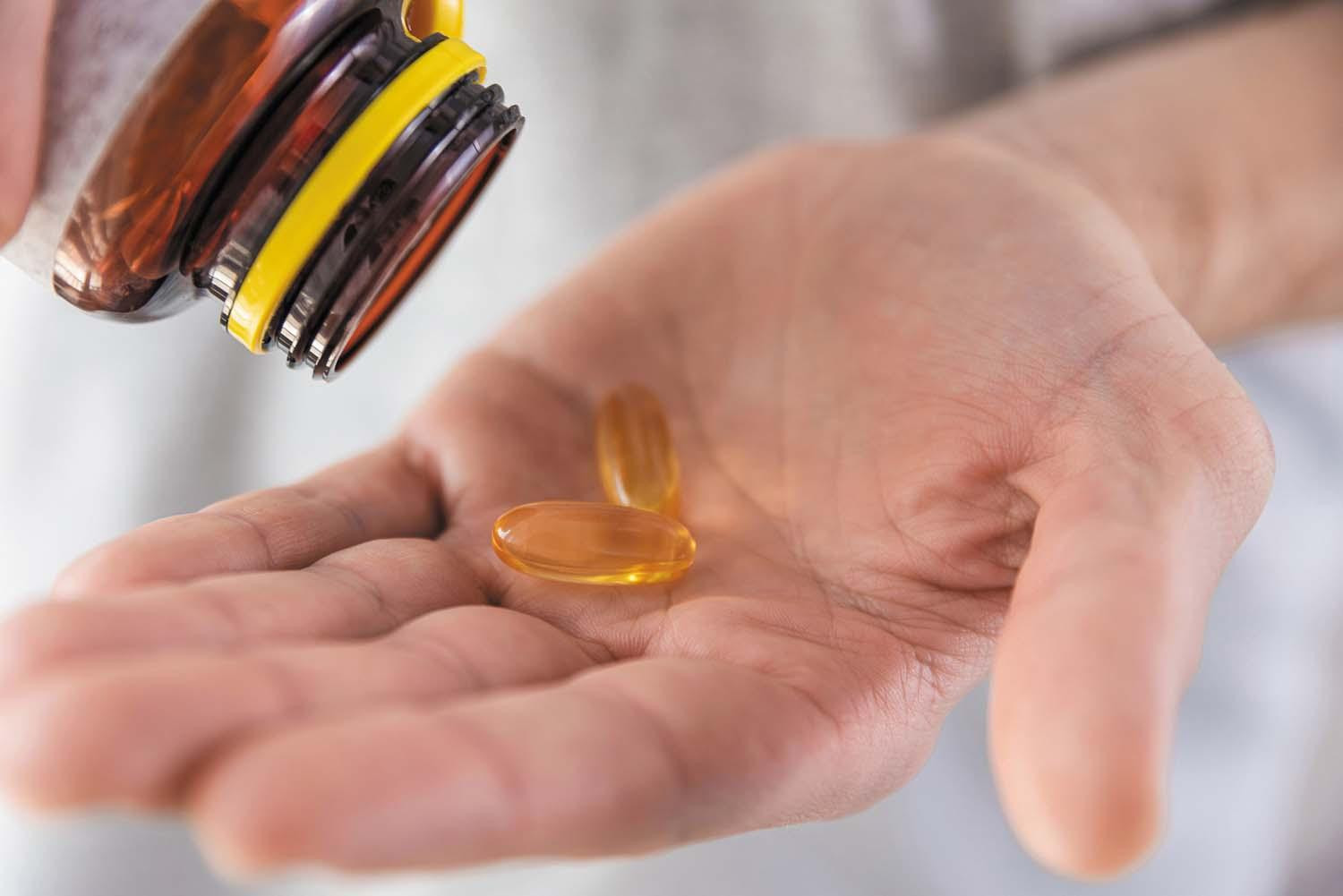
Will vitamin D supplements keep me younger?
In a 2025 randomized trial of about 1,000 people (ages 50 or older), followed for four years, those who took 2,000 international units of vitamin D3 per day showed cellular signs that suggested they were aging more slowly compared with people who did not take the supplement. It’s unclear if this benefit would continue from taking daily pills longer than four years. Scientists do know that taking vitamin D3 supplements is important for people with osteoporosis or with vitamin D deficiency (as determined by a blood test).

Solo aging: Who can you rely on?
Solo-agers are people 50 and older who aren't married, don't have children, and live alone. Many of them don't have people they can count on to help them with household tasks or manage their ongoing care, if needed. While solo aging can offer perks, it can also leave older adults vulnerable to deteriorating mental and physical health. Solo-agers may count on help from siblings, neighbors, friends, community groups, or paid help. They can build their support by setting up a buddy system, staying in regular touch with loved ones, and tapping senior programs.
Do I need to rebalance my pH?
The body's pH level supports a variety of crucial functions. Certain health conditions can create a pH disturbance. People can support a healthy pH by eating a balanced diet featuring fruits, vegetables, whole grains, lean meat, and fish.
People who walk more or walk faster live longer, study finds
Rosacea treatments: What works?
For sleep apnea, a dental device may be as effective as CPAP
Carb cycling: What is it, and does it work?
Melatonin or magnesium: Can either supplement help you sleep?
Salmonella, E. coli, Cyclospora, and other germs that cause food poisoning: What you need to know
Understanding orthorexia: Have your healthy eating goals gone too far?
Shingrix shingles vaccine linked with lower heart disease risks
Naturally gluten-free foods
Harvard study: Healthier fats linked to longer life after prostate cancer diagnosis
Free Healthbeat Signup
Get the latest in health news delivered to your inbox!
Sign Up
