

Naturally gluten-free foods

Harvard study: Healthier fats linked to longer life after prostate cancer diagnosis

Shingrix shingles vaccine linked with lower heart disease risks

Estrogen-only hormone therapy tied to lower dementia risk

Should you have a hysterectomy?

Stair climbing may significantly lower cardiovascular risks

Why do I sweat so much?

Walking pneumonia: The "mild" illness that can still pack a punch

What causes knee pain: How doctors make a diagnosis
Where you carry excess weight matters in predicting heart disease risk
Preventive care Archive
Articles


Healthy lifestyle can prevent diabetes (and even reverse it)
Type 2 diabetes is a major cause of vision loss and blindness, kidney failure requiring dialysis, heart attacks, strokes, amputations, infections, and even early death. Research suggests that a healthy lifestyle can prevent diabetes from occurring in the first place, and even reverse its progress.

The bitter truth about added sugar
American adults consume an average of 77 grams (almost 20 teaspoons) of sugar per day. A little extra sugar may seem harmless, but the amounts can add up and, over time, contribute to a variety of health issues, like obesity, diabetes, and heart disease. Avoiding high-sugar foods by reading labels and cutting out sugar-sweetened beverages are the best ways to lower intake of added sugar.

Produce prescriptions may promote better heart health
The typical American diet isn't very healthy, and dietary shortfalls are more pronounced among people living in lower-income neighborhoods. A study analyzing data from produce prescription programs suggests that improving access to fresh vegetables and fruits may improve heart health.

Rare and often aggressive, Merkel cell cancer is best caught early
Merkel cell cancer is a rare form of skin cancer that often spreads aggressively to other areas of the body. Here's what to know about it, including who is more likely to get it and how you can take steps to help prevent it.

The far-reaching effects of a little bit of weight loss
Losing 5% of one's total body weight can result in clinically significant physiologic changes. For example, losing a little weight can reduce heartburn, knee pain, blood pressure, and diabetes risk. Losing 5% of one's body weight may also lead to better sexual function, more restorative sleep, extra energy, and more self-esteem. To reach a 5% reduction in total body weight, it helps to exercise; eat a healthy diet rich in lean proteins, whole grains, fruits, vegetables, legumes, nuts, and seeds; and get enough sleep.
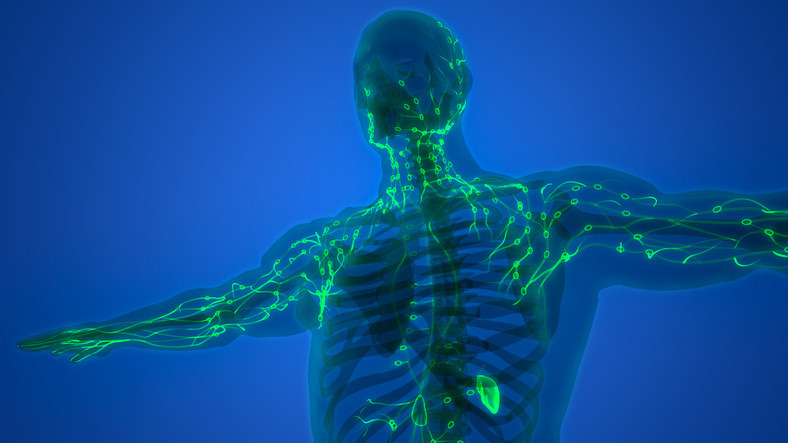
Wondering what your lymph nodes have done for you lately?
The human body has hundreds of lymph nodes, one part of the immune system that helps defend the body against health threats. They aren't usually noticeable, but they are always working to deal with potential health problems.

Getting over the fat phobia
There are several types of dietary fat. Some fats are unhealthy, such as trans fat and saturated fat. Polyunsaturated and monounsaturated fat are healthy.

Start moving with a fitness tracker
Fitness trackers accurately record objective data about physical activity, including the pace, distance, intensity, and duration of exercise. Knowing that something is keeping track of every move can motivate people to stick with a workout.

Malnutrition alert: Load your freezer with healthy foods
For older adults who can't always go to the store, it's smart to keep the freezer stocked with healthy, fresh foods all year through. Staples include a variety of proteins (meat, poultry, and seafood), fruits, and vegetables.
Naturally gluten-free foods
Harvard study: Healthier fats linked to longer life after prostate cancer diagnosis
Shingrix shingles vaccine linked with lower heart disease risks
Estrogen-only hormone therapy tied to lower dementia risk
Should you have a hysterectomy?
Stair climbing may significantly lower cardiovascular risks
Why do I sweat so much?
Walking pneumonia: The "mild" illness that can still pack a punch
What causes knee pain: How doctors make a diagnosis
Where you carry excess weight matters in predicting heart disease risk
Free Healthbeat Signup
Get the latest in health news delivered to your inbox!
Sign Up
