

Naturally gluten-free foods

Harvard study: Healthier fats linked to longer life after prostate cancer diagnosis

Shingrix shingles vaccine linked with lower heart disease risks

Estrogen-only hormone therapy tied to lower dementia risk
Should you have a hysterectomy?

Stair climbing may significantly lower cardiovascular risks

Why do I sweat so much?

Walking pneumonia: The "mild" illness that can still pack a punch

What causes knee pain: How doctors make a diagnosis
Where you carry excess weight matters in predicting heart disease risk
Preventive care Archive
Articles

Staying in shape: A case of "use it or lose it"
Fitness levels rapidly diminish when people abruptly stop workouts. Cardiovascular fitness declines within weeks, while muscle strength deteriorates after about two months. The longer a person hasn't exercised, the longer it will take to regain prior fitness levels. To restart exercise, people should seek their doctor's approval, especially if they have chronic conditions; build up exercise levels slowly; do the same types of exercises they once enjoyed; find an exercise partner; and track progress with wearable devices or by keeping a paper log.

Fall shots: Who's most vulnerable to RSV, COVID, and the flu?
Learn which vaccines can help protect you against serious illness and hospitalization from RSV, COVID, and the flu this fall.

Got immunity? Thank your thymus
The thymus gland is very important in the development of the immune system during fetal growth, infancy, and early childhood. As we grow into adulthood the thymus shrinks, but growing evidence suggests the gland may play a role in adult health for much longer than previously thought.

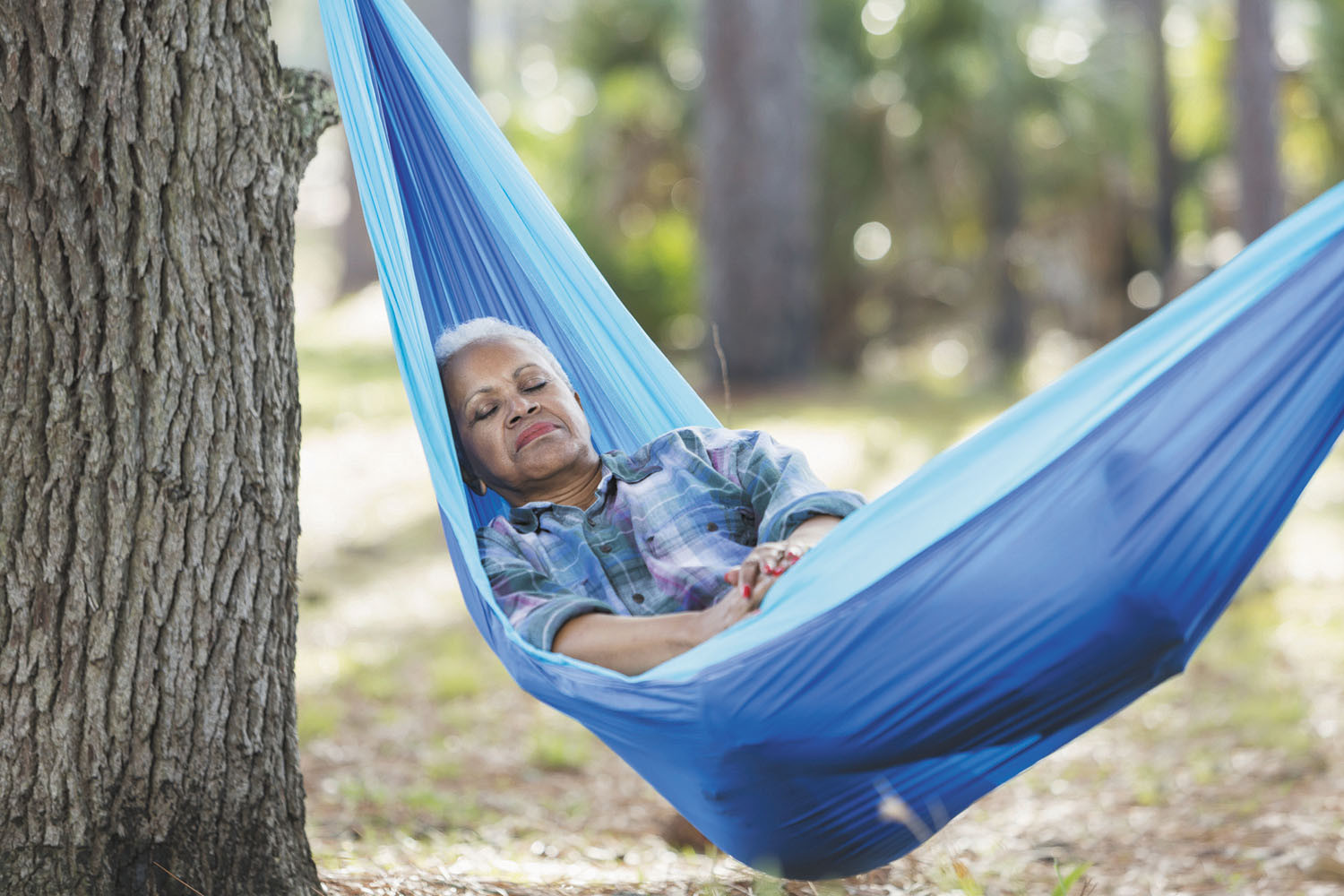
Is your daily nap doing more harm than good?
Naps can be healthy for adults who need to catch up on sleep or work odd hours, but they can also make it more difficult to sleep at night and be a sign of a sleep disorder. Naps should be short and limited to the early afternoon to prevent them from interfering with nighttime sleep. People who have the urge to nap daily should consider whether they need to improve their nighttime sleep habits.

When — and how — should you be screened for colon cancer?
In the US population as a whole, deaths from colon cancer have been declining, but in people under 50 that rate has increased. Most major medical organizations recommend screening beginning at age 45 for people at average risk.

7 organs or glands you may do just fine without
Removing tonsils in childhood was once routine care for healthy children, but is no longer recommended. Why are some organs and glands — appendix, tonsils, adenoids and more — considered expendable and why do we have them if they're not needed?


Naturally gluten-free foods
Harvard study: Healthier fats linked to longer life after prostate cancer diagnosis
Shingrix shingles vaccine linked with lower heart disease risks
Estrogen-only hormone therapy tied to lower dementia risk
Should you have a hysterectomy?
Stair climbing may significantly lower cardiovascular risks
Why do I sweat so much?
Walking pneumonia: The "mild" illness that can still pack a punch
What causes knee pain: How doctors make a diagnosis
Where you carry excess weight matters in predicting heart disease risk
Free Healthbeat Signup
Get the latest in health news delivered to your inbox!
Sign Up
