

Naturally gluten-free foods

Harvard study: Healthier fats linked to longer life after prostate cancer diagnosis

Shingrix shingles vaccine linked with lower heart disease risks

Estrogen-only hormone therapy tied to lower dementia risk
Should you have a hysterectomy?

Stair climbing may significantly lower cardiovascular risks

Why do I sweat so much?

Walking pneumonia: The "mild" illness that can still pack a punch

What causes knee pain: How doctors make a diagnosis
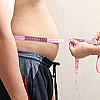
Where you carry excess weight matters in predicting heart disease risk
Preventive care Archive
Articles

Waist-to-hip ratio better than BMI in predicting future health issues
According to a 2023 study, a person's waist-to-hip ratio-the circumference of the waist divided by the circumference of the hip-is a better predictor of future health issues like high blood pressure, heart disease, and type 2 diabetes than body mass index.

Prebiotics in plant-based foods may help control unhealthy eating
A 2023 study suggests eating more prebiotics-compounds found in plant fiber that nourish healthy bacteria in the gut-may affect the brain's reward network in a way that helps people make healthier food choices.

How to lower your dementia risk
An estimated 3% of adults ages 65 and older currently have dementia, and that proportion rises substantially as people age. The most convincing evidence for reducing one's risk relates to the basic foundations for an overall healthy lifestyle: aerobic exercise, a plant-based diet, and quality sleep. Aerobic exercise helps reduce the buildup of toxic proteins in the brain and improves blood flow, a plant-based diet can manage inflammation, and quality sleep helps the brain clear out harmful proteins.

Prepare for a fall
More than one in four adults ages 65 and older fall each year, and about 20% of those tumbles result in a broken bone or head injury. The best way to prevent falls is to stay in good shape by improving core strength, balance, and flexibility. People can further protect themselves by learning to fall in a way that reduces their risk of serious injury. Practicing falling can help develop muscle memory, so the body can automatically react to the situation, and help those who have previously suffered a fall overcome the fear of taking another tumble.

Take the Dry January challenge
Dry January is an annual health initiative in which people commit to abstaining from drinking alcohol-beer, wine, and spirits-for one month. The challenge can be a useful tool to help people change their relationships with alcohol. Partaking in Dry January can offer various health benefits, even for casual drinkers, such as improved sleep, increased energy, weight loss, and lower blood pressure. It also can help people explore what role they want alcohol to have going forward, such as whether they want to cut back on frequency and amount, or quit drinking altogether.

Daily sugary beverages may harm women's livers
A 2023 study suggests that regularly drinking sugar-sweetened beverages may increase women's risks of developing liver cancer or dying from chronic liver disease.

The art of a heartfelt apology
If you have upset someone, the best way to rectify the situation is by making a sincere, heartfelt apology. But just saying the words isn't quite enough: for an apology to be effective, it has to be genuine. You have to mean it, and you have to make that clear.

Thinking of trying Dry January? Steps for success
If you want to cut down on your alcohol consumption, or just want to start the new year on a healthy note, consider joining the Dry January challenge. Does a month seem like a long time? Here are steps you can take to improve your chances of success.

How healthy is sugar alcohol?
Food products advertised as being lower in sugar or sugar-free contain sugar substitutes. Sugar alcohol is another ingredient used as a sweetener in food products. But is sugar alcohol a better choice nutritionally than other sweeteners or natural sugar?

Magnets, sound, and batteries: Choosing safe toys
If you're choosing gifts to give or donate to children this year, be sure safety is on the list. Here are tips for toys to consider — those that encourage creativity, imagination, and movement — and toys to try to avoid, due to safety concerns or for other reasons.
Naturally gluten-free foods
Harvard study: Healthier fats linked to longer life after prostate cancer diagnosis
Shingrix shingles vaccine linked with lower heart disease risks
Estrogen-only hormone therapy tied to lower dementia risk
Should you have a hysterectomy?
Stair climbing may significantly lower cardiovascular risks
Why do I sweat so much?
Walking pneumonia: The "mild" illness that can still pack a punch
What causes knee pain: How doctors make a diagnosis
Where you carry excess weight matters in predicting heart disease risk
Free Healthbeat Signup
Get the latest in health news delivered to your inbox!
Sign Up
