

Harvard study: Healthier fats linked to longer life after prostate cancer diagnosis

Shingrix shingles vaccine linked with lower heart disease risks

Estrogen-only hormone therapy tied to lower dementia risk

Should you have a hysterectomy?

Stair climbing may significantly lower cardiovascular risks

Why do I sweat so much?

Walking pneumonia: The "mild" illness that can still pack a punch

What causes knee pain: How doctors make a diagnosis
Sacroiliac joint pain: Causes, symptoms, and exercises that help

Where you carry excess weight matters in predicting heart disease risk
Preventive care Archive
Articles

Irrigation better than steam in relieving nasal symptoms
Nasal irrigation using a neti pot was more effective than inhaling steam in relieving chronic sinus symptoms in a large randomized study.

Substituting plant for animal protein may extend life for people with health risks
An analysis of two observational studies involving 130,000 participants suggests that substituting plant protein for some animal protein may reduce the risk of early death by one-third in people with unhealthy lifestyles.


You can protect yourself against superbugs
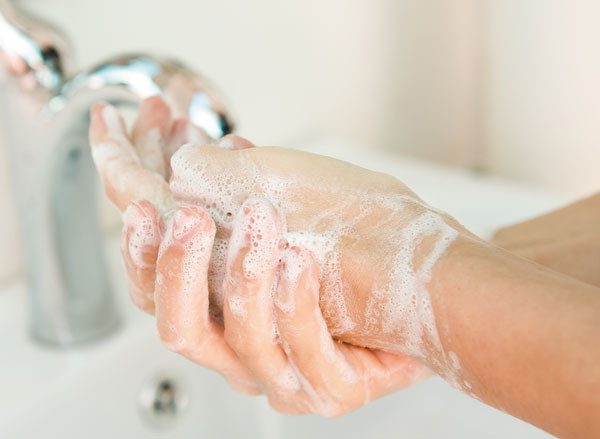
Some simple preventive measures can keep antibiotic-resistant bacteria at bay.
Image: hxdbzxy /Thinkstock
Although the Zika virus got more publicity throughout the summer, another—and even scarier-sounding—microbe also made headlines. Dubbed a new "superbug," strains of E. coli resistant to the antibiotic colistin were found in the United States. Colistin is a drug often used when others fail to control a bacterial infection. Fortunately, the bacteria weren't resistant to other antibiotics, which cleared the infections. "Although this particular case of antibiotic resistance may not be as dire as the media made it sound, in general these increasingly high-level resistances are an enormous problem," says Dr. Sarah Fortune, professor of immunology and infectious diseases at Harvard T.H. Chan School of Public Health.
Why superbugs are such a problem
Like other forms of life, bacteria are always evolving to become stronger and survive longer. One of the ways they increase their chances of survival is to acquire genes that help them resist threats—including natural enemies like viruses and man-made weapons like antibiotics. These genes can spring up within a bacterium through mutations and are passed down to subsequent generations of the microbe. In addition, they can be found on rings of DNA called plasmids, which can be transmitted to other types of bacteria, enabling the resistance to spread wider and faster. The E. coli strains discovered in 2016 raised concern because they carry the colistin-resistance gene on plasmids and thus have the potential to transfer the plasmids to bacteria that are already resistant to several other antibiotics.



Can I take an expired medication?
Most drugs remain potent after their expiration dates. You may want to move it to the refrigerator, though, because drugs stored in cool temperatures usually remain potent longer.

Would having stronger core muscles speed my recovery from abdominal surgery?
Strong core muscles and overall fitness are linked to shorter surgical recovery times.
Harvard study: Healthier fats linked to longer life after prostate cancer diagnosis
Shingrix shingles vaccine linked with lower heart disease risks
Estrogen-only hormone therapy tied to lower dementia risk
Should you have a hysterectomy?
Stair climbing may significantly lower cardiovascular risks
Why do I sweat so much?
Walking pneumonia: The "mild" illness that can still pack a punch
What causes knee pain: How doctors make a diagnosis
Sacroiliac joint pain: Causes, symptoms, and exercises that help
Where you carry excess weight matters in predicting heart disease risk
Free Healthbeat Signup
Get the latest in health news delivered to your inbox!
Sign Up
