

Naturally gluten-free foods

Harvard study: Healthier fats linked to longer life after prostate cancer diagnosis

Shingrix shingles vaccine linked with lower heart disease risks

Estrogen-only hormone therapy tied to lower dementia risk

Should you have a hysterectomy?

Stair climbing may significantly lower cardiovascular risks

Why do I sweat so much?

Walking pneumonia: The "mild" illness that can still pack a punch

What causes knee pain: How doctors make a diagnosis

Where you carry excess weight matters in predicting heart disease risk
Preventive care Archive
Articles

What's the future of remote patient monitoring?
The miniaturization of electronics is leading to the development of next-generation devices to monitor health. People today are using various devices (typically smart watches) to measure their heart rate, the regularity of their heart rhythm, the quality of their sleep, their body temperature, and the levels of oxygen and sugar in their blood. And scientists are working on other devices—such as a thin strip of material that is pasted onto the skin—to constantly measure blood pressure, organ function, or certain body chemicals.

Cold-weather cautions
Wintertime can pose challenges to cardiovascular health. Cold temperatures can cause arteries to narrow, which can leave people with heart disease vulnerable to angina or heart attacks, especially during physical exertion. Changes in sleep, eating, and exercise habits related to the season may also affect the heart. Crowded indoor gatherings also raise a person's risk for respiratory infections, which can exacerbate heart disease.
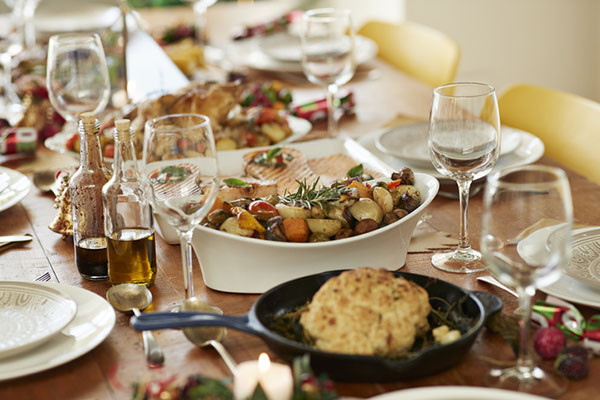
Want to stay healthy over the holidays?
Another holiday season is here, and this year we need to contend with other viruses besides COVID-19. Three Harvard experts share their thoughts on the best ways to keep ourselves and our family members healthy as we celebrate holidays together.

When replenishing fluids, does milk beat water?
An ad campaign sponsored by the milk industry claims that milk is better than water for hydration. A few studies appear to support the claim, but they involved a small number of subjects and have important limitations.

Respiratory health harms often follow flooding: Taking these steps can help
Flooding due to major storms or heavy rains can harm lung health, both from toxic contaminants that end up in the air and from the growth of mold caused by dampness. Taking steps to prevent flooding when possible and moving quickly to reduce health risks if flooding occurs can help protect your family's health.

Does your health monitor have device bias?
The accuracy of health monitoring devices available to consumers varies, and in some instances skin tone may make a difference –– a problem called device bias. Yet proper function of such devices can have significant implications for the health of those using them.

Busier equals better for physical activity levels
A 2022 study found that older adults who visited more places each day, such as when shopping or doing errands, logged higher step counts. The results suggest the number of places we visit daily may contribute to healthier habits, researchers said.

High blood pressure linked to severe COVID despite vaccination
A 2022 study found that high blood pressure more than doubled the risk of being hospitalized from an Omicron-variant COVID-19 infection regardless of full vaccination, including a booster dose of an mRNA vaccine.

You don't say? A matter of taste
After age 50, the number of taste buds begins to decline, so it's natural for people to notice some changes in their sense of taste. But other conditions also can affect taste, such as nasal issues, certain medications, and conditions like dry mouth and acid reflux.
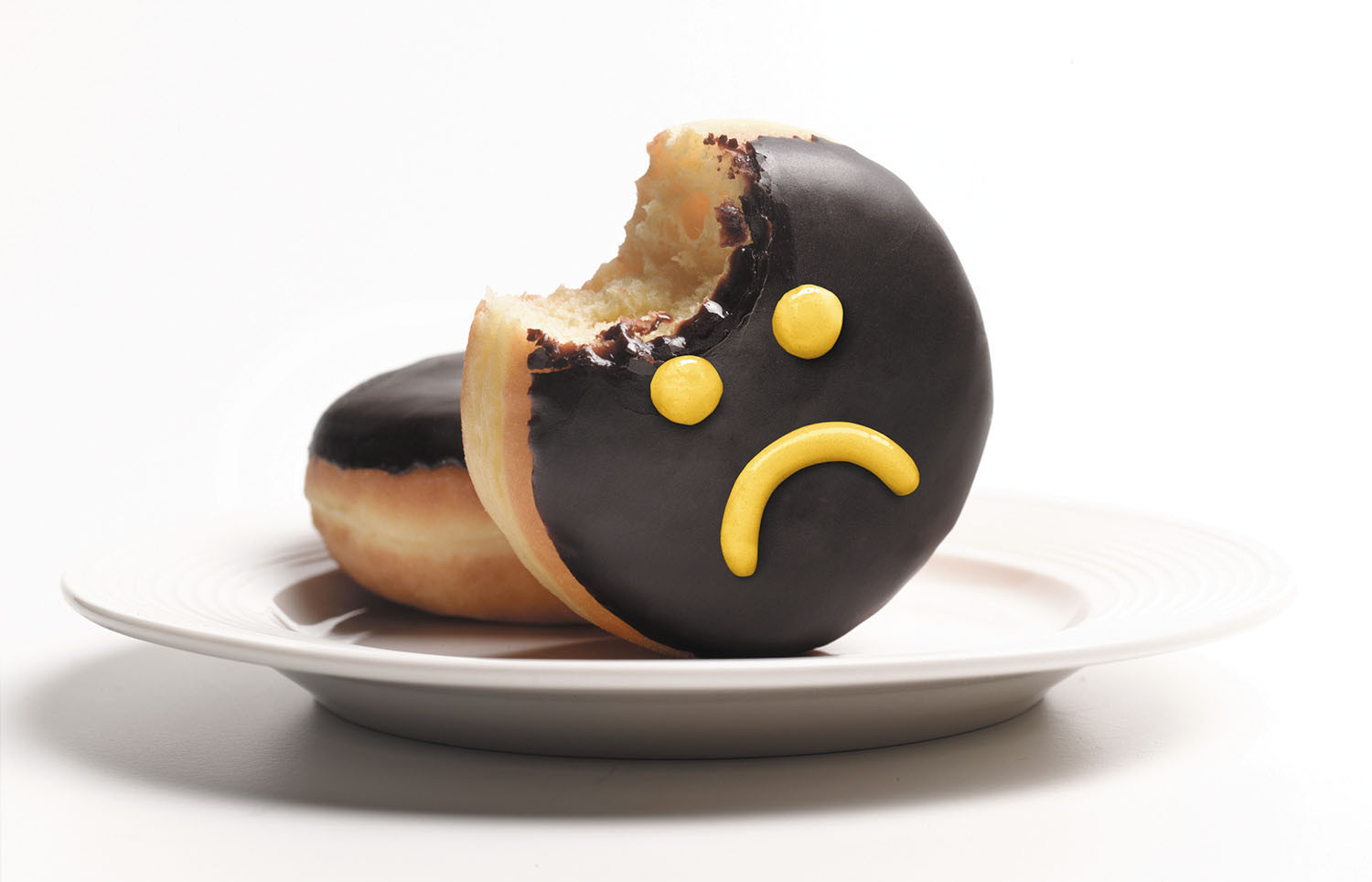
Cutting back on ultra-processed foods linked with lower dementia risk
People who ate large amounts of ultra-processed foods had a greater risk of later developing dementia compared with people who ate little of these foods, according to a 2022 study. Researchers estimated that switching out even 10% of ultra-processed foods for healthier options might lower one's risk.
Naturally gluten-free foods
Harvard study: Healthier fats linked to longer life after prostate cancer diagnosis
Shingrix shingles vaccine linked with lower heart disease risks
Estrogen-only hormone therapy tied to lower dementia risk
Should you have a hysterectomy?
Stair climbing may significantly lower cardiovascular risks
Why do I sweat so much?
Walking pneumonia: The "mild" illness that can still pack a punch
What causes knee pain: How doctors make a diagnosis
Where you carry excess weight matters in predicting heart disease risk
Free Healthbeat Signup
Get the latest in health news delivered to your inbox!
Sign Up
