

CoQ10: Should you take this popular supplement if you're on a statin?

Oat vs. dairy milk: Nutrition, benefits, and downsides

Microplastics: A hidden health threat?

Healing after food poisoning

What is tempeh? Benefits, nutrition, and how to use it

Light exposure at night may raise risk for heart disease

Whole grains may improve several heart risk factors at once

A lumbar belt may help ease low back pain

Children of centenarians may stay healthier and live longer too, study finds

Signs of pneumonia: Sometimes vague and unexpected
Positive Psychology Archive
Articles

Try this: Light therapy
Light therapy uses light boxes that emit a bright, white light. Exposure to this light can control a person's circadian rhythm-the body's internal 24-hour sleep-wake clock-and help manage and prevent seasonal affective disorder.

Dogs and cats may slow cognitive decline
A 2025 study suggests that owning a dog or cat may help slow cognitive decline as people age.

Several risk factors in midlife may lead to dementia
Researchers have found that high blood pressure, diabetes, and smoking had the greatest association with the likelihood of a dementia diagnosis as people age. Managing these issues could offer protection.
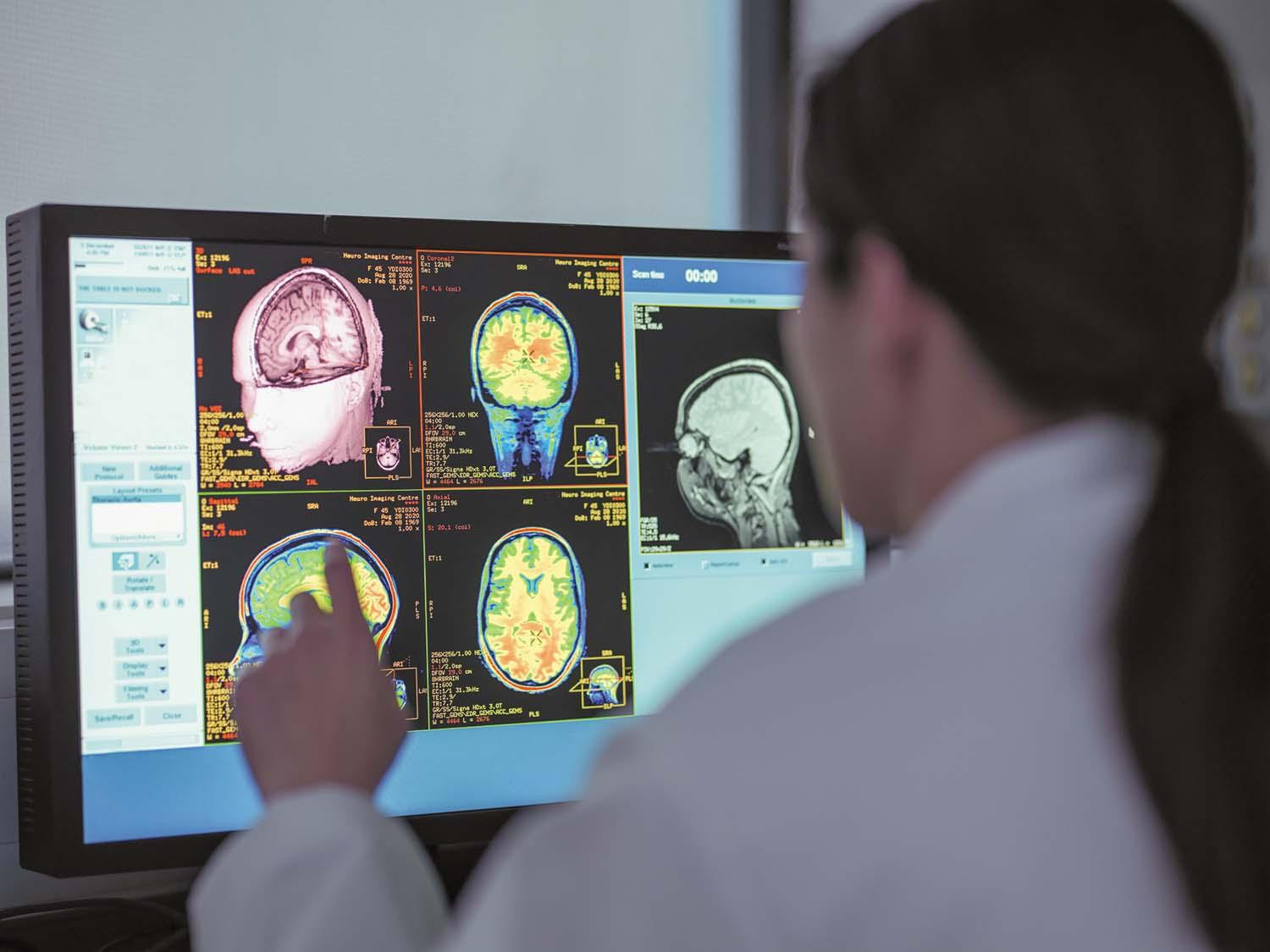
Can our brain talk to our immune system?
A 2025 study of 250 people found that the brain can tell the immune system to prepare for impending infection even before a microbe enters the body. Scientists asked volunteers to don virtual reality headsets that showed various virtual people approaching them. Some of those approaching appeared to be healthy and others appeared to be sick. Brain scans and blood tests showed that participants' brains activated their immune systems when a virtual sick person simply came near them.

Peace of mind, or panic?
The vast majority of older adults would want to know if they're in the early stages of Alzheimer's disease and would want a blood test to learn for certain, according to a 2025 poll. Advances in testing and treatment may fuel this desire for knowledge. There are pros and cons to knowing this information. People with an early Alzheimer's diagnosis can plan ahead, seek support, and may feel motivated to maintain their health. But the diagnosis may jeopardize their job or insurance coverage, as well as trigger anxiety or depression.
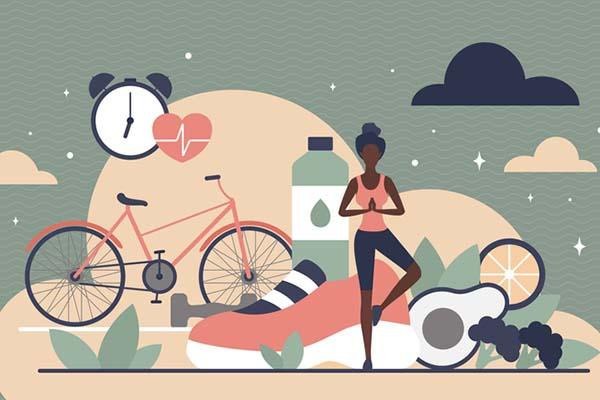
5 timeless habits for better health
Influencers, news headlines, and well-meaning friends and family offer conflicting advice on wellness. Quick fixes and fads may do little for our health, and some even prove harmful. Try to work these five simple habits that can boost health and wellness into your everyday life.
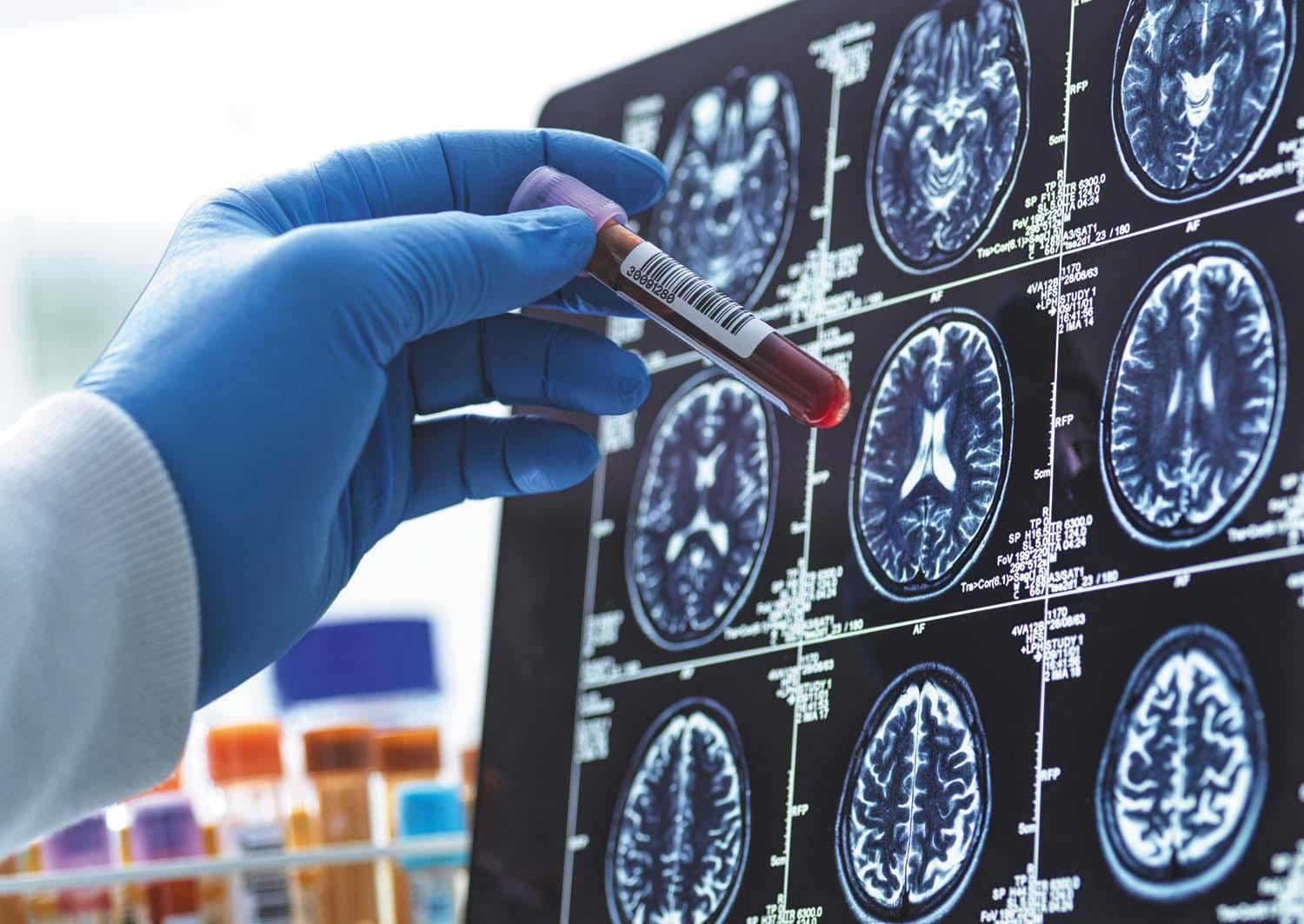
The new Alzheimer's blood test: What it means for diagnosis
In May 2025, the FDA approved the first blood test to detect the early stages of Alzheimer's disease. The test looks for several proteins associated with Alzheimer's disease. About 80% of the time, the blood test is either highly positive or highly negative, a result that's accurate more than 90% of the time. Doctors expect that the test will soon be covered by insurance. If that happens, the test will become the standard of care for people ages 55 and older with Alzheimer's signs or symptoms.

Hidden hurdles to mental health care
A quarter of American adults live with a mental health disorder such as anxiety, depression, obsessive-compulsive disorder, or post-traumatic stress disorder. But more than half don't seek help. Internal and external barriers may stop them from getting the care they need. Internal barriers are emotions or excuses people make to avoid treatment. External barriers include cost or difficulty finding a provider who can meet someone's individual needs. To push past obstacles, people can investigate less-expensive mental health programs or reframe guilt-inducing thoughts.
Stroke odds lower for women with higher brain health scores
A 2025 study suggests that women who score highly on a brain health measurement incorporating physical, lifestyle, social, and emotional factors face lower stroke odds.

Too much sleep may harm cognitive performance
A 2025 study suggests that sleeping nine or more hours nightly is associated with worse cognitive performance, an effect that's stronger among people with symptoms of depression.
CoQ10: Should you take this popular supplement if you're on a statin?
Oat vs. dairy milk: Nutrition, benefits, and downsides
Microplastics: A hidden health threat?
Healing after food poisoning
What is tempeh? Benefits, nutrition, and how to use it
Light exposure at night may raise risk for heart disease
Whole grains may improve several heart risk factors at once
A lumbar belt may help ease low back pain
Children of centenarians may stay healthier and live longer too, study finds
Signs of pneumonia: Sometimes vague and unexpected
Free Healthbeat Signup
Get the latest in health news delivered to your inbox!
Sign Up
