

Naturally gluten-free foods

Harvard study: Healthier fats linked to longer life after prostate cancer diagnosis

Shingrix shingles vaccine linked with lower heart disease risks

Estrogen-only hormone therapy tied to lower dementia risk

Should you have a hysterectomy?

Stair climbing may significantly lower cardiovascular risks

Why do I sweat so much?

Walking pneumonia: The "mild" illness that can still pack a punch

What causes knee pain: How doctors make a diagnosis

Where you carry excess weight matters in predicting heart disease risk
Plant-based eating Archive
Articles


How much meat can you eat
Image: Thinkstock
Ask the doctor
Q Everything I read in Harvard Men's Health Watch about nutrition says to minimize the amount of red meat in my diet. Would it be best if I just gave it up completely? Or is there a safe amount to eat?
A Numerous studies have observed that consuming red meat is associated with diseases such as heart disease or colon cancer. In fact, the World Health Organization recently classified processed and red meats as cancer-causing substances. In most studies, it does appear that the lower your consumption of red meat, the better your health.

Is this eating style good for brain health?
Image: Thinkstock
Ask the doctor
Q. My doctor says the Mediterranean diet is not only good for my health in general, but that it is particularly good for my brain. That got my attention. Anything to it?
A. I think there is. The Mediterranean diet is rich in whole-grain bread, root vegetables, green vegetables, fish, poultry, fruit, and olive oil. It includes relatively little red meat, butter, and other foods rich in saturated fats and trans fats. As is often the case with research into a medical question, not all studies come to the same conclusion. But many studies have found that people who regularly adhere to the Mediterranean diet are less likely to develop Alzheimer's disease. And many studies also find that people with diets rich in saturated fats (including from red meat and processed meat) and trans fats are more likely to develop dementia of some type, along with other brain disease, particularly strokes.

Healthier meals on the go
Yes, you can find convenient fast-cook meals, but you'll have to do your homework.
Image: Thinkstock
Ever notice how nutrition takes a back seat when you're hungry? Packaged and prepared foods somehow don't seem unhealthy when you need a meal in a hurry. But is there such a thing as a nutritious convenience food? "Yes, there are some healthy options out there, but you really have to look for them," says registered dietitian Kathy McManus, director of the Department of Nutrition at Harvard-affiliated Brigham and Women's Hospital.
Typical convenience foods
Packaged, prepared foods come in several forms: boxed, dry goods such as quick-cook pasta and rice mixes; canned foods, such as soup or ravioli; or frozen foods, such as a single frozen dinner or a "family-sized" lasagna.

Sweetened drinks and heart failure
Image: Bigstock
News briefs
Here's another reason to take sweetened drinks out of your diet: a study published online Nov. 2, 2015, by the journal Heart suggests that drinking sweetened beverages each day is linked to an increased risk for heart failure in men. Heart failure is a gradual decline in the heart's ability to pump enough blood to meet the body's needs. Researchers tracked the dietary information of 42,000 middle-aged or older men in Sweden from 1998 to 2010. They made no distinction between types of drinks or how they were sweetened, whether it was with sugar, fructose, or artificial sweetener. However, coffee, tea, and fruit juice were not included in the study. After excluding potentially influential factors, researchers noted that men who drank at least two daily servings of sweetened drinks had a 23% heightened risk of developing heart failure compared with men who didn't drink sweetened beverages. The study didn't prove that sweetened drinks caused heart failure. In fact, the researchers pointed out that drinking a lot of sweetened beverages is usually an indication of a poor diet, which is a risk factor for heart failure in itself. But they also noted that sweetened drinks are associated with obesity and type 2 diabetes, which are risk factors for heart failure, too. Best advice: avoid sweetened beverages or at least limit them to occasional consumption.

The Nordic diet: A northern twist to the Mediterranean diet
Image: iStock
With a focus on whole grains, berries, and fish, Northern European cuisine has some heart-friendly features.
If you've never heard of the Nordic diet, you might imagine a plate of those Swedish meatballs sold at Ikea. In fact, this eating style focuses on healthier fare, including an abundance of the plant-based foods nutritionists always encourage us to eat. And while the data are limited so far, some studies suggest that following a Nordic eating pattern may foster weight loss and lower blood pressure—both of which are good for the heart.
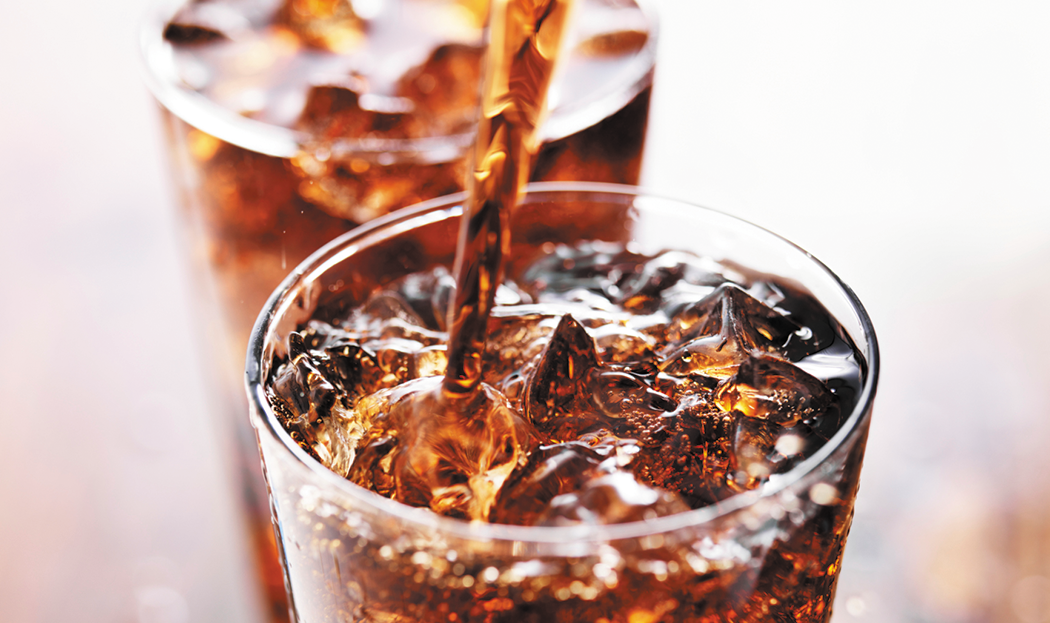
Sugary drinks seem to raise blood pressure
Image: Thinkstock
Research we're watching
Drinking as little as one sugar-sweetened beverage a day is linked to a slightly greater risk of high blood pressure, a new analysis suggests.
Researchers pooled findings from six studies that included a total of more than 240,000 people. They found a 12% higher risk of high blood pressure among people who drank one or more sugary drinks daily compared with those who drank none. Serving sizes of the beverages varied from 7 to 12 ounces among the different studies.



3 health strategies to help you get through the holidays
Image: Thinkstock
Plan now to help prevent overeating, trips to the hospital, and depression.
The winter holidays are supposed to be a joyous time, filled with celebration. But they come with health risks, such as loneliness and depression, overeating, weight gain, falls in icy weather, foodborne illness, and heart problems. Here are ways to protect yourself while enjoying the season.
Naturally gluten-free foods
Harvard study: Healthier fats linked to longer life after prostate cancer diagnosis
Shingrix shingles vaccine linked with lower heart disease risks
Estrogen-only hormone therapy tied to lower dementia risk
Should you have a hysterectomy?
Stair climbing may significantly lower cardiovascular risks
Why do I sweat so much?
Walking pneumonia: The "mild" illness that can still pack a punch
What causes knee pain: How doctors make a diagnosis
Where you carry excess weight matters in predicting heart disease risk
Free Healthbeat Signup
Get the latest in health news delivered to your inbox!
Sign Up
