
Reading the current blood pressure guidelines

Oat vs. dairy milk: Nutrition, benefits, and downsides

Microplastics: A hidden health threat?

Healing after food poisoning

What is tempeh? Benefits, nutrition, and how to use it

Light exposure at night may raise risk for heart disease

Whole grains may improve several heart risk factors at once

A lumbar belt may help ease low back pain

Children of centenarians may stay healthier and live longer too, study finds

Signs of pneumonia: Sometimes vague and unexpected
Physical activity and exercise Archive
Articles

Foot problems? Try these tips to find comfortable shoes
Look for roomy toe boxes, soft inner soles, and sturdy heel counters to give you a better fit and help you stay on the go.
Image: Thinkstock
Bunions, hammertoes, corns, and calluses all make shoe buying a chore. But the wrong shoes can impair your mobility and independence. "Pain from any of those conditions can alter your gait," says Dr. James Ioli, assistant professor of orthopedic surgery at Harvard Medical School.
Corns and calluses
Bunions and hammertoes
A bunion develops at the base of your big toe when two bones no longer connect properly, causing the base to jut out-ward. Some people are genetically vulnerable to getting bunions. However, bunions are more likely to develop in people (often women) wearing shoes that crowd the toes.
Hammertoes are deformed, bent toes that may result from poorly fitting shoes, a ligament problem, or a bunion that pushes one toe over another.
If bunions and hammertoes don't bother you, there's no need to treat them. "I have many patients who are runners with hammertoes and bunions who successfully compete without any trouble. It's all a matter of individual mechanical issues," says Dr. Ioli. If the deformities bother you, surgery to realign the bones is possible, but that is a last resort.
Shoe hunt
Other options
Even a roomy toe box may cause a little friction when you walk. That's when using moleskin pads on your toes or feet can help. These soft pads have an adhesive backing that you attach to an affected foot or toe area, or to the inside of your shoe. It protects against friction. You can find moleskin pads in drugstores. Toe separators can help relieve pain from corns be-tween the toes.
Some shoes are designed specifically to relieve pressure on bunions. You can find them in specialty shoe stores. But prepare to pay more for these kinds of shoes. They typically run $100 to $200 per pair. Are they worth it? "If they relieve pressure points and decrease pain on the bunion or hammertoes or any deformity, that's good," says Dr. Ioli, "but you can find comfortable shoes for less if you do a little detective work."
Figure 1: Finding a comfortable fit for ailing feetWhen shopping for comfy shoes, look for these important features. |


Couch potato in midlife, smaller brain later?
Image: Yuri Arcurs/Thinkstock
News Briefs
Here's something to jolt you off the couch and get you exercising: a study published Feb. 10, 2016, in Neurology links poor fitness levels in middle age to brain shrinkage 20 years later. Researchers, including some from Harvard Medical School, looked at the cardiovascular fitness of about 1,100 people, average age of 40, who were free of dementia and heart disease. The participants had taken treadmill tests to determine their cardiovascular fitness levels based on how much oxygen their bodies used during exercise. About 20 years later, participants took another treadmill test and underwent neuropsychological testing and MRI brain scans. The scans showed that people who were unfit in middle age had smaller brains in older age, compared with people who were fit in middle age. This doesn't prove that inactivity in midlife causes brain shrinkage. But previous studies have shown that regular, moderate-intensity exercise may be associated with slower brain aging.

5 key questions to help you develop a caregiving plan
If you're taking on the role of caregiver for the first time, you probably have many questions: What exactly will it entail? Where can you find help? How do you even start?
When faced with this kind of uncertainty, the best thing you can do for your loved one — and yourself — is to make a caregiving plan. Of course, your loved one's needs may change over time, and you can never plan for every last detail or eventuality. But if you begin by covering the basics, you will have an important foundation to build on later.


8 ways to quell the fire of heartburn
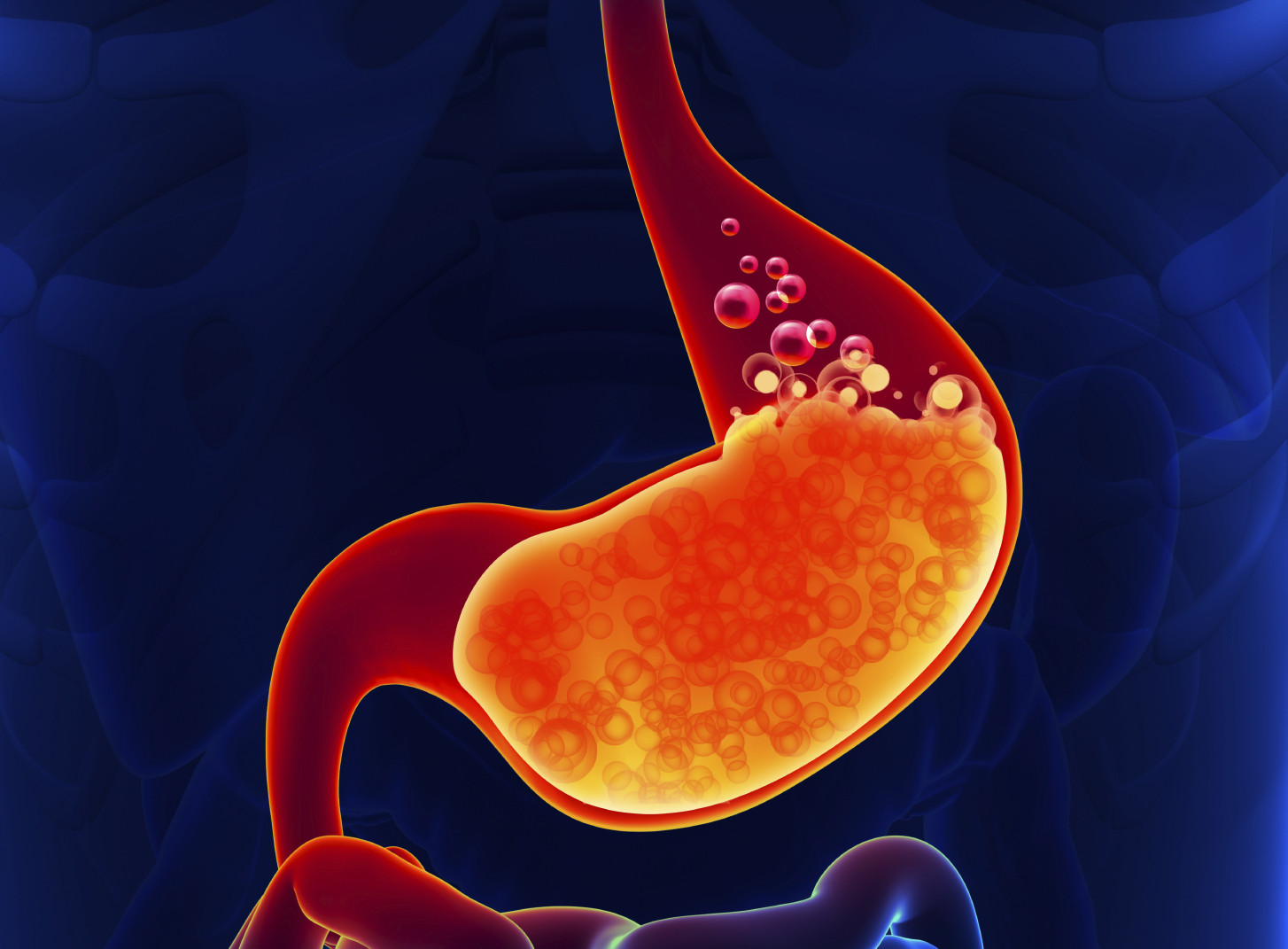
Heartburn is a common problem. It's caused by the backwash of stomach acid into the esophagus, the tube connecting the mouth and stomach. This is formally called gastroesophageal reflux disease (GERD). More than just a minor discomfort, heartburn can significantly reduce quality of life. "Heartburn can cause damage to the esophagus and even increase the risk of cancer if ignored and untreated," says Dr. William Kormos, editor in chief of Harvard Men's Health Watch and a primary care physician at Massachusetts General Hospital.
These eight steps can help ease heartburn.
- Eat in a heartburn-smart way. Large meals put pressure on the muscle that normally helps keep stomach contents from backing up into the esophagus. The more you eat, the longer it takes for the stomach to empty, which contributes to reflux. Try smaller, more frequent meals — and don't wolf down your food.
- Avoid late-night eating. Having a meal or snack within three hours of lying down to sleep can worsen reflux, causing heartburn. Leave enough time for the stomach to clear out.
- Don't exercise right after meals. Give your stomach time to empty; wait a couple of hours. But don't just lie down either, which will worsen reflux.
- Sleep on an incline. Raising your torso up a bit with a wedge-shaped cushion may ease nighttime heartburn. Wedges are available from medical supply companies and some home goods stores. Don't just prop your head and shoulders up with regular pillows — doing so can actually increase pressure on the stomach by curling you up at the waist.
- Identify and avoid foods associated with heartburn. Common offenders include fatty foods, spicy foods, tomatoes, garlic, milk, coffee, tea, cola, peppermint, and chocolate. Carbonated beverages cause belching, which also causes reflux.
- Chew sugarless gum after a meal. Chewing gum promotes salivation, which helps neutralize acid, soothes the esophagus, and washes acid back down to the stomach. But avoid peppermint-flavored gum, which may trigger heartburn more than other flavors.
- Rule out medication side effects. Ask your doctor or pharmacist whether any of the medications you take might cause pain resembling heartburn or contribute to reflux.
- Lose weight if you need to. Being overweight puts more pressure on the stomach and pushes stomach contents into the esophagus. The tight-fitting clothing and belts that come with weight gain may also be a factor.
For more on relieving heartburn and treating a sensitive gut, purchase The Sensitive Gut by Harvard Medical School.

Launch your workout plan: Getting motivated and setting goals
There is no question that regular exercise is essential to good health. That fact alone is enough motivation for some folks. For others, setting meaningful personal goals — whether it's finishing a 10K race or getting back into those jeans you love — and keying into what motivates you can help launch a successful workout program.
Motivation takes many forms, so find the carrot (or stick) that works for you. Maybe you'd like to get ready to tackle new activities, like climbing a towering rock wall, churning through the water during a triathlon, or making it 26.2 miles in a marathon. Perhaps you just hope to feel fit and good about your body. Maybe a friendly bet with a spouse or friend — loser pays for kayaking lessons — or wanting to hold up your end of the bargain with a new exercise partner will do the trick.
Are we prepared for epidemics?
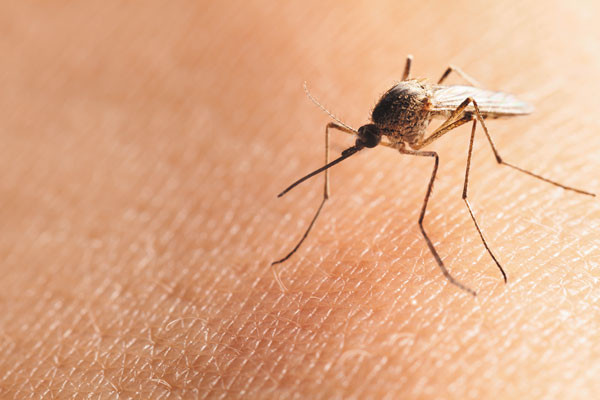
Mosquitoes can transmit many viruses, such as, Zika, West Nile, dengue, and yellow fever.
Image: Thinkstock
Ask the Doctor
Q. Why is it that we suddenly have epidemics of things like Zika virus that we've never heard about, and that we have no treatments or vaccines for? It feels like we should be better prepared than we apparently are. This worries me more than terrorism.

Danger-proof your walking routine
Address vision, hearing, physical, and logistical problems before you head out the door.
Image: Thinkstock
Now that spring is here, you may be going back outside to walk. But don't take your walking routine lightly. While walking is a simple and effective exercise, it can put you at risk for falls and other injuries. As a result, physical and environmental dangers may turn a walk outside into a trip to the hospital, sabotaging your good intentions to stay healthy. Consider the following hazards and fixes before you start walking.
Hazard: Gait and stability problems
Causes: Back, hip, knee, ankle, or foot pain; muscle weakness; imbalance from neurological conditions such as Parkinson's disease; dizziness from inner ear conditions; vision problems; or a combination of these.
Reading the current blood pressure guidelines
Oat vs. dairy milk: Nutrition, benefits, and downsides
Microplastics: A hidden health threat?
Healing after food poisoning
What is tempeh? Benefits, nutrition, and how to use it
Light exposure at night may raise risk for heart disease
Whole grains may improve several heart risk factors at once
A lumbar belt may help ease low back pain
Children of centenarians may stay healthier and live longer too, study finds
Signs of pneumonia: Sometimes vague and unexpected
Free Healthbeat Signup
Get the latest in health news delivered to your inbox!
Sign Up
