

CoQ10: Should you take this popular supplement if you're on a statin?

Oat vs. dairy milk: Nutrition, benefits, and downsides

Microplastics: A hidden health threat?

Healing after food poisoning

What is tempeh? Benefits, nutrition, and how to use it

Light exposure at night may raise risk for heart disease

Whole grains may improve several heart risk factors at once

A lumbar belt may help ease low back pain

Children of centenarians may stay healthier and live longer too, study finds

Signs of pneumonia: Sometimes vague and unexpected
Pain relief Archive
Articles
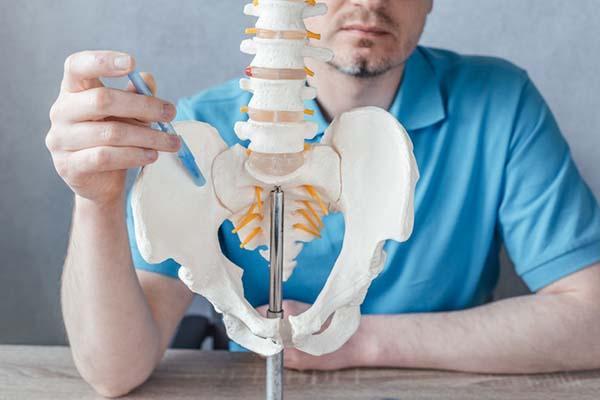
Sacroiliac joint pain: Causes, symptoms, and exercises that help
Sacroiliac joint pain is felt in the lower back and buttocks, usually on one side of the body. The cause is often not known. Common treatments include physical therapy, bracing, steroid injections, and radiofrequency ablation.
Migraine: How it's diagnosed and what that means
Migraine can’t be diagnosed using a blood test, imaging scan, or biopsy. Rather, doctors typically diagnose this headache disorder solely through a person’s reported symptoms (including how often they occur and how long they last), triggers, and a family history of migraine.
Does caffeine help ease headaches — or does it cause them?
Caffeine is likely to help prevent or dull headaches when it’s used consistently and in moderation. For most adults, moderation means the amount in about one to two cups of coffee a day.
Could hand and foot cramps be related to your menstrual cycle?
Severe cramps in your hands and feet may follow a pattern linked to your menstrual cycle, raising questions about causes, relief and prevention.

Which specialist should you see for suspected thoracic outlet syndrome?
Suspected thoracic outlet syndrome can resemble other conditions, so careful evaluation helps determine which specialist and treatment are appropriate.

Self-directed cognitive behavioral therapy may help alleviate chronic pain
A 2026 study of adults with chronic musculoskeletal pain found that a largely self-directed cognitive behavioral therapy (CBT) program was slightly more effective than traditional clinician-delivered CBT in relieving chronic pain.
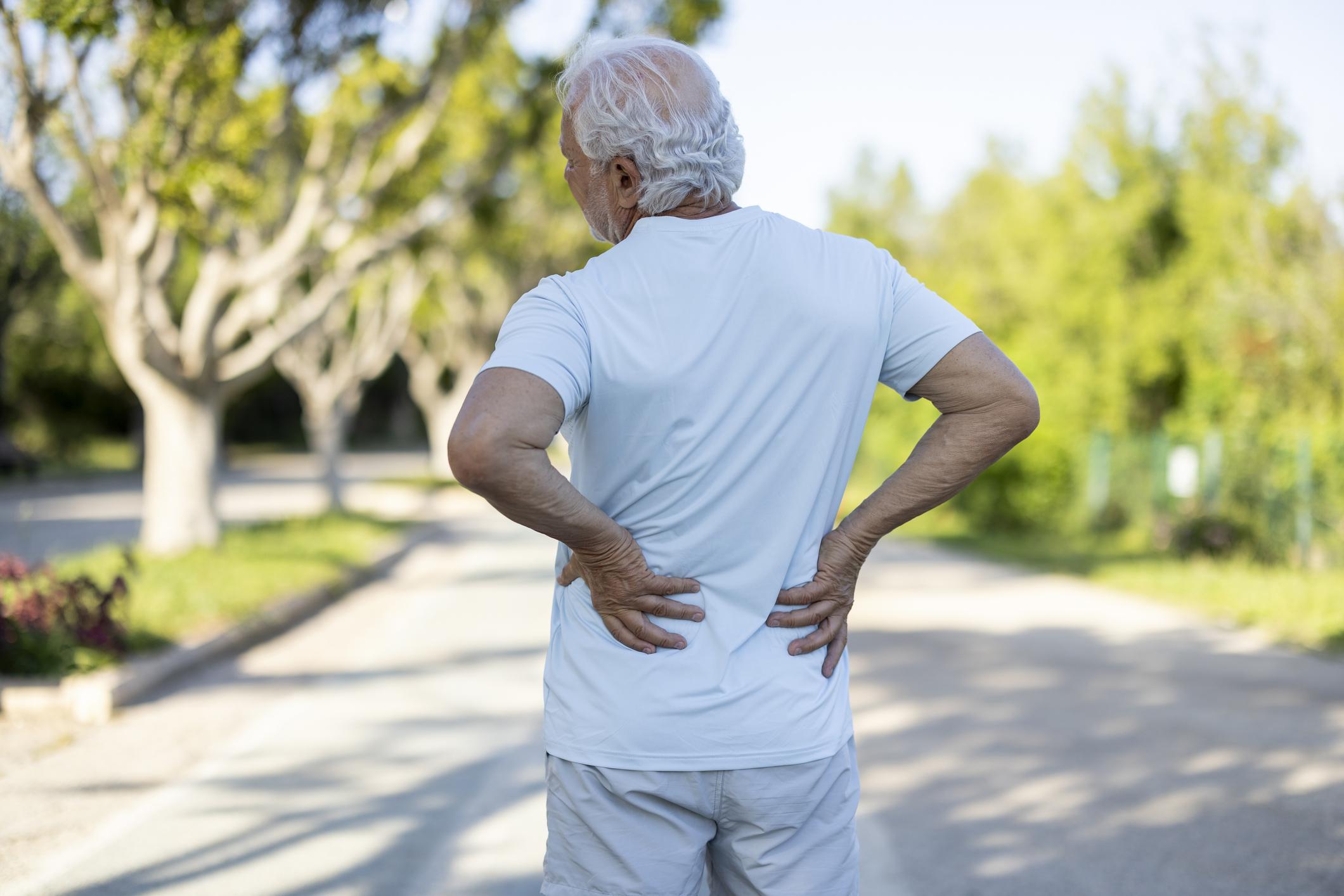
Sciatica 101 Quiz: How much do you really know?
How much do you really know about sciatica—the type of back and leg pain that can stop you in your tracks? Many people live with aches, tingling, or shooting pain down the leg without fully understanding what’s behind it, how it’s treated, or when it’s time to call a doctor.
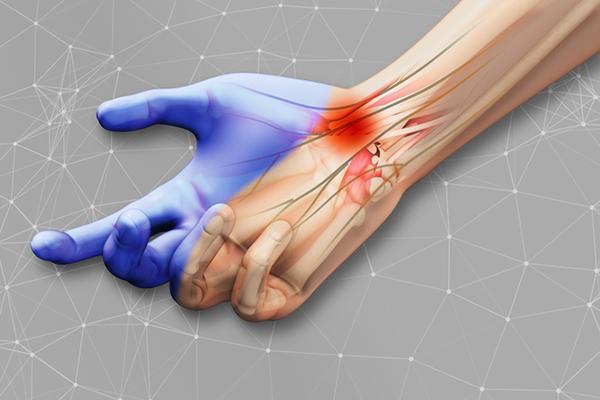
What's the best treatment for carpal tunnel syndrome?
Carpal tunnel syndrome, caused by compression of the median nerve in the wrist, is felt as numbness, tingling, and burning in the fingers, often at night. Early treatment with a wrist splint, ergonomic changes to keep the wrist in a straight position, and exercises can alleviate symptoms.

Are fibromyalgia and irritable bowel syndrome linked?
Many people live with both IBS and fibromyalgia, facing gut issues plus ongoing pain and fatigue. Doctors suspect a connection, but it’s not yet clear how the two are linked.
CoQ10: Should you take this popular supplement if you're on a statin?
Oat vs. dairy milk: Nutrition, benefits, and downsides
Microplastics: A hidden health threat?
Healing after food poisoning
What is tempeh? Benefits, nutrition, and how to use it
Light exposure at night may raise risk for heart disease
Whole grains may improve several heart risk factors at once
A lumbar belt may help ease low back pain
Children of centenarians may stay healthier and live longer too, study finds
Signs of pneumonia: Sometimes vague and unexpected
Free Healthbeat Signup
Get the latest in health news delivered to your inbox!
Sign Up
