
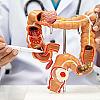
Study: At-home colorectal cancer screening may significantly cut colon cancer deaths

Where you carry excess weight matters in predicting heart disease risk

Tai chi walking: What is it and does it work?

Fatty liver disease: Should you be tested?

Weight-loss drug may lower risk of heart attacks and infections

Testosterone therapy without evidence of deficiency may boost heart risk

Even a little exercise linked with lower stroke risk in people with afib

Antihistamines may not offer meaningful relief from eczema symptoms

FDA approves first mRNA-based flu vaccine

Migraine: How it's diagnosed and what that means
Obesity Archive
Articles

What is a silent stroke?
Most strokes are caused by a clot that blocks a blood vessel in the brain. Those that damage small areas of brain tissue that don't control any vital functions are known as silent strokes because they don't cause any noticeable symptoms.

When walking leads to leg pain
Peripheral artery disease (PAD), which occurs when fatty deposits clog arteries outside the heart, is underrecognized and potentially dangerous. The hallmark symptom is leg pain that occurs with exercise, called intermittent claudication. PAD is more common among people who are older, who smoke, and who have diabetes. The recommended treatment involves short periods of walking interspersed with rest periods when pain occurs. Walking increases blood flow in the leg's smaller arteries and helps create new channels to move blood around the blockages; it also helps discourage new blockages.

Harvard study: Ditching sugary drinks tied to reduced diabetes complications
A 2023 study shows that avoiding sugary drinks is linked to dramatically lower risks for cardiovascular disease and early death in people who have diabetes. Drinking artificially sweetened beverages in lieu of sugary drinks was also associated with lower risks.

Heart failure risk in people with diabetes who take certain pain relievers
People with diabetes who take pain relievers known as nonsteroidal anti-inflammatory drugs (NSAIDs) may be at higher risk of heart failure, according to a 2023 study. NSAIDs include ibuprofen, which is sold over the counter as Advil and Motrin.

A hot weather plan is essential to staying healthy
High temperatures stress the body, leading to thousands of heat-related illnesses and deaths every year in the US. Learn when hot weather becomes dangerous and how to create your own hot weather safety plan.

The high cost of a poor diet
What people choose to eat has a big impact on their cardiovascular health. The dietary habits of the nation as a whole also have a major effect on the country's economic health. About 45% of the costs associated with heart disease, stroke, and diabetes is related to unhealthy diets. The dietary habits that appear to have the biggest effect are not eating enough nuts, seeds, and seafood omega-3 fatty acids. Among foods to avoid, sugary beverages and processed meats seem to contribute the most to higher costs. Each year, unhealthy diets cost the United States an average of about $300 per person in medical costs, which translates to $50 billion nationwide.

Sugar's not-so-sweet effects on the heart
A sugary diet contributes to weight gain and other factors that boost heart disease risk, including inflammation, disrupted blood sugar control, and increased cholesterol. The typical American diet is very high in added sugar, nearly half of which comes from sugar-sweetened beverages. Another 30% comes from baked goods such as cookies, brownies, cakes, pies, doughnuts, sweet rolls, and pastries. People don't need to completely give up sweet treats but should enjoy them just once or twice a week rather than daily.

5 things to know about your morning cup of joe
A recent review found not only that coffee won't harm cardiovascular health or raise the risk of cancer, but it may actually have some health benefits. These include a lower risk of diabetes, and certain cancers, such as liver, and endometrial cancer. Many of these benefits may come from plant chemicals found in coffee.

A silent condition may be taking a toll on your health
Prediabetes is a common condition, and often goes undetected. People with this condition have a number of health risks, including a greater chance of suffering a heart attack or stroke. In addition, they are more likely to develop diabetes, which can lead to additional health problems, such as kidney disease and a higher rate of infection. Testing for prediabetes can find the condition early and potentially prevent it from progressing to diabetes.

How super are "superfoods"?
Certain fruits, vegetables, nuts, and seeds have been labeled "superfoods" because, compared with other foods, they have higher amounts of certain vitamins and minerals and powerful antioxidants. They often are associated with combating high blood pressure, diabetes, heart disease, and even some cancers. But instead of focusing on eating more of individual foods, experts suggest building "superplates" that include a variety of superfoods.
Study: At-home colorectal cancer screening may significantly cut colon cancer deaths
Where you carry excess weight matters in predicting heart disease risk
Tai chi walking: What is it and does it work?
Fatty liver disease: Should you be tested?
Weight-loss drug may lower risk of heart attacks and infections
Testosterone therapy without evidence of deficiency may boost heart risk
Even a little exercise linked with lower stroke risk in people with afib
Antihistamines may not offer meaningful relief from eczema symptoms
FDA approves first mRNA-based flu vaccine
Migraine: How it's diagnosed and what that means
Free Healthbeat Signup
Get the latest in health news delivered to your inbox!
Sign Up
