

Study: At-home colorectal cancer screening may significantly cut colon cancer deaths

Tai chi walking: What is it and does it work?

Fatty liver disease: Should you be tested?

Weight-loss drug may lower risk of heart attacks and infections

Testosterone therapy without evidence of deficiency may boost heart risk

Even a little exercise linked with lower stroke risk in people with afib

Antihistamines may not offer meaningful relief from eczema symptoms

What to eat on the DASH diet

FDA approves first mRNA-based flu vaccine

Migraine: How it's diagnosed and what that means
Obesity Archive
Articles
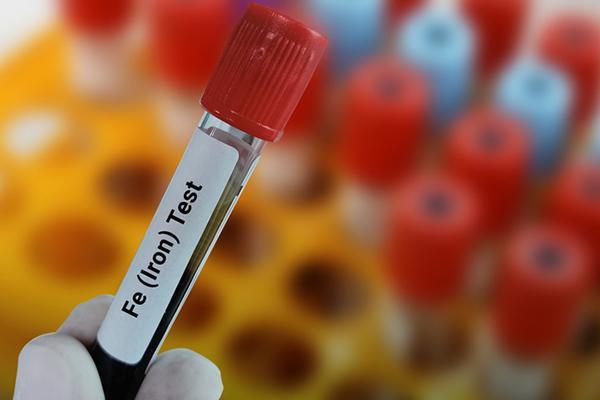
What does it mean if I have a high level of iron in my blood?
Elevated blood iron can result from supplements, genetic disorders, liver disease, or transfusions. Learn what doctors check next and common ways to reduce it.

Continuous glucose monitors: New guidelines recommend expanding CGM use for people with diabetes
The latest diabetes guidelines now recommend continuous glucose monitors for many people with type 2 diabetes. The real-time data from these devices may help reduce heart-related risks in people with diabetes by helping to reduce blood sugar, cholesterol, blood pressure and body weight.

The sweet danger of sugar
People consume too much added sugar — extra amounts that food manufacturers add to products to increase flavor and extend shelf life — which can have a serious impact on heart health.

Can lifestyle changes reverse fatty liver disease?
A new fatty liver diagnosis can be a wake-up call. Explore how diet, exercise, weight loss, and cutting alcohol may help protect your liver.

Could frequent hunger and dizziness be signs of low blood sugar?
Unexplained weight loss, frequent hunger, and feeling shaky or ill between meals may signal blood sugar swings that deserve a closer look.
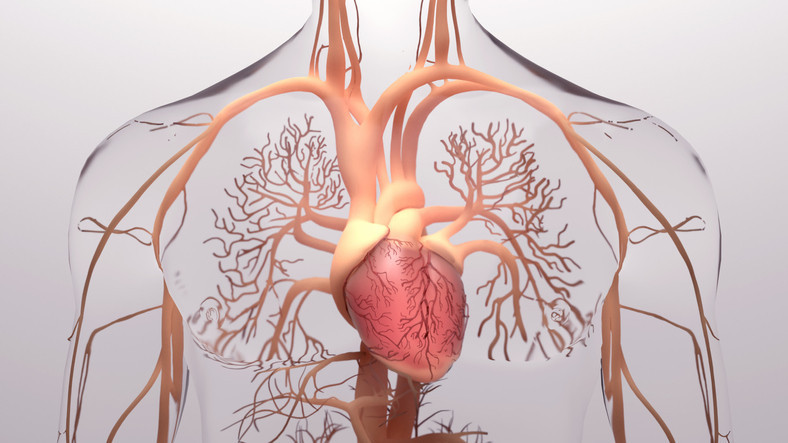
How good is your cardiometabolic health - and what is that, anyway?
An analysis shows less than 7% of adults in the US meet the criteria for optimal cardiometabolic health. Taking small steps to help control and improve key risk factors can reduce the odds of a heart attack or stroke.
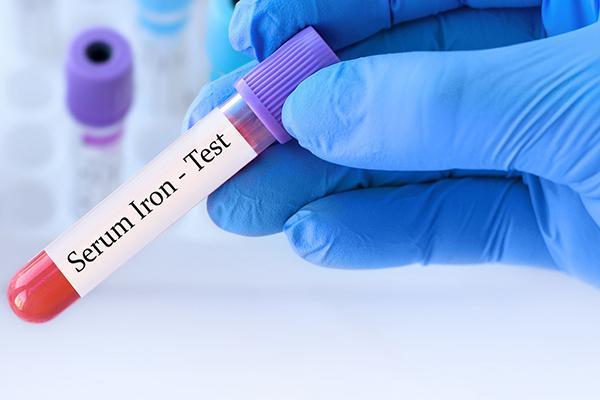
I have a high iron blood level. What does that mean?
A single high iron result doesn't always equal iron overload. Learn which follow‑up tests matter and when changing what you eat might help.
What's the connection between an underactive thyroid, cholesterol, and blood sugar levels?
Low thyroid hormone can quietly nudge LDL and glucose in the wrong direction. Learn more about the connection.

Could certain symptoms indicate low blood sugar in someone with type 2 diabetes?
Strict blood sugar targets can raise hypoglycemia risks like falls and confusion. Learn why many experts now favor looser goals for older adults.

Why do I feel low blood sugar symptoms even when my glucose is in the normal range?
Long‑standing, poorly controlled diabetes can shift how your brain senses "low" glucose. Learn why near‑normal levels may trigger symptoms.
Study: At-home colorectal cancer screening may significantly cut colon cancer deaths
Tai chi walking: What is it and does it work?
Fatty liver disease: Should you be tested?
Weight-loss drug may lower risk of heart attacks and infections
Testosterone therapy without evidence of deficiency may boost heart risk
Even a little exercise linked with lower stroke risk in people with afib
Antihistamines may not offer meaningful relief from eczema symptoms
What to eat on the DASH diet
FDA approves first mRNA-based flu vaccine
Migraine: How it's diagnosed and what that means
Free Healthbeat Signup
Get the latest in health news delivered to your inbox!
Sign Up
