Why do I feel low blood sugar symptoms even when my glucose is in the normal range?
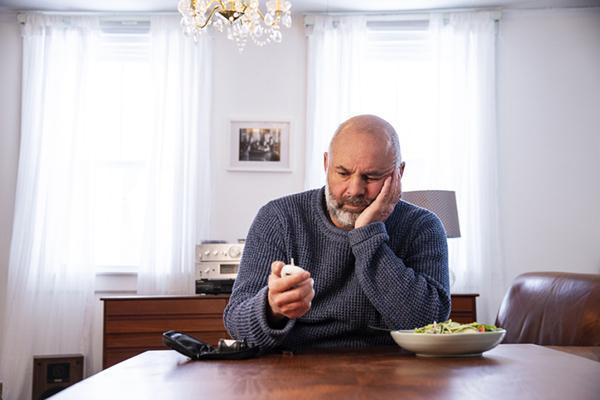
Q. I have had type 1 diabetes for 23 years. The published literature I have read states that ideal blood glucose levels should be between 80 and 120. Why do I feel the symptoms of low blood sugar at 80 to 90 when this is the normal range for a non-diabetic?
A. Some people with diabetes can't comfortably tolerate a glucose level that is at the lower end of the ideal target range. Their bodies react to near-normal blood sugars with an early release of the hormone norepinephrine. And they can have symptoms that are similar to symptoms of hypoglycemia.
In some cases, the actual level of blood sugar that causes alarm symptoms in a person with diabetes can be as many as 20 points higher than the level of low sugar that would cause symptoms in a person without diabetes. Scientists refer to this situation as an altered glycemic threshold. It is more likely to happen when diabetes has been in poor control. Poor control means that blood sugar levels are running much higher than optimal.
Doctors have a theory to explain this problem: brain cells persistently exposed to high glucose levels adjust to their environment and get used to elevated levels. When glucose levels fall significantly, even in a "normal" range, it triggers the same kind of body reactions a person has with true hypoglycemia.
The good news is that this process can be reversed. But it takes time. People who have symptoms when sugars are still in the goal range have been shown to lose these symptoms after their glucose levels have been gradually lowered and their average glucose reaches desirable levels. Doctors measure average blood sugar levels with a test called hemoglobin A1C.
If you have symptoms at "normal" glucose levels, then these lower levels are not ideal for you. Talk with your doctor about a goal customized for your glucose control target range and your hemoglobin A1C level. Your target range should not cause you to have hypoglycemic symptoms.
Image: © Fertnig/Getty Images
About the Author

Howard E. LeWine, MD, Chief Medical Editor, Harvard Health Publishing; Editorial Advisory Board Member, Harvard Health Publishing
Disclaimer:
As a service to our readers, Harvard Health Publishing provides access to our library of archived content. Please note the date of last review or update on all articles.
No content on this site, regardless of date, should ever be used as a substitute for direct medical advice from your doctor or other qualified clinician.