I have a high iron blood level. What does that mean?
Ask the doctor
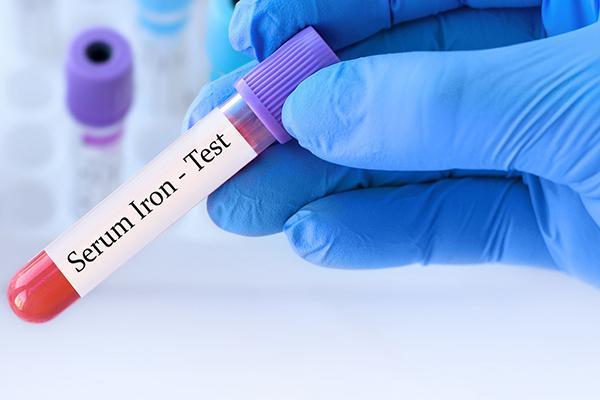
Q. I have a high iron blood level. Should I be on a special diet?
A. Before making any changes in your diet, let's first consider what your high iron level means for you.
The normal range for iron in male adults is 70 to 180 mcg/dL. For women, the normal range is 60 to 170 mcg/dL.
If your level is high, this does not necessarily mean you have too much iron in your body. To know that for sure, you also need to know the results of two other blood tests:
- TIBC (total iron binding capacity): Your iron level divided by your TIBC determines your transferrin saturation. Transferrin is the primary iron binding protein in blood.
- Ferritin (another protein that binds iron).
Ideally, you should do the blood test for iron, TIBC, and ferritin after fasting overnight. Also, if you take an iron supplement, skip it for at least 24 hours before the test. This can cause falsely high readings.
Here is how the two additional blood test results help. If the saturation is greater than 45%, you could have iron overload. It's a condition called hemochromatosis. Almost always, your ferritin level also would be high in this condition (higher than 200 ng/ml in women, 300 ng/ml in men).
There are other reasons for having high levels of iron, ferritin, and transferrin saturation. For example, active liver disease, such as chronic hepatitis from a virus or alcohol use, can raise these numbers into the abnormal range.
Depending on the results of your transferrin saturation and ferritin tests, your doctor will determine if you need further testing for hemochromatosis.
If you do have hemochromatosis, you will want to avoid iron-rich foods. Foods like red meat and liver have the greatest amounts of iron.
Image: © ShyinStas/Getty Images
About the Author

Howard E. LeWine, MD, Chief Medical Editor, Harvard Health Publishing; Editorial Advisory Board Member, Harvard Health Publishing
Disclaimer:
As a service to our readers, Harvard Health Publishing provides access to our library of archived content. Please note the date of last review or update on all articles.
No content on this site, regardless of date, should ever be used as a substitute for direct medical advice from your doctor or other qualified clinician.