Could certain symptoms indicate low blood sugar in someone with type 2 diabetes?
Ask the doctor
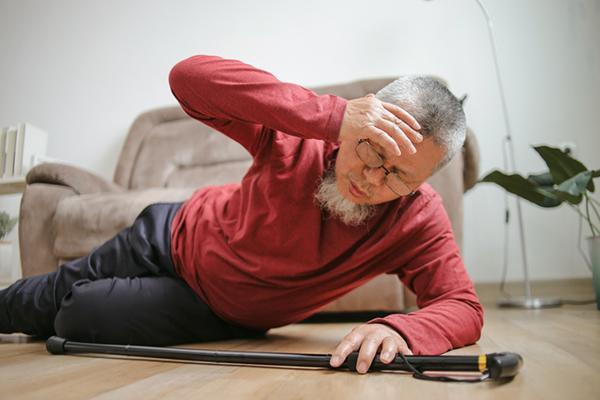
Q. My father has had type 2 diabetes for 20 years. Recently he is having more falls and spells. I worry that his blood sugar might be dropping too low. What do you suggest?
A. Diabetes experts share your concern regarding tight blood sugar control in older people with longstanding type 2 diabetes. That's especially true if they have complications such as kidney problems or nerve damage and additional medical conditions.
Older, less healthy adults with diabetes are much less likely than younger adults to get any benefit from tight blood sugar control. Health benefits from tight control come many years later.
But the dangers of low blood sugar (hypoglycemia) start happening right away. Those dangers include falls, fractures, head injuries, and potential problems with memory and thinking if hypoglycemia happens often.
Aiming for tight blood sugar control makes sense for almost everyone when they are first diagnosed with type 2 diabetes. However, for older people with diabetes like your father, a more modest goal may make more sense.
Moderate control means an average blood sugar between 150 and 200 milligrams per deciliter or a blood hemoglobin A1C level between 7.0% and 8.9%. The A1C level reflects blood sugar control over the prior three months.
When drug treatment is needed for blood sugar control, the best first choice is metformin. It does not cause hypoglycemia. It is available as a generic, so the cost is reasonable.
The two drug classes that are most likely to cause hypoglycemia are the insulins and the sulfonylureas. Examples of sulfonylureas include glipizide, glyburide, and glimepiride.
Your father may be taking more diabetes medicine than he currently needs. He should make an appointment with his doctor to discuss if changing medicine or reducing the doses would be safe for him.
Also, your father should make sure he understands what to do with his medicines if he should feel sick and cannot eat. He likely will need to lower or skip a dose. For older people with longstanding diabetes, a blood sugar that is a bit high generally is less dangerous than a very low blood sugar.
Image: © Rani Nurlaela Desandi/Getty Images
About the Author

Howard E. LeWine, MD, Chief Medical Editor, Harvard Health Publishing; Editorial Advisory Board Member, Harvard Health Publishing
Disclaimer:
As a service to our readers, Harvard Health Publishing provides access to our library of archived content. Please note the date of last review or update on all articles.
No content on this site, regardless of date, should ever be used as a substitute for direct medical advice from your doctor or other qualified clinician.