

Even a little exercise linked with lower stroke risk in people with afib

Testosterone therapy without evidence of deficiency may boost heart risk

Weight-loss drug may lower risk of heart attacks and infections

What to eat on the DASH diet

Migraine: How it's diagnosed and what that means

Tricep workouts you can do at home

Mindfulness practices to reduce stress and improve focus

Antihistamines may not offer meaningful relief from eczema symptoms

Overweight and taking blood pressure medications: Study finds it's a trend that's working

FDA approves first mRNA-based flu vaccine
Mind & Mood Archive
Articles
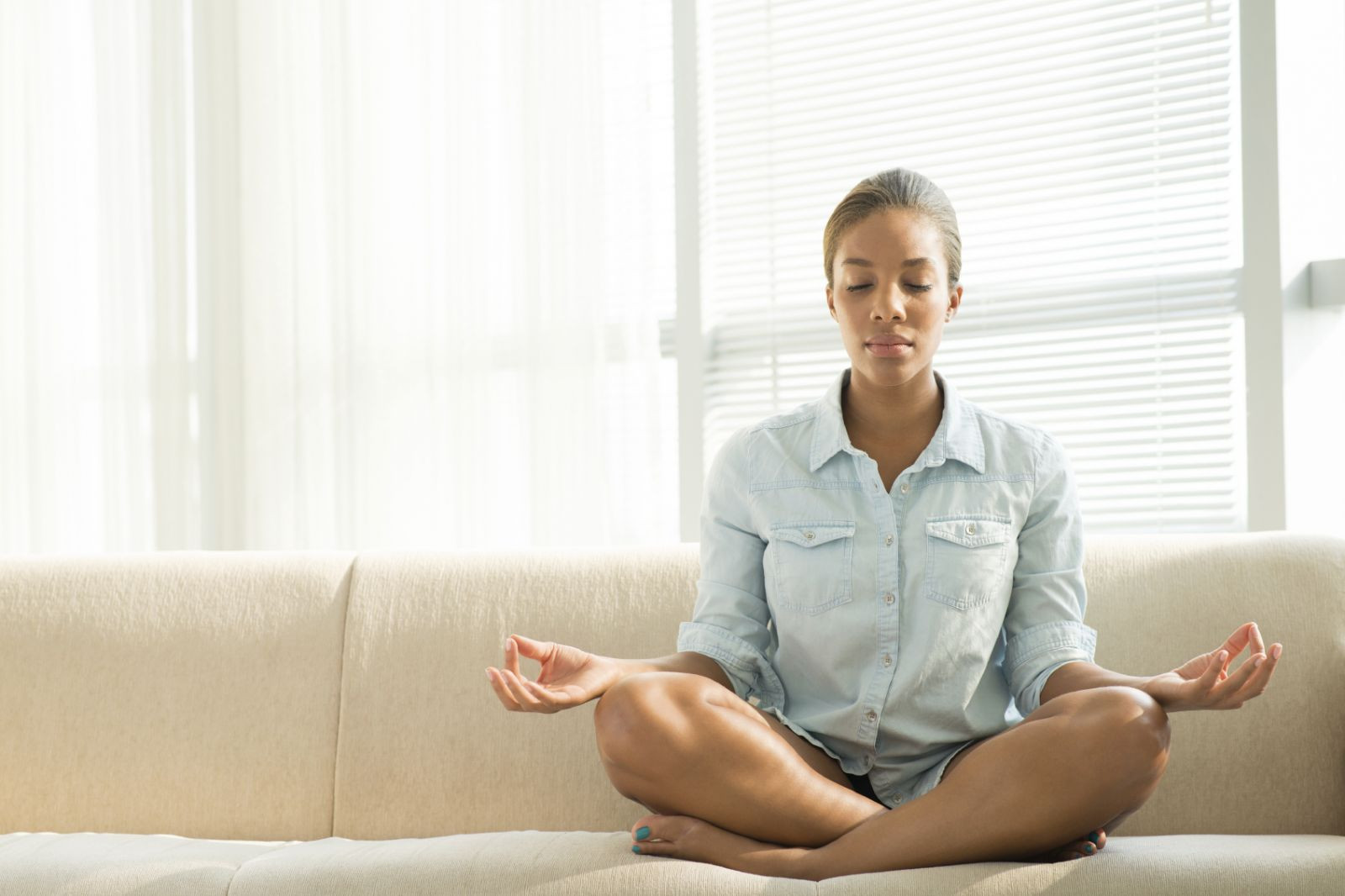
Take a moment to be mindful
Mindfulness is the practice of purposely focusing your attention on the present moment, such as how the air smells and feels as you walk your dog, or how a bite of bread tastes with dinner. The ultimate goal is to help shift your thoughts away from your usual preoccupations toward an appreciation of the moment and a larger perspective on life.
Scientific examination of mindfulness shows that it can improve both physical and psychological symptoms and create positive changes in health attitudes and behaviors.

Leverage your strengths for a more positive life
Strengths are built-in capacities for certain thoughts, feelings, and behaviors. Everyone has these capacities to one degree or another. Your particular pattern of strengths is part of what makes you unique.
When you play from your strengths, you are likely to feel more energetic and perform better than when you are trying to use a capacity that comes less naturally. For example, one person trying to influence a local school board to ban soft drink sales might have the strength to speak up forcefully and clearly at a general meeting (despite the almost-universal fear of public speaking). Another person strong in team-building might feel uncomfortable speaking out in a meeting but could successfully build consensus among parents, nutritionists, and others to weigh the issue and come to a decision.


The Science of Pain Management - Longwood Seminar
We all experience pain in our lives, but can the cure be worse than the condition? In this seminar, Harvard Medical School experts explore the science of pain, the realities of prescription drug dependence and new discoveries and treatments that may lead to better, safer pain management.
Each spring, Harvard Medical School's Office of Communications and External Relations organizes a series of four free "mini-med school" classes for the general public in the heart of Boston's Longwood Medical Area. At the end of the seminar series, participants who attend three out of the four sessions receive a certificate of completion. Topics are selected for their appeal to a lay audience and have included the human genome, nutrition, sleep dynamics and health care access. Faculty from Harvard Medical School and its affiliate hospitals volunteer their time to present these lectures to the community.
Bridging East and West: New Frontiers in Medicine - Longwood Seminar
Mind-body medicine is providing new models for wellness and therapy by combining conventional and complementary approaches to treatment. At this seminar, a panel of Harvard Medical School faculty will discuss this quickly developing approach that may help shape the future of medicine.
Each spring, Harvard Medical School's Office of Communications and External Relations organizes a series of four free "mini-med school" classes for the general public in the heart of Boston's Longwood Medical Area. At the end of the seminar series, participants who attend three out of the four sessions receive a certificate of completion. Topics are selected for their appeal to a lay audience and have included the human genome, nutrition, sleep dynamics and health care access. Faculty from Harvard Medical School and its affiliate hospitals volunteer their time to present these lectures to the community.

A personalized approach to preventing Alzheimer’s disease
These strategies may offer greater protection.
Image: © shapecharge/Getty Images
While there's no cure for Alzheimer's disease, ongoing research has suggested there may be ways to lower your risk.
"Much of the existing science supports how certain behavioral changes made in middle age can protect people as they grow older," says Dr. Kirk Daffner, director for the Center for Brain/Mind Medicine at Harvard-affiliated Brigham and Women's Hospital. "However, there is evidence that adopting certain healthy lifestyle habits can benefit older adults too."


Anxiety and physical illness
Understanding and treating anxiety can often improve the outcome of chronic disease, such as GI tract problems and heart disease.
With headlines warning us of international terrorism, global warming, and economic uncertainty, we're all likely to be a little more anxious these days. As an everyday emotion, anxiety — the "fight or flight" response — can be a good thing, prompting us to take extra precautions. But when anxiety persists in the absence of a need to fight or flee, it can not only interfere with our daily lives but also undermine our physical health. Evidence suggests that people with anxiety disorders are at greater risk for developing a number of chronic medical conditions. They may also have more severe symptoms and a greater risk of death when they become ill.
The anatomy of anxiety
Anxiety is a reaction to stress that has both psychological and physical features. The feeling is thought to arise in the amygdala, a brain region that governs many intense emotional responses. As neurotransmitters carry the impulse to the sympathetic nervous system, heart and breathing rates increase, muscles tense, and blood flow is diverted from the abdominal organs to the brain. In the short term, anxiety prepares us to confront a crisis by putting the body on alert. But its physical effects can be counterproductive, causing light-headedness, nausea, diarrhea, and frequent urination. And when it persists, anxiety can take a toll on our mental and physical health.

A breathing technique to help you relax
The practice of yoga incorporates many separate breathing techniques (above and beyond the coordinated breathing you do during yoga routines) that can help relax you and release tension. And many of these techniques can be done anytime, anywhere — not just during yoga class.
If you'd like to reap the benefits of these breathing techniques, start with the abdominal breathing technique described below. Once you've mastered abdominal breathing, you can then try others based on the unique benefits that each technique offers.

Should you carry the opioid overdose rescue drug naloxone?
The Surgeon General has issued an advisory recommending that people carry and know how to use naloxone, and although it is an effective treatment for overdose, it does not address the larger issues around the opioid crisis.
Even a little exercise linked with lower stroke risk in people with afib
Testosterone therapy without evidence of deficiency may boost heart risk
Weight-loss drug may lower risk of heart attacks and infections
What to eat on the DASH diet
Migraine: How it's diagnosed and what that means
Tricep workouts you can do at home
Mindfulness practices to reduce stress and improve focus
Antihistamines may not offer meaningful relief from eczema symptoms
Overweight and taking blood pressure medications: Study finds it's a trend that's working
FDA approves first mRNA-based flu vaccine
Free Healthbeat Signup
Get the latest in health news delivered to your inbox!
Sign Up
