

Even a little exercise linked with lower stroke risk in people with afib

Testosterone therapy without evidence of deficiency may boost heart risk

Weight-loss drug may lower risk of heart attacks and infections

What to eat on the DASH diet

Migraine: How it's diagnosed and what that means

Tricep workouts you can do at home

Mindfulness practices to reduce stress and improve focus

Antihistamines may not offer meaningful relief from eczema symptoms

Overweight and taking blood pressure medications: Study finds it's a trend that's working

FDA approves first mRNA-based flu vaccine
Mind & Mood Archive
Articles

Peer support good for the heart
Image: Thinkstock
Research we're watching
Many people know what they need to do to keep their hearts healthy. The challenge is making changes (like exercising regularly and eating more fruits and vegetables) and sticking with them. New research suggests monthly meetings with a group of peers who offer support and encouragement can help.
The study included 543 adults with at least one risk factor for heart disease (being overweight, smoking, being physically inactive, or having high blood pressure). Half were randomly assigned to a self-management control group. The others were placed in teams of 10 for the peer-group interventions. Two peer-elected trained leaders headed each group meeting, which involved role-play, brainstorming, and activities to address emotions, diet, and exercise. The groups met for 60 to 90 minutes monthly for one year.
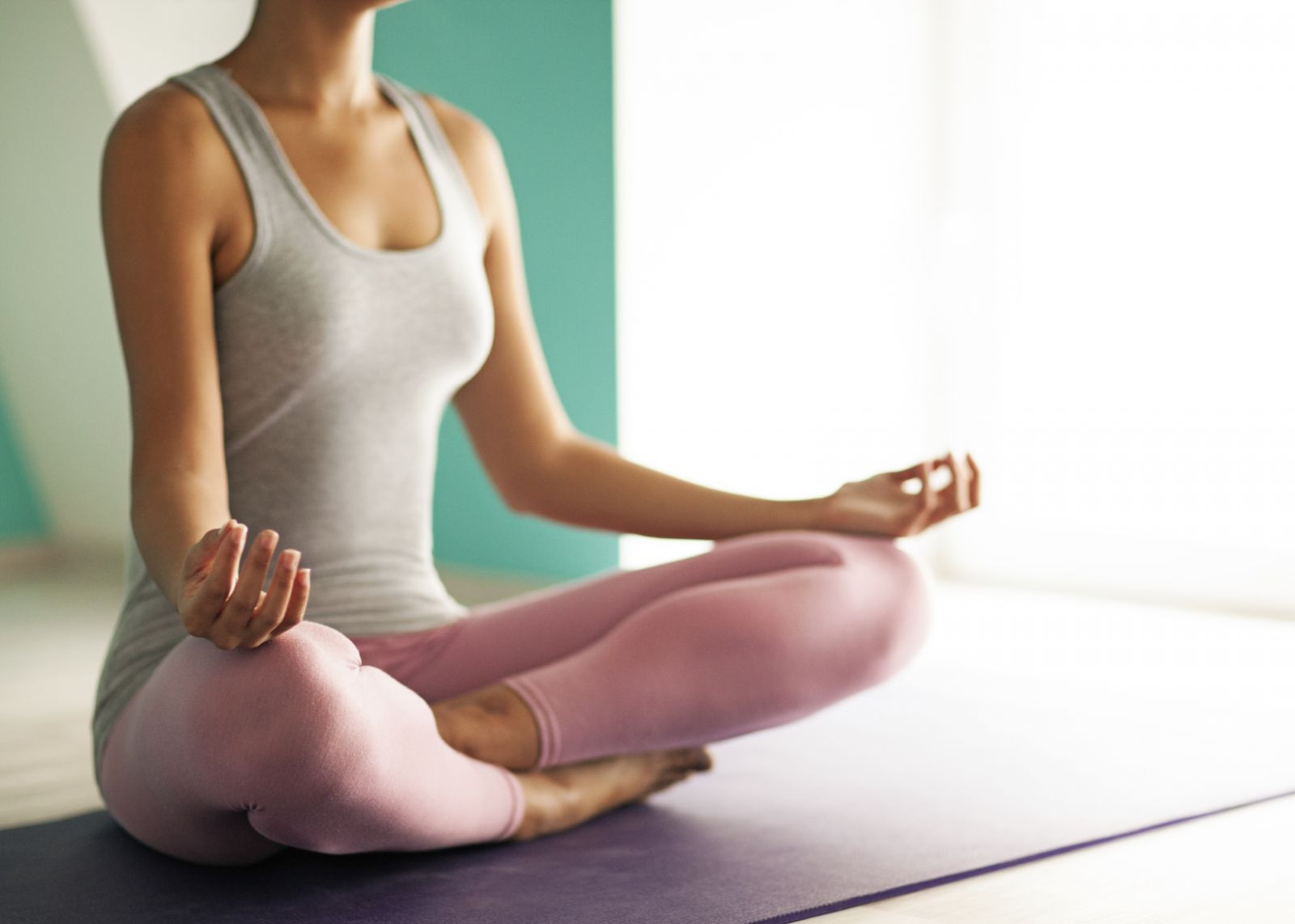
Mindfulness: Not just for stress reduction
Image: iStock
The meditative practice is being used for everything from boosting happiness to treating high blood pressure.
Mindfulness, which trains you to focus your mind on the present moment, is more than a popular meditation technique. It's been shown to help treat depression and anxiety and improve sleep quality. And it's now being studied as a complementary therapy for cancer, stroke, multiple sclerosis, and pain. "We're seeing an exponential increase in doctors embracing mindfulness as a treatment," says Dr. Ronald Siegel, assistant professor of psychology at Harvard Medical School and faculty editor of the Harvard Special Health Report Positive Psychology.

What happens when you faint?
About 1 in 3 people report at least one episode of fainting during their lifetime, so it’s surprising that we don’t see people fainting more often. Fainting is usually harmless, the body’s response to emotional or physical stress. But in some cases, fainting can indicate an underlying problem such as heart abnormalities or seizures. And even when the cause of fainting is not that serious, fainting that leads to a fall can cause injury.


Can calming your mind help your heart?
Many people practice meditation in hopes of staving off stress and its related health problems, including heart disease. While some studies of meditation haven't been the most scientifically rigorous, other research strongly suggests that this ancient, mind-calming practice can actually help lower blood pressure — and that it may offer other benefits for the entire cardiovascular system.
"The evidence that chronic stress is pretty toxic for the cardiovascular system is mounting," says Dr. Laura Kubzansky, a professor of social and behavior science at the Harvard T.H. Chan School of Public Health.


Study suggests scant increased risk of breast cancer from alcohol intake
Research we're watching
A study published Oct. 15, 2015, in the International Journal of Cancer adds to evidence that the risk of breast cancer increases—but not very much—with every drink a woman takes. Researchers from five Spanish universities followed 334,850 women, ages 35 to 70, from 10 European countries. During an 11-year period, 11,576 were diagnosed with breast cancer.
When the researchers compared alcohol intake among women who developed breast cancer and those who didn't, they found women who averaged two drinks a day had a 4% higher risk than those who limited their consumption to one daily drink. Those who averaged three drinks a day had a 6% higher breast cancer risk.
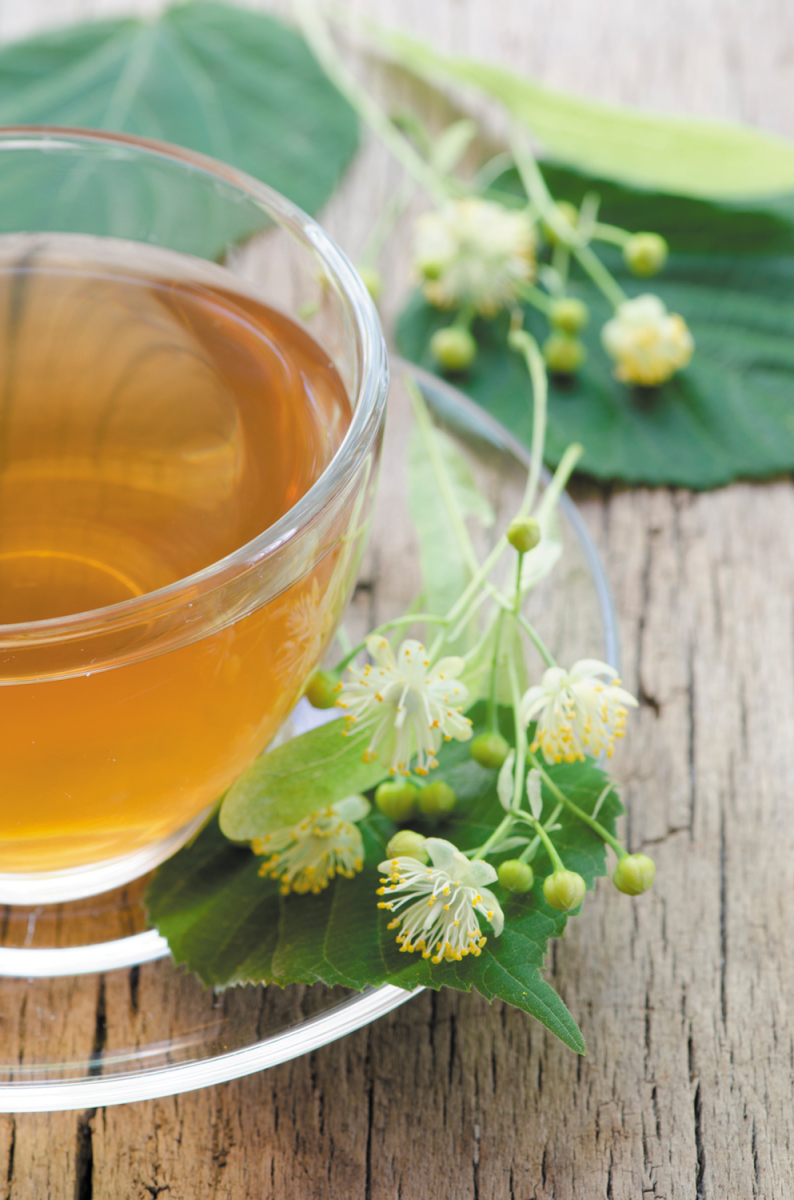
Is there a natural remedy for anxiety?
|
Ask the doctor
Q. I find myself getting more and more anxious, but I don't like to take medications. Is there an alternative natural treatment I can try instead?
A. Anxiety is an incredibly common problem. Although there are many FDA-approved medications that have been widely studied and proved effective, studies show that up to 43% of patients with anxiety use alternative medicine to treat it. Among alternative therapies, herbal treatments are widely used both for therapeutic purposes and for comfort.

Even a little exercise linked with lower stroke risk in people with afib
Testosterone therapy without evidence of deficiency may boost heart risk
Weight-loss drug may lower risk of heart attacks and infections
What to eat on the DASH diet
Migraine: How it's diagnosed and what that means
Tricep workouts you can do at home
Mindfulness practices to reduce stress and improve focus
Antihistamines may not offer meaningful relief from eczema symptoms
Overweight and taking blood pressure medications: Study finds it's a trend that's working
FDA approves first mRNA-based flu vaccine
Free Healthbeat Signup
Get the latest in health news delivered to your inbox!
Sign Up
