

Even a little exercise linked with lower stroke risk in people with afib

Testosterone therapy without evidence of deficiency may boost heart risk

Weight-loss drug may lower risk of heart attacks and infections

What to eat on the DASH diet

Migraine: How it's diagnosed and what that means

Tricep workouts you can do at home

Mindfulness practices to reduce stress and improve focus

Antihistamines may not offer meaningful relief from eczema symptoms

Overweight and taking blood pressure medications: Study finds it's a trend that's working

FDA approves first mRNA-based flu vaccine
Mind & Mood Archive
Articles

Rev up your thinking skills by trying something new
Learning a new dance step involves exercise, socialization, and a challenge, all of which can help boost thinking skills.
Image: iStock
Challenging your brain, staying physically active, and being socially engaged may help keep our thinking skills sharp.

3 health strategies to help you get through the holidays
Image: Thinkstock
Plan now to help prevent overeating, trips to the hospital, and depression.
The winter holidays are supposed to be a joyous time, filled with celebration. But they come with health risks, such as loneliness and depression, overeating, weight gain, falls in icy weather, foodborne illness, and heart problems. Here are ways to protect yourself while enjoying the season.

Will Prozac help my premenstrual depression?
Ask the doctor
Q. I've had some severe bouts of depression before my periods. I have done my own research and I am willing to try an antidepressant. What dosage of Sarafem or Prozac is usually given to treat this?
A. Selective serotonin reuptake inhibitors (SSRIs) are an excellent option for treating premenstrual syndrome (PMS) and premenstrual dysphoric disorder (PMDD). In fact, most physicians now consider them first-line therapy. Many different SSRIs have been studied, including the one you asked about—fluoxetine (Prozac or Sarafem)—and they all appear to be equally effective.
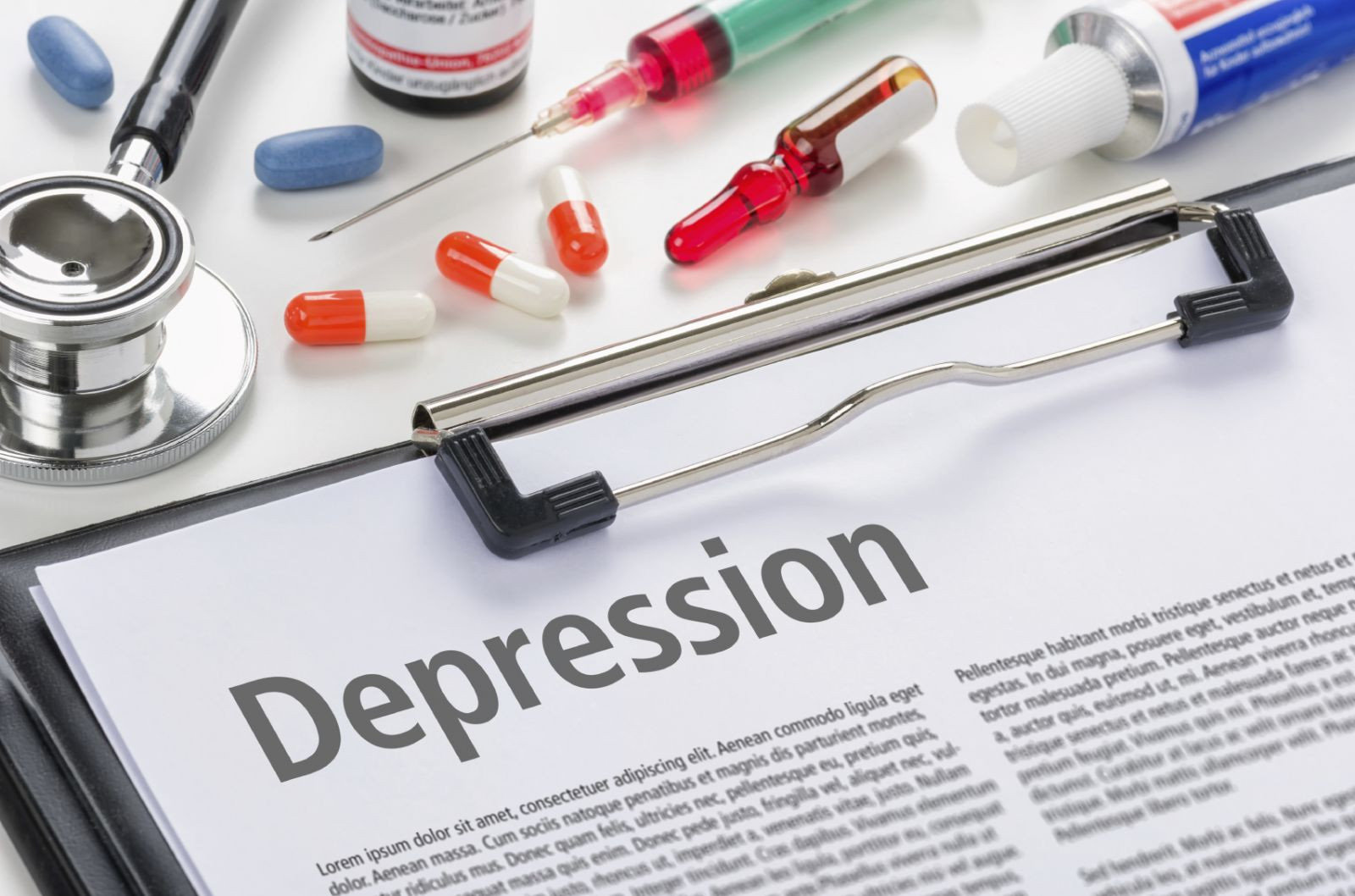
Confirming depression: When extra tests might help
Medical science is making good progress in unraveling the biological underpinnings of depression. Someday, these discoveries may lead to lab tests that can help identify or confirm depression and other mood disorders.
Right now, doctors and therapists rely on the symptoms reported by their patients, along with clinical expertise and experience, to diagnose depression and determine a course of treatment.
Sometimes, though, additional information can help distinguish depression from other problems. That's why your doctor might recommend any of the following tests:

10 questions to ask when choosing a therapist
Whether you get a recommendation for a therapist from your primary care doctor, a friend, or your insurance company, finding out about his or her background and training can help you feel comfortable with your choice. Here are some questions to ask before settling on a therapist:
- What's your training (i.e., what certification or degrees do you hold)?
- How long have you worked in this field?
- What kinds of treatment or therapy do you think might help me?
- What are the advantages and disadvantages of different approaches to treatment, including medications?
- How does the type of treatment you offer work?
- What are the chances that treatment will succeed?
- How soon should I start feeling better?
- How will we assess my progress?
- What should I do if I don't feel better?
- How much will treatment cost?
It's hard for a therapist to give precise answers to some of these questions, because no single therapist or type of treatment is best for everyone. But there are some general responses you should be looking for: The therapist should easily be able to describe his or her formal training and certification, for example. And while there's a tendency for mental health professionals to offer only the particular type of psychotherapy that they do best, it's a good sign if the person can describe the merits and drawbacks of different types of treatment, including ones he or she doesn't do.

In the journals: Seniors get no brain boost from omega-3 supplements
A recent study in The Journal of the American Medical Association found that seniors got no mental boost from taking daily omega-3 fatty acid supplements and antioxidant vitamins for four years. On the other hand, that doesn't mean eating a nutritious diet throughout life doesn't promote healthy aging.
The clinical trial involved more than 3,500 people, average age 73. Researchers were primarily testing the ability of daily nutritional supplements to prevent vision loss from age-related macular degeneration (AMD), which damages the light-sensing retina in the back of the eye. Participants also had tests of their mental function every other year in addition to annual eye exams.

Longer work hours may boost stroke risk
Image: Thinkstock
Research we're watching
People who work long hours may face a higher risk of stroke, according to a study published online Aug. 20, 2015, by Lancet.
Researchers pooled data from 17 studies from the United States, Europe, and Australia that followed more than 528,000 workers for an average of just over seven years. None of the participants had cardiovascular disease when they signed up for the studies.

Is your medication making you depressed?
When starting a new medication, keep a journal to track any new symptoms that develop. Note the time of day, date, and type of symptom you are experiencing. |
Be on the lookout for mood swings, sleeplessness, and anxiety when starting certain medications.

Can depression worsen RA symptoms or make treatment less effective?
Depression is fairly common among people suffering with rheumatoid arthritis (RA). Recent research suggests that depression may worsen RA symptoms and even make medications less effective. To date, the studies that indicate a connection between the severity of RA symptoms and depression have not been conclusive, so more research is needed. In the meantime, if you have RA and notice signs of depression, be sure to talk with your doctor.
Even a little exercise linked with lower stroke risk in people with afib
Testosterone therapy without evidence of deficiency may boost heart risk
Weight-loss drug may lower risk of heart attacks and infections
What to eat on the DASH diet
Migraine: How it's diagnosed and what that means
Tricep workouts you can do at home
Mindfulness practices to reduce stress and improve focus
Antihistamines may not offer meaningful relief from eczema symptoms
Overweight and taking blood pressure medications: Study finds it's a trend that's working
FDA approves first mRNA-based flu vaccine
Free Healthbeat Signup
Get the latest in health news delivered to your inbox!
Sign Up
