

Even a little exercise linked with lower stroke risk in people with afib

Testosterone therapy without evidence of deficiency may boost heart risk

Weight-loss drug may lower risk of heart attacks and infections

What to eat on the DASH diet

Migraine: How it's diagnosed and what that means

Tricep workouts you can do at home

Mindfulness practices to reduce stress and improve focus

Antihistamines may not offer meaningful relief from eczema symptoms

Overweight and taking blood pressure medications: Study finds it's a trend that's working

FDA approves first mRNA-based flu vaccine
Mind & Mood Archive
Articles

Over-the-counter drugs may be linked to memory decline
A class of drugs commonly used in over-the-counter and prescription drugs to treat such problems as insomnia, diarrhea, high blood pressure, depression, and urinary incontinence may be linked to cognitive impairment. Scientists believe the drugs block the neurotransmitter acetylcholine that helps process information, which scientists believe is responsible for the effect.

Is an underlying condition causing your fuzzy thinking?
The top five causes you may be overlooking.
Image: the-lightwriter/iStock
You know the feeling: you can't find a particular word, remember someone's name, or concentrate the way you once did. Is it just aging, or is something else to blame? "It's easy to underestimate how underlying conditions affect memory and thinking, and they are often overlooked," says Dr. Shreya Raj, a neuropsychiatrist with the Center for Brain/Mind Medicine at Harvard-affiliated Brigham and Women's Hospital.
Common causes
What you should do
When trouble with concentration or memory interferes with your day, it's probably time to talk to your primary care doctor. Report any additional symptoms you may be having, such as fatigue, muscle weakness, sadness, daytime sleepiness, or anxiety. You might need some blood tests to check your thyroid hormones or B12 levels (neither test is ordered routinely), or a sleep test if you have sleep apnea symptoms.
Often, treating an underlying condition can restore your clarity of thinking. "When we treat depression or sleep apnea, for example, we see a sudden improvement in memory and focus," says Dr. Raj. "And if a medication side effect is the problem, changing the dose or type of drug may resolve the problem."
If treating an underlying condition doesn't sharpen thinking skills, your doctor may refer you to a neuropsychologist for formal tests of your thinking ability, particularly signs of dementia. Most of the time, however, people with fuzzy thinking do not have dementia.
Fuzz bustersWhen you're struggling with fuzzy thinking, lifestyle changes like these can bring more clarity. Get more sleep. Aim for seven to eight hours of sleep per night. "Older adults to tend to sleep less, but if you're getting too little sleep, you won't think as sharply as you could," says Dr. Shreya Raj. Boost your Z's by going to sleep and waking at the same time each day, and avoiding caffeine, particularly after noon. Exercise more. Try to get 150 minutes of moderate-intensity activity per week, such as brisk walking. You'll get more sleep and boost blood flow to the brain. Many studies have shown that aerobic exercise in particular improves thinking skills. Change your diet. "Not eating healthfully makes you more sluggish, even in thinking. Studies have shown the Mediterranean diet may improve cognitive function," says Dr. Raj. The diet includes fresh vegetables and fruits; whole grains; olive oil; nuts; legumes; fish; moderate amounts of poultry, eggs, and dairy; moderate amounts of red wine; and red meat only sparingly. Image: JackF/Thinkstock |

Loneliness and isolation raise risk for stroke and heart disease, study suggests
Loneliness and isolation are associated with an increased risk for developing coronary artery disease (CAD) and stroke.

What a therapist can do for you
Many men resist talking about their problems, but there are times when it's necessary.
Image: ArtemSam/Thinkstock
Men often like to think of themselves as the strong, problem-solver type who never needs help, especially when it comes to their emotional and mental issues. But men should never bottle up their feelings and tough it out, according to Dr. Darshan Mehta, medical director of the Benson-Henry Institute for Mind Body Medicine at Harvard-affiliated Massachusetts General Hospital.
"Your mental health is equally as important as your physical health and proper nutrition. Not addressing negative feelings can carry over to all aspects of your life and have a profound impact," he says.

Lung disease in smokers who don’t have COPD
You probably know that smoking has enormous consequences for your health. One of the most common is chronic obstructive pulmonary disease (COPD), a disorder involving damage to the lungs. If you smoke, but you don’t have COPD, you may be tempted to think your lungs are relatively unharmed — but a recent study suggests that some smokers without COPD might still suffer lung damage.
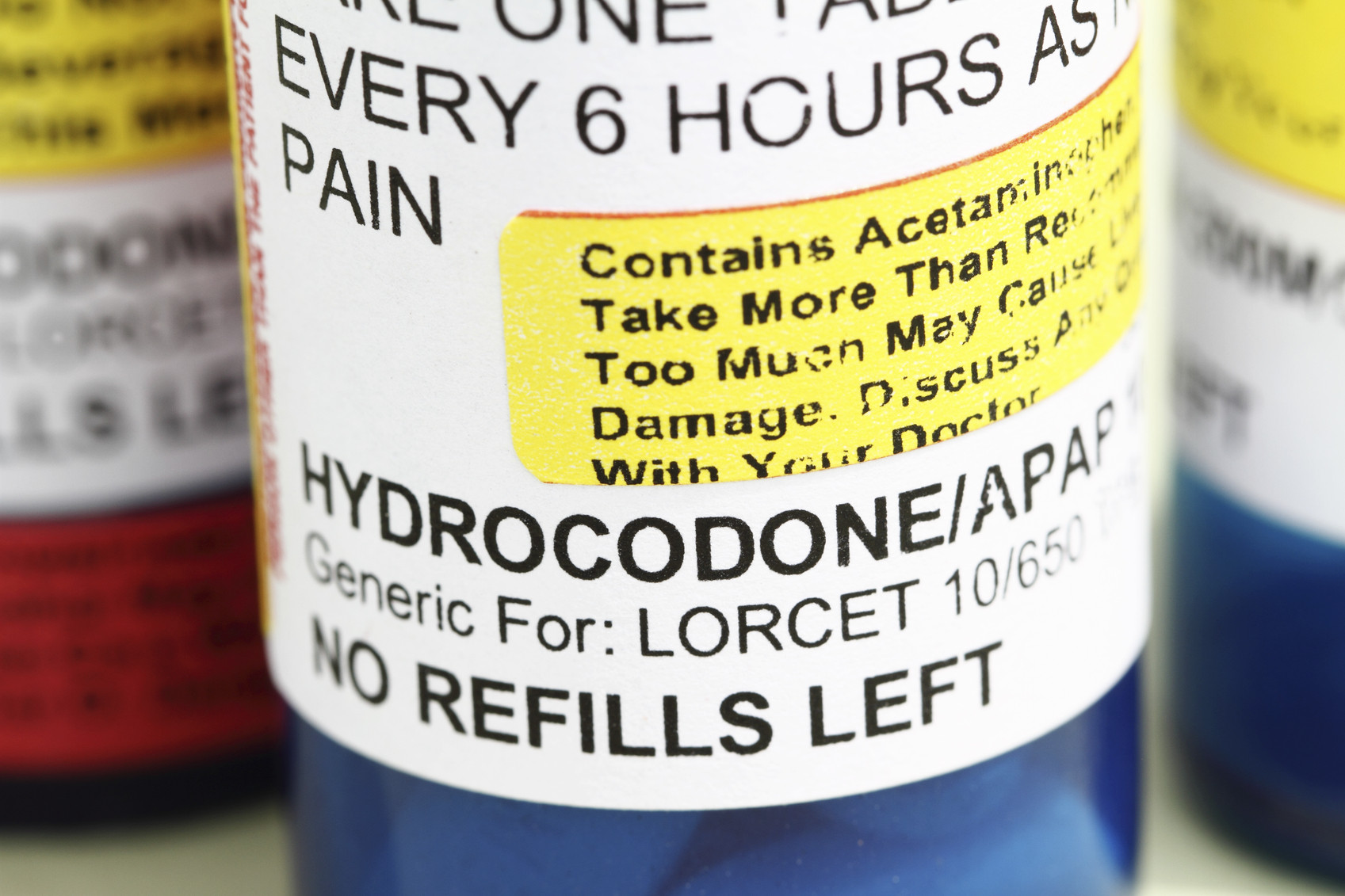
The opioid crisis and physician burnout: A tale of two epidemics
Like many of us these days, doctors are feeling the pressure of being asked to do more work in less time. This burnout is a big problem for both doctors and their patients, and it has big consequences — some obvious, some less so. In this post, Dr. Adelman explores the relationship between physician burnout and another big problem facing the country — the opioid epidemic.

Opioid crisis: The difference between sympathy and empathy
When a patient calls a new doctor begging for a refill on their pain medication, what should the doctor do? Denying medication to someone in significant pain seems unethical — but denying it to someone who’s suspected to be reselling it is a whole different story. Doctors now have systems in place to help them make the right call. But even these systems can’t replace the most critical piece of the puzzle — empathy.

How stress affects seniors, and how to manage it
Exercise, breathing techniques, and medication can help you manage stress as you get older.
Image: moldboard/Thinkstock
We all experience a little stress from time to time. It's not so hard to handle when we're young. But as we age, coping with stress isn't as easy anymore. "We tend to have less resilience to stress, and older adults often find that stress affects them differently now," says Dr. Michelle Dossett, an internal and integrative medicine specialist at the Benson-Henry Institute for Mind Body Medicine.
Changes in response
Changes in triggers
When you were younger, your stressors may have been a busy day at the office or a crying child. "Stressors that tend to affect seniors are the loss of a loved one; too much unstructured time on your hands; a change in relationships with children; or a loss of physical abilities, such as vision, hearing, balance, or mobility," says Dr. Dossett.
Symptoms of stress may include tension headaches, indigestion, heart palpitations, poor concentration, sleep difficulties, anxiety, irritability, crying, or overeating. If any of these symptoms are interfering with your quality of life, Dr. Dossett suggests that you seek help.
What you should do
Debunking misconceptions around addiction
Dr. Michael Bierer explains the most common misconception about addiction and offers tips for recognizing if you might be developing an addiction.
Treatments for opioid medication addictions
Dr. Wynne Armand talks with Dr. Terry Schraeder about the increase in opiod addictions and shares prevention and treatment methods for those experiencing an addiction to prescription opioid medication.
Even a little exercise linked with lower stroke risk in people with afib
Testosterone therapy without evidence of deficiency may boost heart risk
Weight-loss drug may lower risk of heart attacks and infections
What to eat on the DASH diet
Migraine: How it's diagnosed and what that means
Tricep workouts you can do at home
Mindfulness practices to reduce stress and improve focus
Antihistamines may not offer meaningful relief from eczema symptoms
Overweight and taking blood pressure medications: Study finds it's a trend that's working
FDA approves first mRNA-based flu vaccine
Free Healthbeat Signup
Get the latest in health news delivered to your inbox!
Sign Up
