

Even a little exercise linked with lower stroke risk in people with afib

Testosterone therapy without evidence of deficiency may boost heart risk

Weight-loss drug may lower risk of heart attacks and infections

What to eat on the DASH diet

Migraine: How it's diagnosed and what that means

Tricep workouts you can do at home

Mindfulness practices to reduce stress and improve focus

Antihistamines may not offer meaningful relief from eczema symptoms

Overweight and taking blood pressure medications: Study finds it's a trend that's working

FDA approves first mRNA-based flu vaccine
Mind & Mood Archive
Articles

Benefits of volunteering: This may be the time to cash in
A study published online Aug. 8, 2016, by BMJ Open found that volunteering seems to confer greater benefits for general well-being in middle and older age than earlier in life.
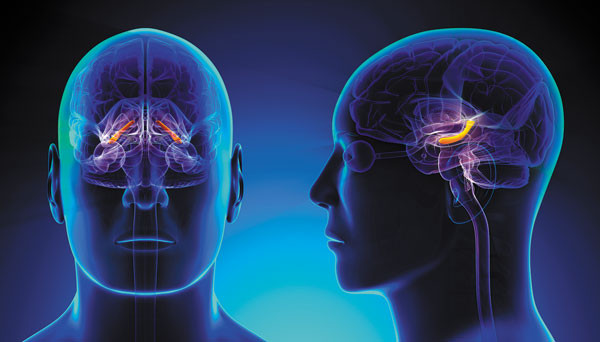
Can you grow new brain cells?
The science of neurogenesis suggests it's possible to create neurons that improve your memory and thinking skills.
Image: Decade3d/ Thinkstock
There are many aspects of aging you cannot prevent, but surprisingly, memory trouble is not one of them.
"The dogma for the longest time was that adult brains couldn't generate any new brain cells. You just use what you were born with," says Dr. Amar Sahay, a neuroscientist with Harvard-affiliated Massachusetts General Hospital. "But the reality is that everyone has the capacity to develop new cells that can help enhance cognitive functions."

Treating pain with your brain
Mindfulness can be an effective adjunct to medication for chronic pain.
Image: Tetmc/ Thinkstock
For a long time, people with chronic pain have had to make a trade-off—enduring the discomfort stoically or taking medications that pose additional health risks, including dependence and addiction. But in the last few years, medicine has added another approach that has no troubling side effects: mindfulness.
"Mindfulness is basically paying attention to the present moment without judging," says Dr. Sara Lazar, a neurologist at Harvard-affiliated Massachusetts General Hospital. It is a component of many relaxation techniques, including yoga, deep breathing, tai chi, massage, reflexology, journaling, and prayer.

Shift stress to calm: An “inner family” affair
The new book Organize Your Emotions, Optimize Your Life proposes that the human psyche has nine life forces speaking as our “inner voices,” each with its own agenda and emotions. Learning to listen and respond to those voices can help you shift your stress to a sense of balance.

Saving lives by prescribing naloxone with opioid painkillers
Unintentional opioid overdose is now the leading cause of accidental death in the United States. These drugs are prescribed to patients to help relieve pain, but overdoses happen because opioids can also depress breathing, sometimes stopping it altogether. But naloxone, also called Narcan, can help reverse the effects of an overdose. If doctors prescribe naloxone at the same time as opioids, overdose deaths may decrease.


At what age is alcohol use unsafe?
When older adults drink alcohol, they may be increasing their risk of falls. Otherwise, drinking alcohol in the older years poses the same risks as it does in the younger years.


Fentanyl: The dangers of this potent “man-made” opioid
Fentanyl is a powerful synthetic opioid. It is far more potent — and potentially more dangerous — than heroin and morphine. Overdose deaths related to fentanyl are on the rise. The drug is cheaper than heroin and recently is being used to dilute heroin or substitute for it. Users may be unaware that they are taking this potent drug, or may even seek its intense high. People at risk from using fentanyl can be treated successfully with therapies used for other opioid use disorders, but taking steps to prevent overdose are critical until a person is ready to seek care.

E-cigarettes: Good news, bad news
While e-cigarettes do not produce the tar or toxic gases found in cigarette smoke, this doesn’t make them a healthy option. The e-liquid found in e-cigarettes still contains highly addictive nicotine that also increases your risk of insulin resistance and type 2 diabetes. Nicotine also increases the risk of addiction to other drugs and may impair brain development. Rather than rely on the perceived benefits of e-cigarettes, people should avoid smoking altogether.
Even a little exercise linked with lower stroke risk in people with afib
Testosterone therapy without evidence of deficiency may boost heart risk
Weight-loss drug may lower risk of heart attacks and infections
What to eat on the DASH diet
Migraine: How it's diagnosed and what that means
Tricep workouts you can do at home
Mindfulness practices to reduce stress and improve focus
Antihistamines may not offer meaningful relief from eczema symptoms
Overweight and taking blood pressure medications: Study finds it's a trend that's working
FDA approves first mRNA-based flu vaccine
Free Healthbeat Signup
Get the latest in health news delivered to your inbox!
Sign Up
