

Even a little exercise linked with lower stroke risk in people with afib

Testosterone therapy without evidence of deficiency may boost heart risk

Weight-loss drug may lower risk of heart attacks and infections

What to eat on the DASH diet

Migraine: How it's diagnosed and what that means

Tricep workouts you can do at home

Mindfulness practices to reduce stress and improve focus

Antihistamines may not offer meaningful relief from eczema symptoms

Overweight and taking blood pressure medications: Study finds it's a trend that's working

FDA approves first mRNA-based flu vaccine
Menopause and perimenopause Archive
Articles

Contrary to popular belief, epidurals don’t prolong labor. Phew.
Challenging a long-held belief, a new study found that women who received epidural anesthesia during labor did not have prolonged labor or higher rates of cesarean births.


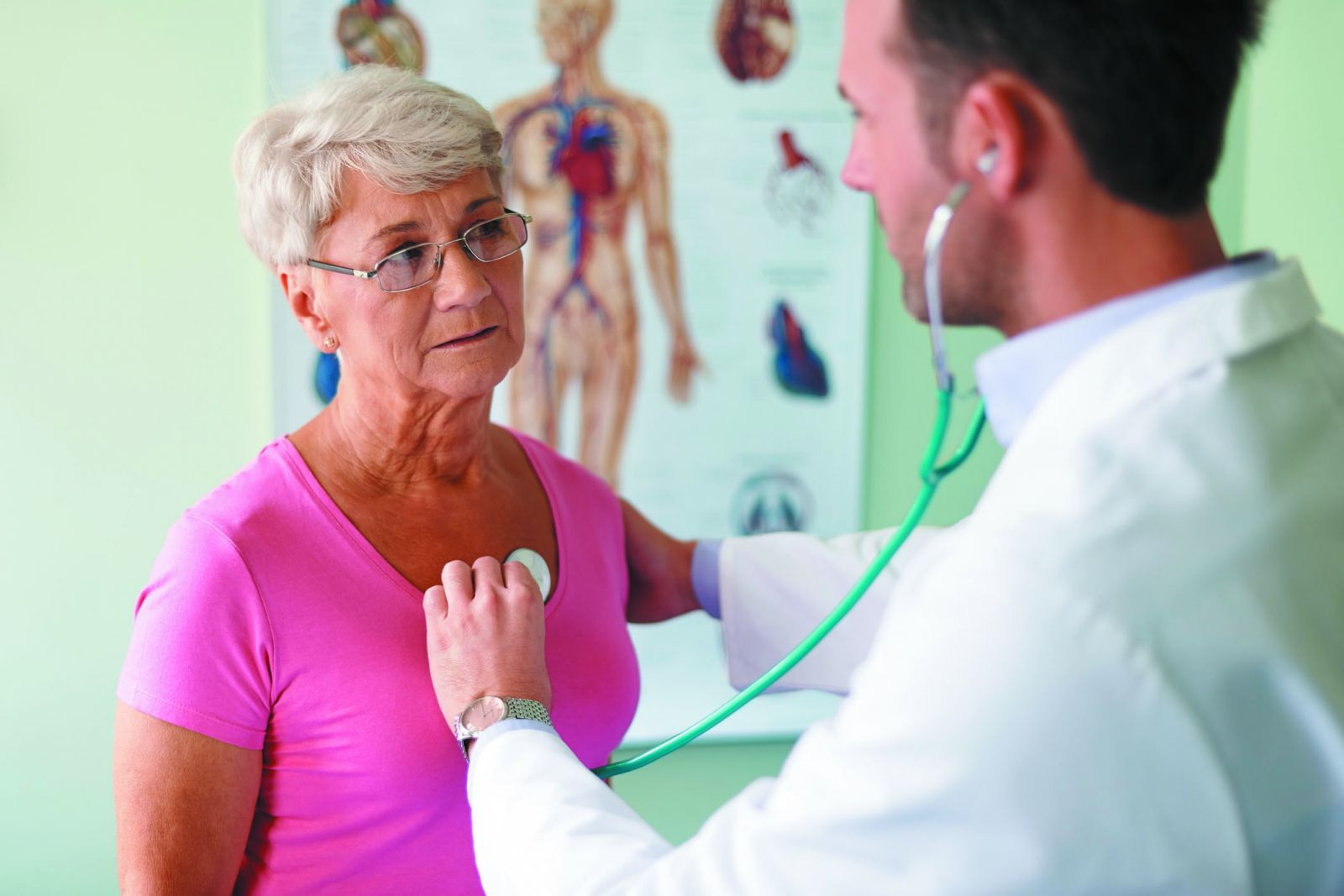
Don’t underestimate your heart risks
Start a conversation with your doctor about your risk factors.
Image: © gpointstudio/Thinkstock
Statistically speaking, your heart is the biggest threat to your health. In 2014, more women died from cardiovascular disease than from cancer, chronic lung disease, and diabetes combined, according to the American Heart Association (AHA).
But have you talked with your doctor about your risk factors? Many women haven't, according to a pair of surveys published in the June issue of the Journal of the American College of Cardiology (JACC). The surveys also show that this top-ranked threat to women's health isn't getting nearly the attention it deserves from many women and their doctors.


Is my bruising normal?
Ask the doctors
Q. I've found that I bruise more easily as I've gotten older. Is that normal?
A. If you're noticing more black-and-blue marks on your body, it's most likely not a skin or blood problem. Age-related changes to your skin and underlying blood vessels can make you more prone to bruising.

An aspirin a day for your health?
A daily low-dose aspirin may help prevent stroke and certain cancers, but the therapy carries certain risks you'll want to discuss with your physician.
It used to be that you would reach for an aspirin only if you had a headache or an achy joint, but current research shows that low doses of the drug may reduce your risk of stroke and even help prevent colorectal cancer.
So, does this mean you should head to the pharmacy, grab a bottle, and pop a tablet every morning to ward off disease? The short answer is, maybe — but only after you have a detailed conversation with your doctor about the potential benefits and risks. A low-dose aspirin regimen is certainly not appropriate for every woman.

Gender equality? Not when it comes to alcohol and the brain
Gender differences in the brain's reward system could mean that women who need help kicking alcohol may need different types of treatment.
Image: © Jupiterimages/Thinkstock
Men and women aren't created equal — at least when it comes to drinking alcohol. If you drink a glass of wine, you will typically have a higher blood alcohol level than a man who drinks the same amount, because of differences in the way your body processes alcohol. And if you drink more than the recommended amount, you may also be more susceptible to health problems — including liver disease and brain changes — than a man who does the same.
A new study from researchers at Harvard-affiliated Massachusetts General Hospital and Boston University has added another potential concern to that list, by showing that alcoholism may also have different effects on the reward systems in men's and women's brains.

How clean should your skin be?
Soaps that strip away microbes aren't good, but it may be too soon to try products that add bacteria back.
You may have noticed that antimicrobial skin cleansers have disappeared from the shelves. In September 2016, the FDA ruled that over-the-counter antiseptic soaps and wash products containing triclosan, triclocarban, or 17 other antimicrobial agents could no longer be marketed because their manufacturers didn't demonstrate that the ingredients were both safe and effective in preventing the spread of infections. Moreover, the widespread use of antimicrobials is thought to promote the growth of antibiotic-resistant bacteria, like methicillin-resistant Staphylococcus aureus (MRSA), which can cause infections that are difficult to treat and even life-threatening.
You may also have noticed some new sprays, creams, and lotions whose purpose is just the opposite. Rather than eradicating microbes from our skin, these products, called probiotics, are designed to aid the growth of certain beneficial skin bacteria.
Hearing loss linked to late menopause, extended hormone use
Research we're watching
It was once thought that hearing loss in older women might be linked to loss of estrogen and progesterone following menopause and that hormone therapy might reduce that risk. Recent results from the Nurses' Health Study II indicate just the opposite — that late natural menopause and the use of oral hormone therapy are linked to a higher risk of hearing loss.
Researchers enrolled 80,972 women ages 27 to 44 in 1991. All completed periodic questionnaires on their health status and lifestyles. By 2013, 18,558 participants had reported hearing loss. When the researchers analyzed the results, they found that women who underwent natural menopause at age 50 or older had a 10% greater risk of hearing loss than women who reached menopause before 50. Compared with nonusers, women who used hormone therapy — either estrogen alone or estrogen and progesterone — had a 15% greater risk of hearing loss if they used hormones for five to 10 years and 21% higher risk if they used them 10 years or longer.
Even a little exercise linked with lower stroke risk in people with afib
Testosterone therapy without evidence of deficiency may boost heart risk
Weight-loss drug may lower risk of heart attacks and infections
What to eat on the DASH diet
Migraine: How it's diagnosed and what that means
Tricep workouts you can do at home
Mindfulness practices to reduce stress and improve focus
Antihistamines may not offer meaningful relief from eczema symptoms
Overweight and taking blood pressure medications: Study finds it's a trend that's working
FDA approves first mRNA-based flu vaccine
Free Healthbeat Signup
Get the latest in health news delivered to your inbox!
Sign Up
