

People who walk more or walk faster live longer, study finds

For sleep apnea, a dental device may be as effective as CPAP

Rosacea treatments: What works?

Carb cycling: What is it, and does it work?

Understanding orthorexia: Have your healthy eating goals gone too far?

Salmonella, E. coli, Cyclospora, and other germs that cause food poisoning: What you need to know

Melatonin or magnesium: Can either supplement help you sleep?

Naturally gluten-free foods

Shingrix shingles vaccine linked with lower heart disease risks

Harvard study: Healthier fats linked to longer life after prostate cancer diagnosis
Medications and treatments Archive
Articles

The new diabetes drugs: Your best shot for weight loss?
Several drugs originally developed to treat type 2 diabetes can help people shed as much as 20% of their body weight—far more than other anti-obesity drugs. Known as incretin mimetics, they also improve blood pressure and cholesterol levels. Up to half of all new-onset diabetes cases in this country are linked to obesity, a disease that now affects more than 40% of Americans. Both conditions are closely linked to cardiovascular disease.

Seeing a surgeon?
A pre-surgery consultation with the surgeon can feel overwhelming. Many people are anxious and have questions about what's to come. Setting the right expectations on both sides can ease anxiety and help define a successful outcome.

What happens when a drug goes viral?
| After celebrities touted its weight loss benefits, high demand put the diabetes medication Ozempic in short supply. Learn more about what this means for people with diabetes. |

Take arms against perplexing pain
Pain in the shoulder, elbow, or wrist without obvious injury is common. Possible causes include arthritis, bursitis, frozen shoulder, rotator cuff tear, tendinitis, or nerve compression in the carpal tunnel or the cubital tunnel. Home remedies include rest, ice, compression, or elevation; over-the-counter anti-inflammatory pain relievers; and devices such as a splint or brace. Other treatments include physical therapy or steroid injections. Surgery is usually a last resort.
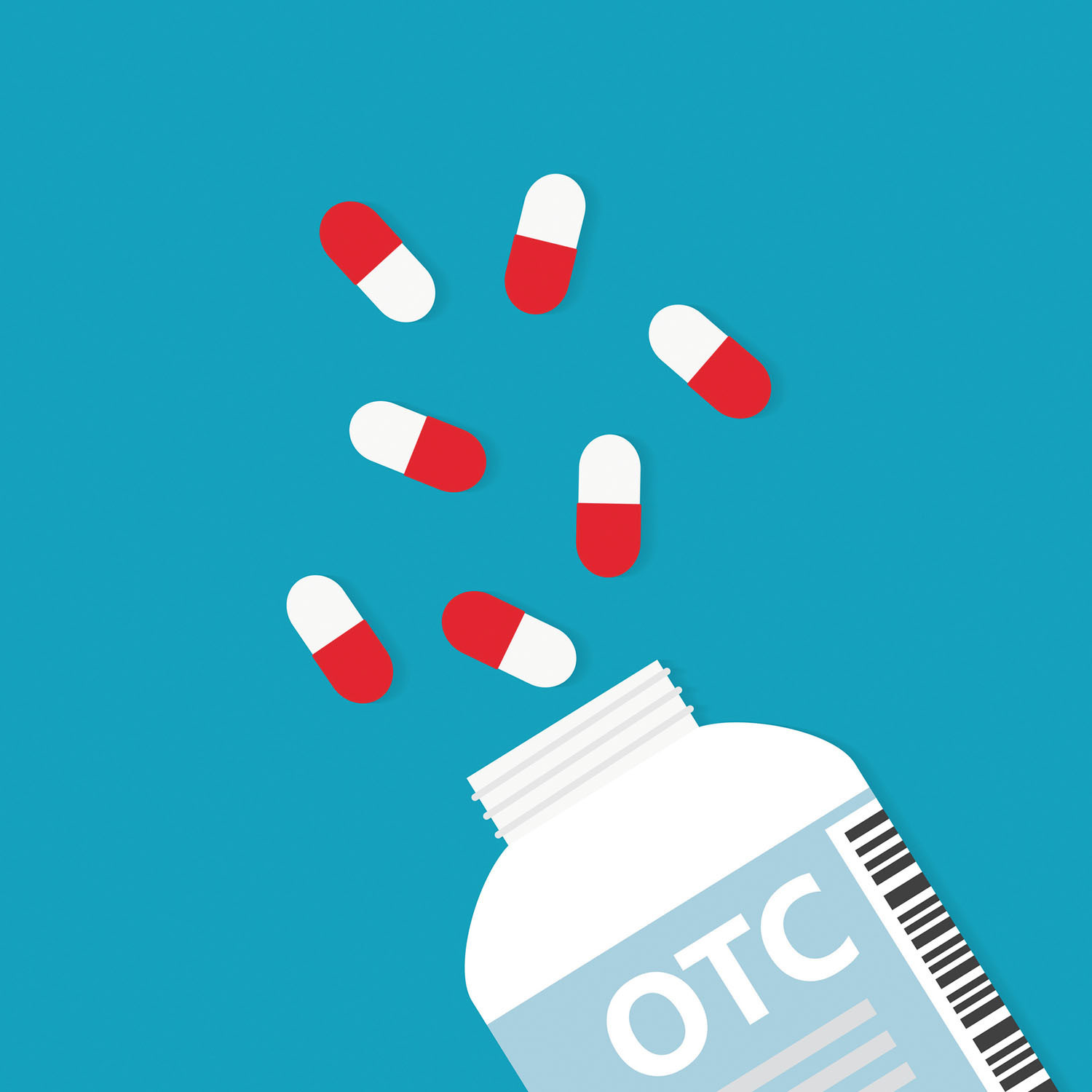
Know your pain relievers
Low back pain? Achy joints? Pulled muscle? One of the easiest remedies is to pop an over-the-counter (OTC) pain reliever. Most of the time, this does the trick. But which type of pain reliever should you take and how do you know when you have overused them?

How to identify anxiety disorders
Some degree of anxiety is normal, but people who regularly struggle with anxiety may have an anxiety disorder. Symptoms can be linked with life changes, a medical condition, and specific situations, like a fear of heights, crowds, and social situations. Recognizing the symptoms can help people seek medical care to find the source of their anxiety and adopt appropriate treatment. Treatment might include medications, psychotherapy, or both.

What's keeping you from getting a good night's sleep?
Sleep is the body's time for restoration and recuperation. It's when toxins are flushed out of the brain, tissue is repaired, muscles grow, memories are consolidated, and hormones are released. Over time, getting too little sleep or fragmented sleep impairs concentration and mood and increases the risks for many chronic diseases. It helps to try to identify and address factors that may be interrupting sleep, such as snoring bed partners, alcohol, heartburn, underlying health conditions, an uncomfortable sleeping environment, or medication side effects.

When cancer treatment affects the heart
Side effects from both older and newer cancer therapies can affect the heart and blood vessels, possibly causing serious, sometimes life-threatening complications. People diagnosed with any type of cancer should ask their doctor whether their planned treatment might lead to cardiovascular problems. Those ages 65 and older and anyone with risk factors for heart disease (such as high blood pressure or diabetes) may want to request a referral to a cardio-oncologist. These specialists focus on preventing and managing cardiovascular problems in people who are undergoing (or have completed) treatment for cancer.

Rating the drugs in drug ads
Drug ads appear everywhere in the US, but how do highly promoted new medications stack up against other available treatments? Aside from cost –– including billions spent on marketing –– there may also be health implications.

If you use cannabis, do it safely
Cannabis is legal in a growing number of states for adult recreational or medical use, or both. As access expands, here's what to know about safely purchasing and using cannabis products.
People who walk more or walk faster live longer, study finds
For sleep apnea, a dental device may be as effective as CPAP
Rosacea treatments: What works?
Carb cycling: What is it, and does it work?
Understanding orthorexia: Have your healthy eating goals gone too far?
Salmonella, E. coli, Cyclospora, and other germs that cause food poisoning: What you need to know
Melatonin or magnesium: Can either supplement help you sleep?
Naturally gluten-free foods
Shingrix shingles vaccine linked with lower heart disease risks
Harvard study: Healthier fats linked to longer life after prostate cancer diagnosis
Free Healthbeat Signup
Get the latest in health news delivered to your inbox!
Sign Up
