

Even a little exercise linked with lower stroke risk in people with afib

Testosterone therapy without evidence of deficiency may boost heart risk

Weight-loss drug may lower risk of heart attacks and infections

What to eat on the DASH diet

Migraine: How it's diagnosed and what that means

Tricep workouts you can do at home

Mindfulness practices to reduce stress and improve focus

Antihistamines may not offer meaningful relief from eczema symptoms

Overweight and taking blood pressure medications: Study finds it's a trend that's working

FDA approves first mRNA-based flu vaccine
Lung cancer Archive
Articles
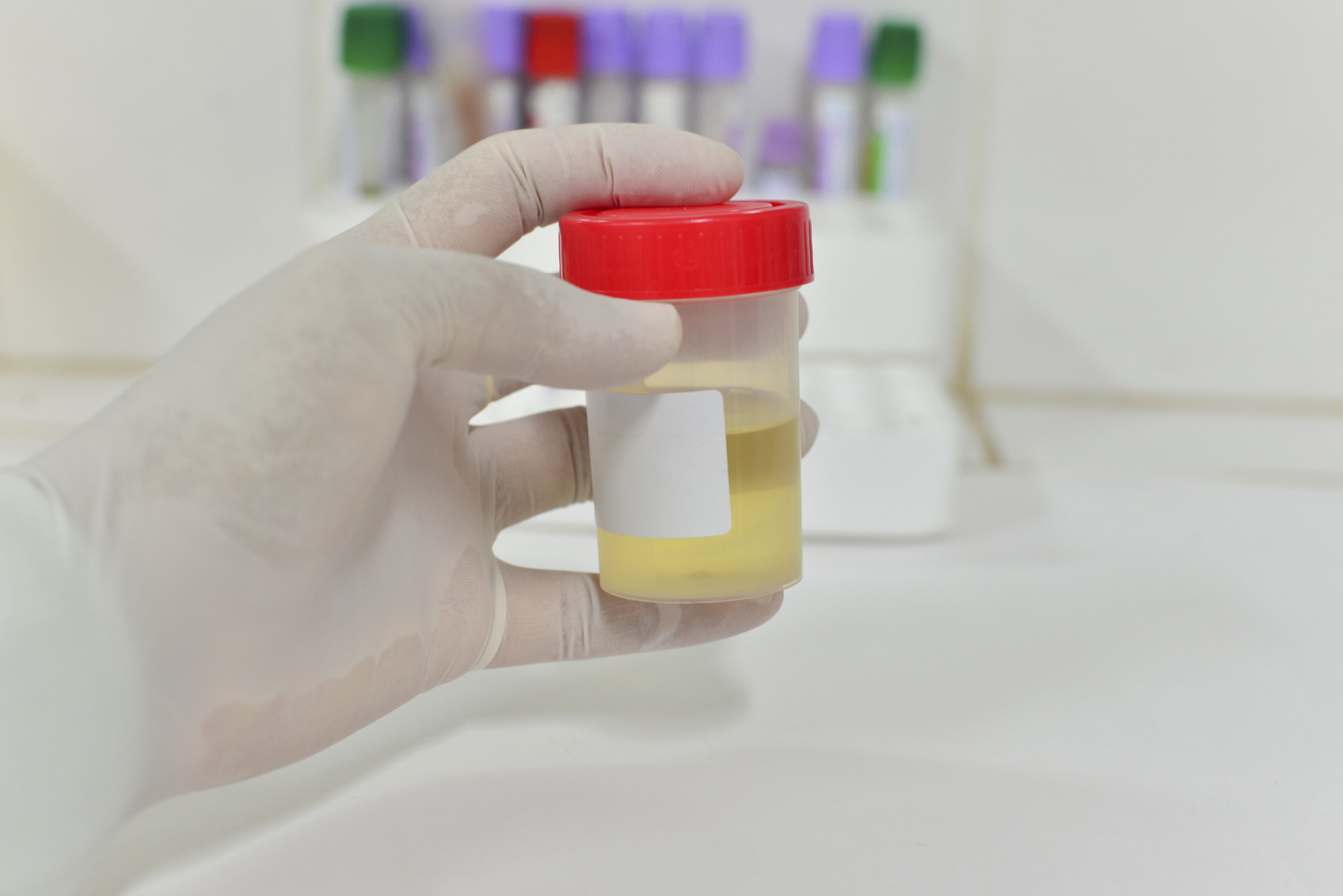
New urine test predicts high-grade prostate cancer
Researchers believe that a non-invasive screening test that can identify genetic markers for high-grade prostate cancer in urine may eventually reduce the number of prostate biopsies needed. However, experts also caution that while the number of non-invasive tests for prostate cancer diagnosis is growing, these are still early days in their development.

Gum disease may signal warning for pancreatic cancer
Research has found that people with high levels of the oral bacteria Porphyromonas gingivalis had a 59% greater risk of developing pancreatic cancer. It is too early to say whether this specific bacterium directly contributes to the disease. However, one theory is that since inflammation is related to cancer, the bacteria could cause inflammation in the pancreas. Another possibility is the bacteria are simply a marker for cancer-causing inflammation.

E-cigarettes: Good news, bad news
While e-cigarettes do not produce the tar or toxic gases found in cigarette smoke, this doesn’t make them a healthy option. The e-liquid found in e-cigarettes still contains highly addictive nicotine that also increases your risk of insulin resistance and type 2 diabetes. Nicotine also increases the risk of addiction to other drugs and may impair brain development. Rather than rely on the perceived benefits of e-cigarettes, people should avoid smoking altogether.

New blood test for colon cancer screening: Questions remain
In April, the U.S. Food and Drug Administration (FDA) approved a new screening test for colon cancer, making it the first blood-based test for this type of cancer. While this test does make it more convenient for people to get screened for colon cancer, it is also less exact than the current screening methods. It is important to discuss your risk factors and screening options with your doctor.

Does regular exercise reduce cancer risk?
It appears people with the highest levels of physical activity have lower rates of cancer of the esophagus, lung, kidney, colon, head and neck, rectum, bladder and breast, compared with people with the lowest levels of physical activity.
What is a synthetic human genome?
A group of scientists wants to develop technology to create a synthetic human genome, which could lead to improved organ transplantation, vaccines and medicines, and to new ways to fight cancer and infections.
More evidence that a healthy lifestyle might help prevent cancer
It appears that four healthy habits—getting 150 minutes of moderate-intensity exercise per week, maintaining a body mass index between 18.5 and 27.5, no smoking, and drinking only in moderation—may prevent many cancer cases and death in white people.

Harvard study links aspirin therapy and cancer prevention
News Briefs
Image: DimaSobko/Thinkstock
A Harvard study published March 3, 2016, in JAMA Oncology adds to increasing evidence that aspirin use may help stave off colorectal cancer and suggests that aspirin is also associated with a small reduction of overall cancer risk.
Researchers looked at aspirin use among almost 136,000 men and women in two studies over 32 years. They noted that regular aspirin use—taking either a 325-mg tablet or an 81-mg tablet two or more times per week—was associated with a 3% reduction in cancers over all, although they saw no effect on major cancers like those of the breast, prostate, or lung. The researchers say the overall reduction was due mostly to a 15% risk reduction for gastrointestinal cancer and a 19% risk reduction for colorectal cancer.
The risks of active surveillance for men with intermediate-risk prostate cancers
Many men with prostate cancer benefit from active surveillance, in which treatment doesn’t begin unless the cancer spreads. There has been some debate about whether this strategy is safe for men with intermediate-risk prostate cancer. A new study suggests that this type of cancer is more likely to spread than previously thought — but active surveillance can still be a good option for many intermediate-risk men.

Even a little exercise linked with lower stroke risk in people with afib
Testosterone therapy without evidence of deficiency may boost heart risk
Weight-loss drug may lower risk of heart attacks and infections
What to eat on the DASH diet
Migraine: How it's diagnosed and what that means
Tricep workouts you can do at home
Mindfulness practices to reduce stress and improve focus
Antihistamines may not offer meaningful relief from eczema symptoms
Overweight and taking blood pressure medications: Study finds it's a trend that's working
FDA approves first mRNA-based flu vaccine
Free Healthbeat Signup
Get the latest in health news delivered to your inbox!
Sign Up
