
Sacroiliac joint pain: Causes, symptoms, and exercises that help

What causes knee pain: How doctors make a diagnosis

Study: At-home colorectal cancer screening may significantly cut colon cancer deaths

Where you carry excess weight matters in predicting heart disease risk

Tai chi walking: What is it and does it work?

Fatty liver disease: Should you be tested?

Weight-loss drug may lower risk of heart attacks and infections

Testosterone therapy without evidence of deficiency may boost heart risk

Even a little exercise linked with lower stroke risk in people with afib

FDA approves first mRNA-based flu vaccine
Libido and sexual performance Archive
Articles

How does prostate cancer treatment affect mental health?
The long-term outlook for men diagnosed with prostate cancer continues to improve. These medical advances, however, have also drawn attention to the mental health challenges many survivors encounter. It's still common for survivors to struggle with loss of masculine self-esteem and changes in body image.

Women with diabetes may face more hidden heart damage
A 2025 study suggested that women with diabetes are nearly twice as likely as men to have hidden heart disease. These women might especially benefit from early screening for problems in the small blood vessels of the heart.
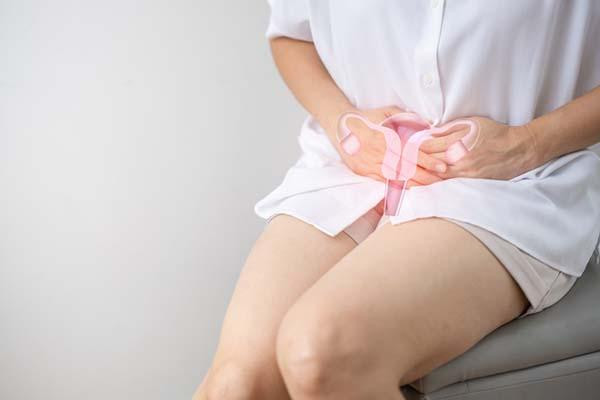
A new name for vaginal atrophy: Genitourinary syndrome of menopause
Genitourinary syndrome of menopause, or GSM, was once called vaginal atrophy. But experts changed the name to better reflect the full scope of symptoms, which include vaginal thinning and dryness; burning, irritation, and itching; pain during intercourse; urinary issues such as increased urgency and frequency; and higher risk of urinary tract infections. The majority of women with GSM symptoms don't discuss it with their doctors. But a Harvard expert says they should, since GSM is progressive and can lead to dangerous problems.

Poor sleep raises risk of heart problems in menopausal women
A 2025 study identified poor sleep along with high blood pressure, nicotine use, and high blood sugar levels as particularly important factors increasing the long-term risk of heart problems for women in midlife.
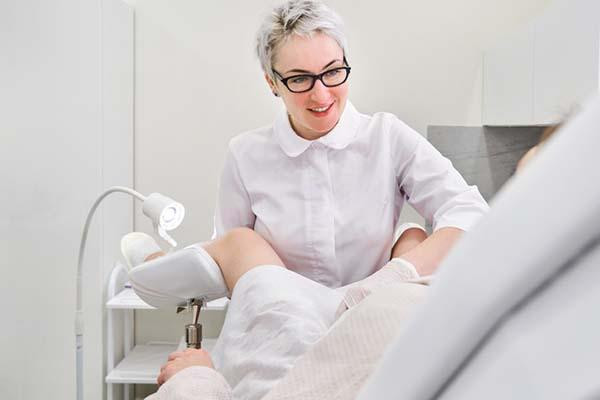
What can I expect during an endometrial biopsy?
An endometrial biopsy is the only way to rule out endometrial (or uterine) cancer. Any vaginal bleeding a year or more after a woman's final period raises the possibility of uterine cancer. The biopsy involves using a suction tube to gather cells from the uterine lining.
FDA removes menopause hormone therapy black box warnings
After an FDA panel was convened to review black box warnings on menopause hormone therapy, which includes both systemic and vaginal estrogen treatments, the FDA announced in November 2025 it would remove black box warnings from all hormone therapy products containing estrogen. Women considering hormone therapy should discuss their individual health risks with their doctor - such as a history of heart attack or stroke, a blood clot in the legs or lungs, hormone-sensitive cancer, active liver disease, and overall breast cancer and cardiovascular risks.

Navigating menopause after cancer
More than 10 million of the nation's 19 million cancer survivors are women, 80% of whom are 60 or older. Cancer survivors going through menopause may not be able to use systemic hormone therapy if their cancer was hormone-driven, but other measures can provide symptom relief. These include various medications and lifestyle modifications such as cognitive behavioral therapy, meditation, acupuncture, and regular exercise. Some women who can't use systemic hormone therapy may still try vaginal estrogen to ease vaginal dryness, some urinary symptoms, or painful sex.
What do vaginal probiotics do?
Vaginal probiotics contain live microorganisms and come in oral and suppository forms. Some ads claim these products can prevent or treat infections. But the vagina regulates its own bacterial mix, so vaginal probiotics aren't necessary.

What perimenopause symptoms should I tell my gynecologist about?
Women with unusual pelvic or vaginal symptoms should report them to their gynecologist. These symptoms include vaginal odor, itching, or burning; menstrual changes; pelvic pain or discomfort; or new bleeding.

The overlap between back pain and pelvic floor dysfunction
Pelvic floor dysfunction in women is commonly linked to lower back pain. The odds of developing pelvic floor-related back pain increase for women as they get older due to factors such as diminished estrogen and childbirth-related pelvic floor damage. Lower back pain and pelvic floor dysfunction may also have overlapping signs, including urinary leakage or urgency, a feeling of heaviness in the pelvis or vaginal bulging, constipation or bowel issues, painful sex or urination, and pain with prolonged sitting or standing.
Sacroiliac joint pain: Causes, symptoms, and exercises that help
What causes knee pain: How doctors make a diagnosis
Study: At-home colorectal cancer screening may significantly cut colon cancer deaths
Where you carry excess weight matters in predicting heart disease risk
Tai chi walking: What is it and does it work?
Fatty liver disease: Should you be tested?
Weight-loss drug may lower risk of heart attacks and infections
Testosterone therapy without evidence of deficiency may boost heart risk
Even a little exercise linked with lower stroke risk in people with afib
FDA approves first mRNA-based flu vaccine
Free Healthbeat Signup
Get the latest in health news delivered to your inbox!
Sign Up
