

Even a little exercise linked with lower stroke risk in people with afib

Testosterone therapy without evidence of deficiency may boost heart risk

Weight-loss drug may lower risk of heart attacks and infections

What to eat on the DASH diet

Migraine: How it's diagnosed and what that means

Tricep workouts you can do at home

Mindfulness practices to reduce stress and improve focus

Antihistamines may not offer meaningful relief from eczema symptoms

Overweight and taking blood pressure medications: Study finds it's a trend that's working

FDA approves first mRNA-based flu vaccine
LGBTQ+ health Archive
Articles

Happy holidays?
Here's how to cope when your usual traditions get uprooted.
The holiday season, like just about everything else this year, probably won't look the same as usual. Whether that means going to smaller gatherings without the usual relatives, quarantining when traveling, or staying home entirely, chances are something will be different this year thanks to the COVID-19 pandemic. For many who look forward to a full table at Thanksgiving or a big party on New Year's Eve, these changes are unwelcome, and frankly a little depressing.
In response, people may experience emotions ranging from guilt to loneliness to a feeling of disconnected sadness, says Dr. Hilary Connery, assistant professor of psychiatry at Harvard Medical School.

Talking to your doctor about an abusive relationship
Intimate partner violence can occur between people of any gender or sexual orientation. Abuse can leave people feeling isolated, confused, or hopeless, and talking to a health professional is one way to get help in the form of medical treatment or access to appropriate services.

Trauma-informed care: What it is, and why it's important
Because medical exams are invasive, and because many people have experienced some form of trauma and may be uncomfortable with aspects of the exam, healthcare providers should approach care with consideration for what patients may have experienced.




When the arrival of menopause brings symptoms of depression
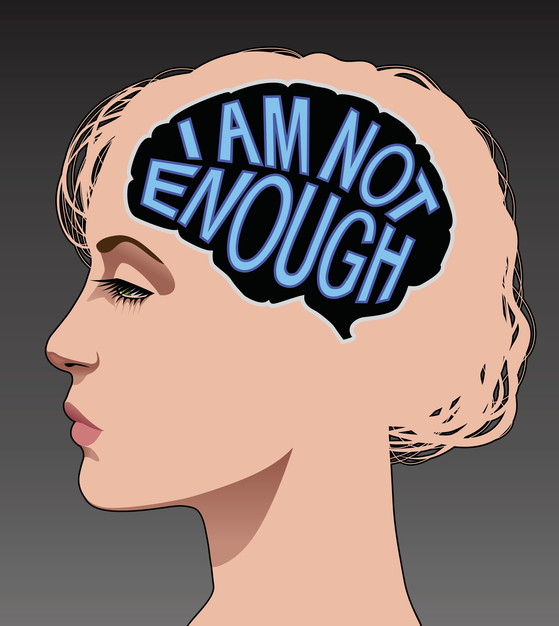
A new study suggests that hormone therapy might help with perimenopausal depression. But is it safe for you?
Hormone therapy has long been a controversial topic, and a new study about the role of hormones in depression is adding some fodder to the debate. A study published in the January 10 issue of JAMA Psychiatry determined that hormone therapy may help ward off symptoms of depression in women. Researchers found that perimenopausal and early postmenopausal women who were treated with hormones were less likely to experience symptoms of depression than women in the study who were given a placebo.
But while the findings of the study are important — particularly considering that a woman's risk of depression doubles or even quadruples during the menopausal transition — that doesn't mean hormone therapy should be widely used for preventing depression in women at this stage of life, says Dr. Hadine Joffe, the Paula A. Johnson Associate Professor of Psychiatry in Women's Health at Harvard Medical School, who wrote an editorial accompanying the study. "It's not a 'never,' but it shouldn't be a standard approach; in general, all of medicine has moved away from using hormones for prevention," she says.

Cultivating joy as a family
The pandemic has been difficult for everyone, but particularly for families. Everyone is feeling so much uncertainty and stress, but one thing we can do is look for ways to create small moments of joy every day. Games, activities, creativity, being outdoors — there are simple, fun ways to be together and make memories.
Even a little exercise linked with lower stroke risk in people with afib
Testosterone therapy without evidence of deficiency may boost heart risk
Weight-loss drug may lower risk of heart attacks and infections
What to eat on the DASH diet
Migraine: How it's diagnosed and what that means
Tricep workouts you can do at home
Mindfulness practices to reduce stress and improve focus
Antihistamines may not offer meaningful relief from eczema symptoms
Overweight and taking blood pressure medications: Study finds it's a trend that's working
FDA approves first mRNA-based flu vaccine
Free Healthbeat Signup
Get the latest in health news delivered to your inbox!
Sign Up
