

Even a little exercise linked with lower stroke risk in people with afib

Testosterone therapy without evidence of deficiency may boost heart risk

Weight-loss drug may lower risk of heart attacks and infections

What to eat on the DASH diet

Migraine: How it's diagnosed and what that means

Tricep workouts you can do at home

Mindfulness practices to reduce stress and improve focus

Antihistamines may not offer meaningful relief from eczema symptoms

Overweight and taking blood pressure medications: Study finds it's a trend that's working

FDA approves first mRNA-based flu vaccine
Inflammatory bowel disease (IBD) Archive
Articles

Why did the FDA issue a fecal transplant warning?
Ask the doctors
Q. I heard that the FDA recently issued a warning related to a specific treatment for Clostridium difficile infections. Can you explain what this warning is about?
A. The FDA issued a warning in June aimed at health care providers who are using fecal transplants to treat Clostridium difficile (C. difficile) infections that have not responded to traditional treatments, such as antibiotics. Doctors perform fecal transplants (which are still considered investigational by the FDA) by introducing stool from a healthy donor into the gastrointestinal tract of the person infected with C. difficile. The introduction of healthful bacteria can sometimes treat the infection, which typically inflames the colon causing symptoms such as severe diarrhea, cramps, and fever. The FDA issued its warning after two immunocompromised adults developed infections from an antibiotic-resistant strain of Escherichia coli (E. coli) following transplants from stool contaminated with the bacteria. Both people got transplants from the same donor. One of the two people died following the infection. To prevent similar problems in the future, the FDA now recommends that doctors performing these transplants follow some new safety measures, including the following:

The state of gas
Excess gas can be annoying, but is it cause for concern?
Gas is a normal — yet embarrassing — part of digestion. "We're all pretty gassy as individuals," says Dr. Kyle Staller, a gastroenterologist with Harvard-affiliated Massachusetts General Hospital.
In fact, the average person produces between 1/2 and 1 liter of gas every day and passes gas about 10 to 20 times. "While people may not like it when they do it, especially at inappropriate times, it's just a sign of a regular, healthy digestive system at work," says Dr. Staller.

By the way, doctor: Does long-term use of Prilosec cause stomach cancer?
Q. I've been taking Prilosec for many years for GERD. Recently, I once read that long-term use of proton pump inhibitors could increase the risk of stomach cancer. Your opinion?
A. Prilosec is a pump inhibitor (PPI). These drugs have revolutionized the treatment of gastroesophageal reflux disease (GERD), in which stomach acid flows back into the esophagus and causes heartburn.

By the way, doctor: What can I do about excessive belching and feeling full?
Q. I belch a lot and get a feeling of fullness in the upper abdomen. Is excessive belching a common condition? What are the causes and cures? I would prefer natural remedies.
A. Belching and feeling full are normal, everyday experiences. So, what makes them "excessive"? There's no precise definition. But if you start belching or feeling full more often than you have in the past, or if belching and fullness are causing you distress and discomfort, then I'd consider that excessive belching and a problem that you should try to solve.


The latest deadly superbug, and why it's not time to panic
Infections from a drug-resistant fungus have been occurring around the world for the past decade. It's not cause for panic, but it's wise to understand the facts and ways to protect yourself.

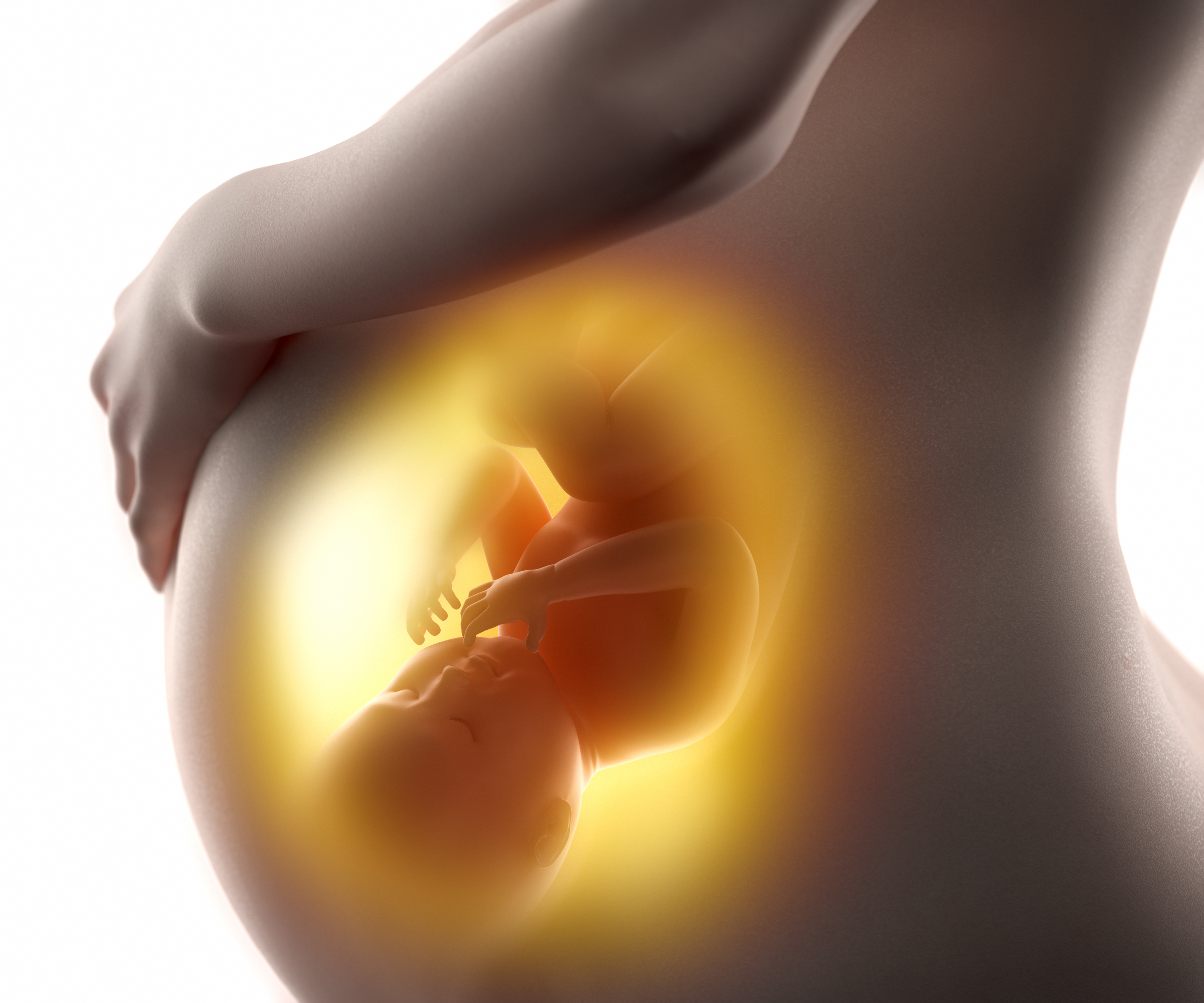

What does heartburn feel like?
Ask the doctor
Q. I think I have heartburn, but I hear that what feels like heartburn is sometimes a more serious condition. How do I know if I have heartburn?
A. You've asked an important question. "Heartburn" describes symptoms caused by the reflux of stomach acid up into the esophagus (the tube that carries food from the mouth down to the stomach). It is a burning sensation. You can feel it high in the abdomen, just below the bottom of the breastbone, or underneath the middle of the breastbone in the chest. In other words, despite the word "heart" in the word "heartburn," real heartburn comes not from the heart, but from the stomach and esophagus.
Even a little exercise linked with lower stroke risk in people with afib
Testosterone therapy without evidence of deficiency may boost heart risk
Weight-loss drug may lower risk of heart attacks and infections
What to eat on the DASH diet
Migraine: How it's diagnosed and what that means
Tricep workouts you can do at home
Mindfulness practices to reduce stress and improve focus
Antihistamines may not offer meaningful relief from eczema symptoms
Overweight and taking blood pressure medications: Study finds it's a trend that's working
FDA approves first mRNA-based flu vaccine
Free Healthbeat Signup
Get the latest in health news delivered to your inbox!
Sign Up
