
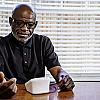
Reading the current blood pressure guidelines

Oat vs. dairy milk: Nutrition, benefits, and downsides

Microplastics: A hidden health threat?

Healing after food poisoning

What is tempeh? Benefits, nutrition, and how to use it

Light exposure at night may raise risk for heart disease

Whole grains may improve several heart risk factors at once

A lumbar belt may help ease low back pain

Children of centenarians may stay healthier and live longer too, study finds

Signs of pneumonia: Sometimes vague and unexpected
Independent Living Archive
Articles

6 things to do when heading for the hospital
It's important to take certain steps before a hospital stay, if planning is possible. Examples include packing printed copies of one's living will and health care proxy form; alerting one's health care proxy about details of the stay, including what should or shouldn't be done if the proxy needs to make decisions; packing additional clothing in case the stay lasts longer than expected; arranging to have a friend present for hospital discharge instructions; and arranging for a ride home.

More evidence suggests multivitamins slow cognitive decline
A 2024 randomized controlled trial provides more evidence that taking a daily multivitamin pill offers protection against cognitive decline. The study involved more than 5,000 people (ages 60 or older). Some took a daily multivitamin pill. Others took a placebo. After two years and tests measuring cognitive ability before and after the study period, people who took the vitamins showed slower cognitive decline than people who took a placebo. This was seen consistently in all groups of people.

Trending now: Home sleep tests
Home sleep tests are often the preferred approach to detect obstructive sleep apnea. They use less equipment and cost less than studies done in sleep labs. Because people get to conduct the test in their own beds, they are more comfortable than they would be in a sleep lab, and the test is more likely to capture a person's natural sleep habits. But the tests aren't always accurate. And someone with a serious chronic condition, such as heart failure or a breathing disorder, might need additional data from an in-lab study.

Smartphone-based mall walking program may boost step counts
A 2024 study found that a smartphone-based mall walking program may motivate people-especially women and older adults-to walk more.

Advice for aging exercise enthusiasts
People who routinely exercise far more than the federal activity guidelines recommend will likely reap heart and longevity benefits. But they should be sure not to neglect other heart-healthy habits, such as getting routine check-ups, keeping tabs on their risk factors, following a healthy diet, and paying attention to heart-related symptoms.


Is blood sugar monitoring without diabetes worthwhile?
Implantable blood sugar monitoring devices known as CGMs have revolutionized care for millions of people with diabetes. Now several companies are marketing them for people without diabetes to monitor blood sugar levels -- but is there any evidence for health benefits?

What? Another medical form to fill out?
It can be frustrating to be asked to fill out medical forms yet again for a health care visit. But even if you have an electronic medical record, a practice might need you to provide or update information, and it's helpful to know what is most important or likely to be requested.

Reading the current blood pressure guidelines
Oat vs. dairy milk: Nutrition, benefits, and downsides
Microplastics: A hidden health threat?
Healing after food poisoning
What is tempeh? Benefits, nutrition, and how to use it
Light exposure at night may raise risk for heart disease
Whole grains may improve several heart risk factors at once
A lumbar belt may help ease low back pain
Children of centenarians may stay healthier and live longer too, study finds
Signs of pneumonia: Sometimes vague and unexpected
Free Healthbeat Signup
Get the latest in health news delivered to your inbox!
Sign Up
