
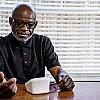
Reading the current blood pressure guidelines

Oat vs. dairy milk: Nutrition, benefits, and downsides

Microplastics: A hidden health threat?

Healing after food poisoning

What is tempeh? Benefits, nutrition, and how to use it

Light exposure at night may raise risk for heart disease

Whole grains may improve several heart risk factors at once

A lumbar belt may help ease low back pain

Children of centenarians may stay healthier and live longer too, study finds

Signs of pneumonia: Sometimes vague and unexpected
Independent Living Archive
Articles

Afraid to visit the doctor?
Medical anxiety is a fear of doctors and medical settings. Nearly half of American adults in 2023 reported feeling anxious before a doctor's appointment, and four in 10 said their anxiety compels them to put off seeing a doctor. Medical anxiety can stop people from seeking preventive care or necessary treatments, jeopardizing their health. People with medical anxiety may be fearful of needles or shots, a painful test or procedure, or receiving bad news or a serious diagnosis.

Three eye diseases linked to a higher risk of falls
According to a 2024 study, older adults with cataracts, age-related macular degeneration, or glaucoma are more likely to suffer falls compared with those without these eye diseases.

Two-dose shingles vaccine is still highly effective after four years
A 2024 study found that two doses of the recombinant zoster vaccine to prevent shingles remains highly effective after four years.

Try this: Balancing act
Balancing on one leg for 10 seconds or longer is a good way to improve balancing skills.

Night owls may face higher diabetes risks
A 2023 study suggests that women who prefer to stay up and wake up later are more likely to develop diabetes and to have unhealthful lifestyle habits compared with those who prefer to go to bed and wake up earlier.

Toothbrushing tied to lower pneumonia rates in hospitalized patients
A 2023 study suggests that toothbrushing twice daily can lower rates of hospital-acquired pneumonia in seriously ill hospitalized patients.

Hearing aid use linked to longer life
A 2024 study found that the risk of premature death was 24% lower among people who used hearing aids regularly, compared with people who never used hearing aids.

What to do about medical gaslighting
Medical gaslighting describes when health care professionals seem to invalidate or ignore a patient's concerns. It can have many causes, such as a health care provider who has poor communication skills, limited time to speak with a patient, a lack of medical knowledge, or unconscious bias. Someone who suspects gaslighting is occurring during an appointment might try to reframe or rephrase health concerns or questions, or ask a buddy to speak on his or her behalf. If there's no resolution, it might be a good idea to get a different clinician.

Is U.S. life expectancy getting shorter?
A 2023 study found that between the 1930s and the mid-1980s, life expectancy in the United States was generally longer than in other wealthy nations. However, since the mid-1980s, the United States has been doing progressively and dramatically worse. Among many reasons for this change is the fact that the country doesn't make health care as widely available to all citizens as do other wealthy countries. For example, tens of millions of people in the United States do not have health insurance. Ultimately, it will be up to society to make health improvements nationwide.

Reading the current blood pressure guidelines
Oat vs. dairy milk: Nutrition, benefits, and downsides
Microplastics: A hidden health threat?
Healing after food poisoning
What is tempeh? Benefits, nutrition, and how to use it
Light exposure at night may raise risk for heart disease
Whole grains may improve several heart risk factors at once
A lumbar belt may help ease low back pain
Children of centenarians may stay healthier and live longer too, study finds
Signs of pneumonia: Sometimes vague and unexpected
Free Healthbeat Signup
Get the latest in health news delivered to your inbox!
Sign Up
