

Naturally gluten-free foods

Harvard study: Healthier fats linked to longer life after prostate cancer diagnosis

Shingrix shingles vaccine linked with lower heart disease risks

Estrogen-only hormone therapy tied to lower dementia risk

Should you have a hysterectomy?

Stair climbing may significantly lower cardiovascular risks

Why do I sweat so much?

Walking pneumonia: The "mild" illness that can still pack a punch

What causes knee pain: How doctors make a diagnosis

Where you carry excess weight matters in predicting heart disease risk
Independent Living Archive
Articles


Why do I shrink in height as I age?
Around age 40, most people lose some height, and the decline accelerates with age. This "shrinkage" can be slowed by preventing osteoporosis and improving posture. Getting enough calcium and vitamin D can help increase bone density, and exercises for the back and abdominal muscles can help with posture.

Building better muscle
Men tend to lose as much as 3% to 5% of their muscle mass per decade after age 30, and the muscle-building hormone testosterone gradually declines after age 40. This makes it harder for men to build and maintain muscle as they age. One solution is a well-designed weight training program. Workouts should focus on all major muscles, but men should pay extra attention to leg muscles, which they rely on more for everyday movements as they age.

Navigating a doctor shortage
A 2026 study indicates a precipitous decline in the number of primary care providers in the United States accepting new patients. Without a primary care doctor, people are more vulnerable to serious medical problems and may have trouble getting regular tests and prescriptions.
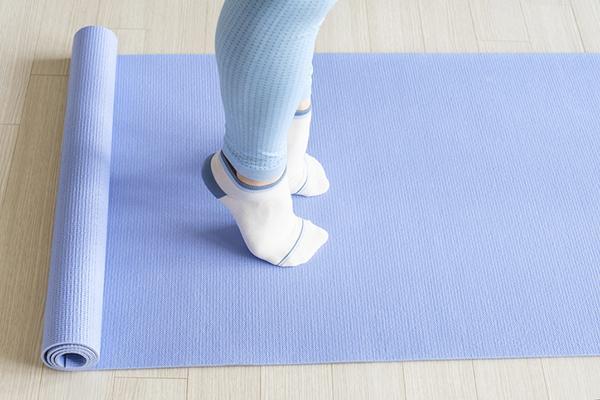
Stay strong at any age with 4 basic exercises
Muscles naturally weaken over time. But people can preserve strength and retain function with regular physical activity, including exercises to build lower-body strength. Four daily exercises are sit‑to‑stands, glute sets, heel raises, and single‑leg stands.

How can technology help people manage their health between — and during — doctor visits?
Data from apps or wearable devices can help people spot patterns, track changes, and notice potential problems earlier—information that’s valuable both between and during clinician appointments.




Naturally gluten-free foods
Harvard study: Healthier fats linked to longer life after prostate cancer diagnosis
Shingrix shingles vaccine linked with lower heart disease risks
Estrogen-only hormone therapy tied to lower dementia risk
Should you have a hysterectomy?
Stair climbing may significantly lower cardiovascular risks
Why do I sweat so much?
Walking pneumonia: The "mild" illness that can still pack a punch
What causes knee pain: How doctors make a diagnosis
Where you carry excess weight matters in predicting heart disease risk
Free Healthbeat Signup
Get the latest in health news delivered to your inbox!
Sign Up
