

CoQ10: Should you take this popular supplement if you're on a statin?

Oat vs. dairy milk: Nutrition, benefits, and downsides

Microplastics: A hidden health threat?

Healing after food poisoning

What is tempeh? Benefits, nutrition, and how to use it

Light exposure at night may raise risk for heart disease

Whole grains may improve several heart risk factors at once

A lumbar belt may help ease low back pain

Children of centenarians may stay healthier and live longer too, study finds

Signs of pneumonia: Sometimes vague and unexpected
Independent Living Archive
Articles

Dive into a swimming regimen
Lap swimming offers a total-body workout of strengthening, stretching, and aerobic conditioning.
When you think of a swimming workout, you may envision an athlete pounding away at the water, racing from one end of the pool to the other. But you don't have to break speed records to reap the rewards of swimming back and forth, and you don't even have to do the competitive swimming stroke known as the crawl.
"The pace is up to you, and any stroke is fine. Breaststroke, sidestroke, and backstroke are often favored because a lot of people don't like putting their face in the water, like you have to do with the crawl," says Leigh de Chaves, a physical therapist and clinical supervisor of rehabilitation services at Harvard-affiliated Brigham and Women's Hospital. She also swam competitively in college.

New thinking on daily food goals
Stop aiming for a particular amount of servings in each food category and focus on total daily intake.
Trying to hit the mark on a healthy diet can be challenging. You need to eat enough of the right foods to meet your body's vitamin and mineral needs.
Experts have tried to guide us over the years by recommending goals of daily food servings — such as five to eight servings of fruits and vegetables per day. But your idea of serving sizes may differ from someone else's. That's led to confusion and, now, change.

Medically tailored meal programs linked to fewer hospital stays, lower costs
News briefs
As we've reported before, free medically tailored meals are making a big difference for older adults who have chronic illness or are recovering from a hospital stay. The meals are provided by nonprofit agencies and are customized to your dietary needs — like a potassium-controlled diet if you have kidney disease, or a diet low in vitamin K if you're taking a blood thinner. Now an observational study published online April 22, 2019, by JAMA Network Open suggests that taking part in a free medically tailored meal program is linked to fewer admissions to hospitals and nursing homes, as well as lower medical costs. Researchers looked at about 1,000 adults with health problems such as cancer or diabetes. Half took part in a free medically tailored meal program for about a year; the other half did not. During a two-year follow-up, people who received medically tailored meals had 49% fewer hospital admissions and 72% fewer nursing home admissions than those who did not receive meals. Getting the meals was also tied to a 16% reduction in medical costs each month. To find a program near you, check out the partner section of the Food Is Medicine Coalition (www.fimcoalition.org/partners).
Image: © FredFroese/Getty Images

Walk your dog, break a bone?
News briefs
Owning a dog has many benefits, and a great one is the exercise you get from taking the leashed pet for walks. But there's also a potential risk for older adults who walk their dogs: broken bones. According to a study published online March 6, 2019, by JAMA Surgery, researchers who combed through 13 years' worth of data from emergency departments across the United States identified a rising number of fractures among older adults walking leashed dogs: 1,700 in 2004, climbing to almost 4,400 in 2017. Most (53%) of the bone breaks were in the upper arm, and 17% were hip fractures. Almost 30% of the patients required hospital admission during the study period. Either a large dog (which can knock you down or pull you over) or a small dog (which can get under your feet) can pose a fall risk, especially if you have problems with balance. How can you protect yourself? The authors suggest obedience training can help keep Fido from putting you at risk.
Image: © monkeybusinessimages/Getty Images
Bust your belly for a healthier heart
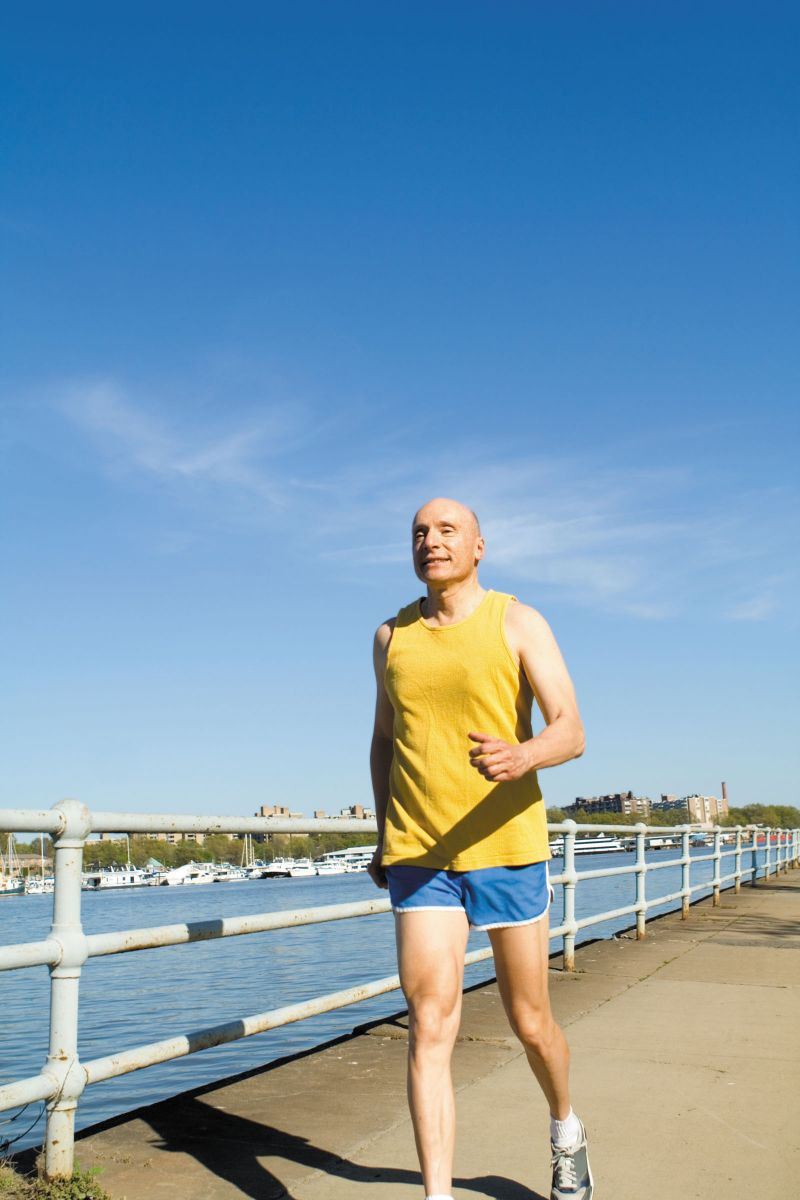
If your abdomen looks like an apple (or a beach ball), it's a sign that something hazardous lies beneath.
What's a telltale sign of potential health problems? Look down. Whether you call it a potbelly or spare tire, this noticeable bulge can be more dangerous than you realize.
"It's common for men to put on a few extra pounds every year as they age, but they really should pay attention to increasing waist size," says Dr. Jody Dushay, an endocrinologist with Harvard-affiliated Beth Israel Lahey Health. "Any extra weight around the waist can be especially detrimental to your health."
A look at better vision
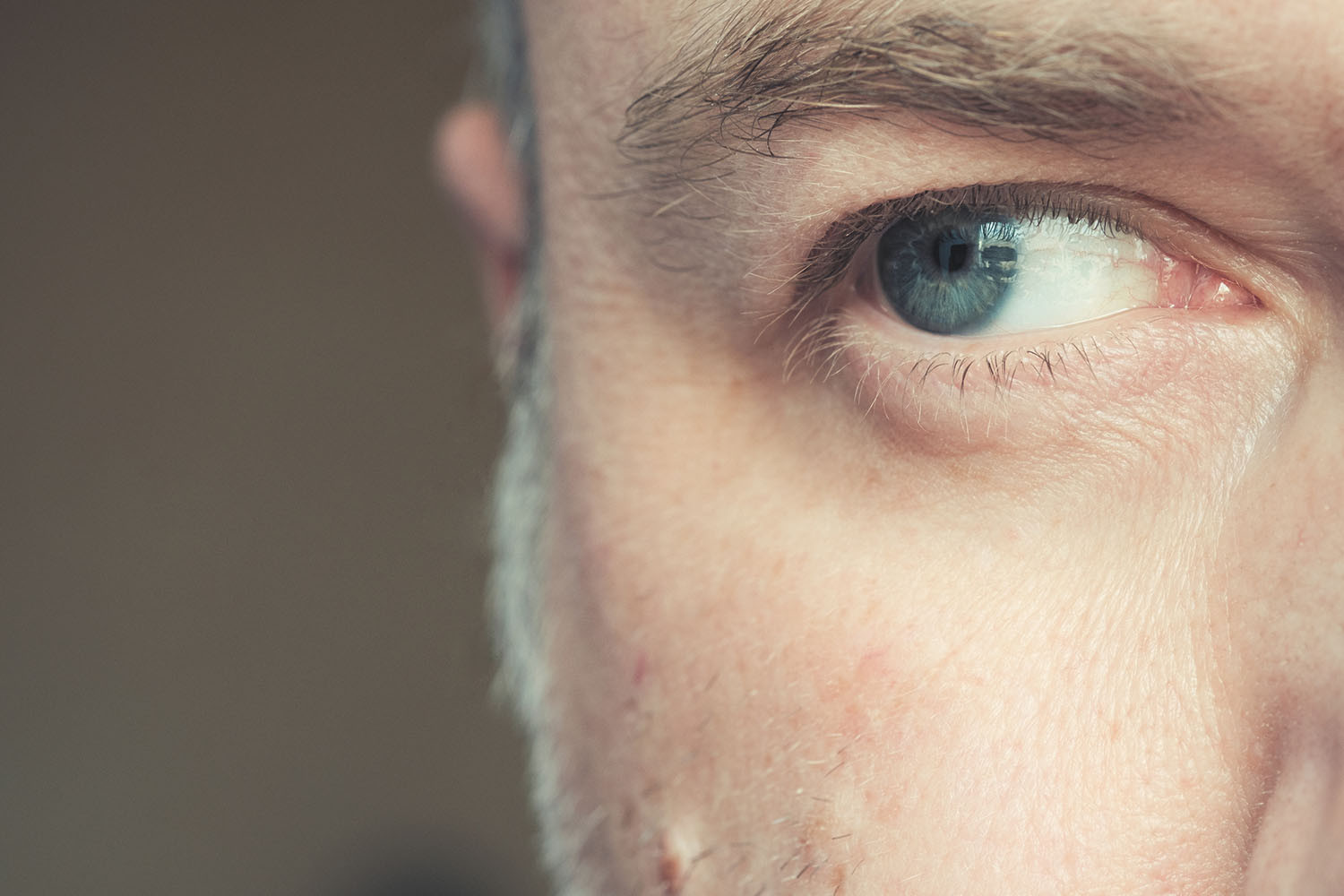
Lens replacement surgery can fix cataracts and eliminate the need for glasses.
There is a good chance you wear some kind of glasses. And there is an even greater chance you one day will need cataract surgery. Now you can take care of both problems at once.
As you age, the lenses inside your eyes lose their flexibility. This process, called presbyopia, leads to the need for reading glasses or bifocal/progressive spectacles as you reach middle age and beyond. Over the years, your lenses also become progressively cloudy, a condition known as cataracts, which causes blurry vision that glasses alone cannot fix.
The larger role of micronutrients
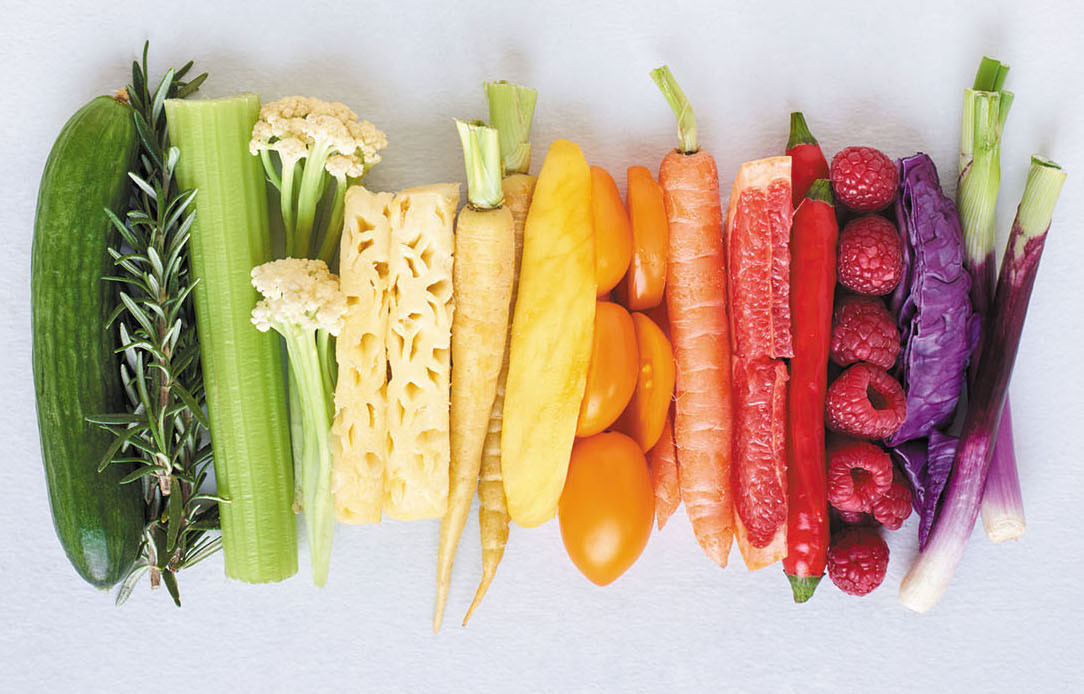
You may need more of them in your daily diet than you think.
The saying goes that good things come in small packages, and that is especially true when it comes to nutrition.
There are two major classes of nutrients in food: macronutrients and micronutrients. Macro means big, and macronutrients take their name from the fact they make up the bulk of the nutrition in the food: carbohydrates, protein, and fat. These nutrients supply your calories and serve as the building blocks for muscles and tissues. Most people get plenty — and sometimes too many — from a regular diet.
Dive in for joint health
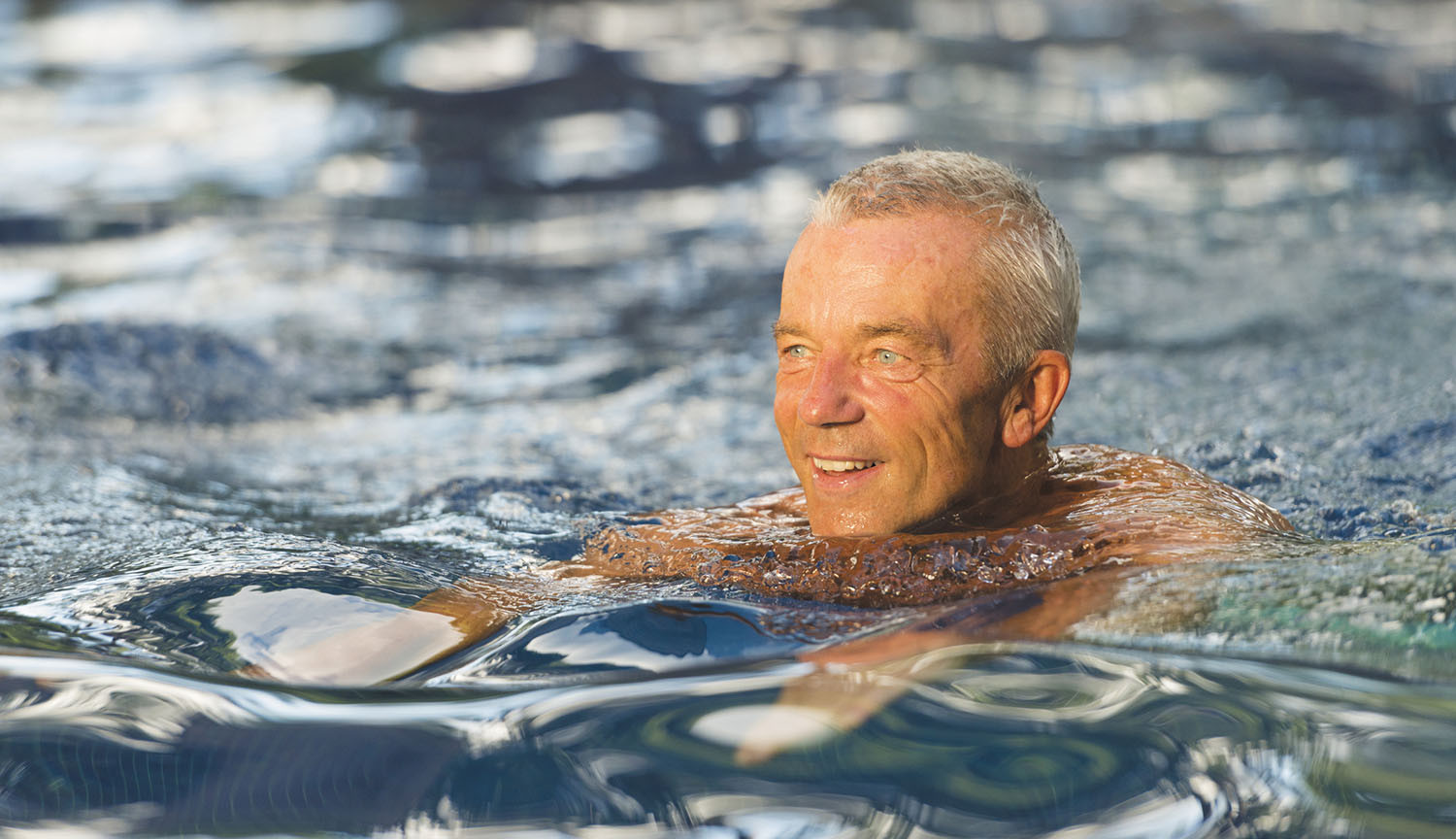
Swimming can keep your joints flexible, reduce stiffness, and increase mobility.
When you were a kid, swimming was no doubt a favorite summertime activity. Now, it may be one of the best ways to keep your older joints healthy.
"As a low-impact activity, swimming places minimal stress on the joints," says Sarah Ellison, an aquatic physical therapist with Harvard-affiliated Spaulding Rehabilitation Network. "The buoyancy of the water allows you to move limbs and joints more easily through their normal range of motion. This helps joints remain supple and improves overall flexibility."

Nutrients from food, not supplements, help you live longer
In the journals
An adequate intake of certain nutrients from food, but not supplements, is linked with a lower rate of death, according to a study in the April 9, 2019, Annals of Internal Medicine.
Researchers looked at the relationship between food and supplements and death from all causes among more than 30,000 adults. The results shows that adequate intakes of vitamin K, vitamin A, magnesium, zinc, and copper were associated with a lower risk of death from cardiovascular disease—but only if they came from food and not supplements.

Bedtime screen time may reduce sleep quality
Research we're watching
Is your smartphone reducing your sleep quality? The National Sleep Foundation's most recent Sleep Health Index found that people who used technology such as phones, tablets, or computers in bed before they went to sleep scored lower on measures of sleep quality than those who didn't. Nearly 50% of American adults polled said they used technology in bed at least once a week, and nearly 30% said they did so every day. Some 21% of adults even said if they woke up during the night they would check their devices before going back to sleep. The National Sleep Foundation says to ensure the best sleep quality, it's best to leave digital distractions for the daytime hours and keep them out of bed.
Image: © Sisoje/Getty Images
CoQ10: Should you take this popular supplement if you're on a statin?
Oat vs. dairy milk: Nutrition, benefits, and downsides
Microplastics: A hidden health threat?
Healing after food poisoning
What is tempeh? Benefits, nutrition, and how to use it
Light exposure at night may raise risk for heart disease
Whole grains may improve several heart risk factors at once
A lumbar belt may help ease low back pain
Children of centenarians may stay healthier and live longer too, study finds
Signs of pneumonia: Sometimes vague and unexpected
Free Healthbeat Signup
Get the latest in health news delivered to your inbox!
Sign Up
