

CoQ10: Should you take this popular supplement if you're on a statin?

Oat vs. dairy milk: Nutrition, benefits, and downsides

Microplastics: A hidden health threat?

Healing after food poisoning

What is tempeh? Benefits, nutrition, and how to use it

Light exposure at night may raise risk for heart disease

Whole grains may improve several heart risk factors at once

A lumbar belt may help ease low back pain

Children of centenarians may stay healthier and live longer too, study finds

Signs of pneumonia: Sometimes vague and unexpected
Independent Living Archive
Articles

How much sleep do we really need?
Ask the doctor
Q. How much sleep do we really need, and what happens if we get too little or too much?
A. We spend about a third of our lives sleeping, so you've asked an important question.

Maximizing home food delivery
Take advantage of the many delivery options to keep your diet fresh, healthy, and full of variety.
Getting groceries or prepared meals without leaving your couch is easier than ever in this era of home delivery. That's important for people who have difficulty getting to the grocery store because they don't drive or because they're struggling with a chronic condition.
But the many options for food delivery may have you wondering where to begin. Here's a look at some widely used services and what to keep in mind when you use them.

5 medications that can cause problems in older age
Prescription and over-the-counter medications may affect you differently now.
Despite the beneficial effects of medications, some drugs need to be used with increasing caution as you age. Drugs that caused few if any side effects in your youth can now cause discomfort or even put you at risk for serious problems such as falls or bleeding.
What's different in older age?
Even though you may have taken a medication for decades, your body may react differently to it later in life. One reason for this is that your metabolism has slowed down. Some medicines need to be processed by your liver to benefit your health; slower digestion and liver function mean it may take longer for a drug to get into your bloodstream. Later, remnants of the medicine need to be eliminated from your body by the liver and kidneys. Slowdowns at this stage mean it may take longer for a drug to leave your body, so its effects last longer.

4 stretches to keep your shoulders in shape
Keeping your shoulder muscles flexible will help prevent injury.
The shoulder is the body's most complicated joint. It's where the ends of the collarbone, upper arm bone, and shoulder blade meet. And it's prone to arthritis (a wearing away of the cartilage between the bones), as well as tears or tendinitis (inflammation) in the rotator cuff — the group of tendons that helps you raise and rotate your arm. Shoulder pain can keep you from being able to raise your arms to get dressed, or reach up to a cupboard or out to a door.
But an easy way to stave off shoulder problems is to regularly stretch the muscles that support the joints. "The muscles need to be long and flexible to stay healthy. You're more vulnerable to injury when your shoulder muscles are tight and restricted," explains Clare Safran-Norton, clinical supervisor of rehabilitation services at Harvard-affiliated Brigham and Women's Hospital.

Skip vitamins, focus on lifestyle to avoid dementia
News briefs
Vitamins and supplements won't help stave off dementia, but a healthy lifestyle might, suggest new guidelines released May 19, 2019, by the World Health Organization (WHO). The WHO warns that the number of new dementia cases around the world — currently 10 million per year — is set to triple by 2050. While there's no cure for any kind of dementia (such as Alzheimer's disease and vascular dementia), the WHO says it may be possible to delay the onset of the disease or slow its progression. The key: managing modifiable risks, such as chronic disease and unhealthy habits. The guidelines recommend that you keep your weight, cholesterol, blood pressure, and blood sugar under control; get lots of exercise; and eat a Mediterranean-style diet (which emphasizes olive oil, fruits, vegetables, nuts, and fish; minimizes red meats and processed meats; and includes a moderate amount of cheese and wine). The WHO also advises that you don't smoke and you avoid harmful use of alcohol (no more than one drink per day for women, no more than two drinks for men). But don't count on supplements to help you stave off dementia. The WHO says there's no evidence that vitamin B, vitamin E, multivitamins, or fish oil supplements help reduce the risk for dementia. The agency recommends against using supplements as a means to ward off cognitive decline.
Image: © kali9/Getty Images
Ultra-processed foods appear to cause overeating and weight gain
News briefs
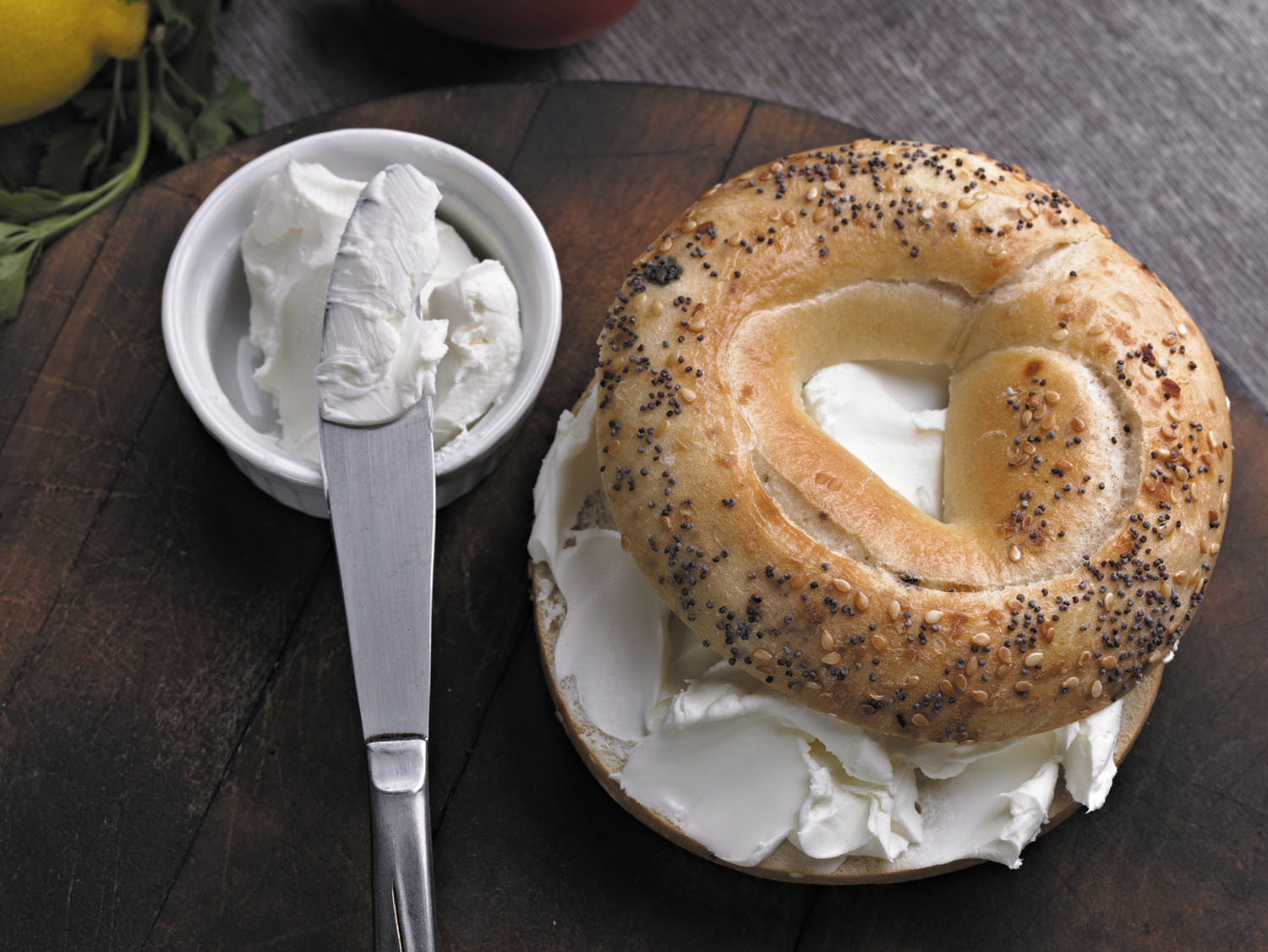
Eating food that's ultra-processed — not just chips or cookies, but also things like breakfast cereal, deli meat, or canned fruit in syrup — makes people overeat and gain weight, compared with eating food that's unprocessed. That's according to a small randomized controlled trial published online May 16, 2019, by Cell Metabolism. It involved 20 men and women who stayed at a research facility for a month and were randomly assigned to one of two diets. One group was given ultra-processed foods (such as a breakfast of a bagel with cream cheese and turkey bacon), and the other group was fed unprocessed foods (such as a breakfast of oatmeal with bananas, walnuts, and skim milk). After two weeks, participants were switched to the opposite diets. Both diets were evenly matched for total calories, macronutrients, fiber, sugars, and sodium, and participants were allowed to eat as much or as little as they wanted. But they ate more calories when they were eating ultra-processed foods, compared with when they ate unprocessed foods, and they gained more weight on the ultra-processed diet. Why? It's not exactly clear, but researchers did find that appetite-suppressing hormones decreased and hunger hormones increased when people ate processed foods. Bottom line: Eat whole, unprocessed foods with as few ingredients as possible.
Image: © 4kodiak/Getty Images

Take a stand against heart disease
Sedentary time is one of the greatest threats to heart health.
First, the good news: more Americans than ever are considered active. A new report on heart disease and stroke statistics, published March 5, 2019, in Circulation, found the proportion of active adults increased from about 60% to 73% between 2007 and 2016.
Now, the bad news: despite this impressive increase, the same report found that almost one-quarter of American adults still don't meet the federal guidelines for physical activity.

The state of gas
Excess gas can be annoying, but is it cause for concern?
Gas is a normal — yet embarrassing — part of digestion. "We're all pretty gassy as individuals," says Dr. Kyle Staller, a gastroenterologist with Harvard-affiliated Massachusetts General Hospital.
In fact, the average person produces between 1/2 and 1 liter of gas every day and passes gas about 10 to 20 times. "While people may not like it when they do it, especially at inappropriate times, it's just a sign of a regular, healthy digestive system at work," says Dr. Staller.
Counting on calories
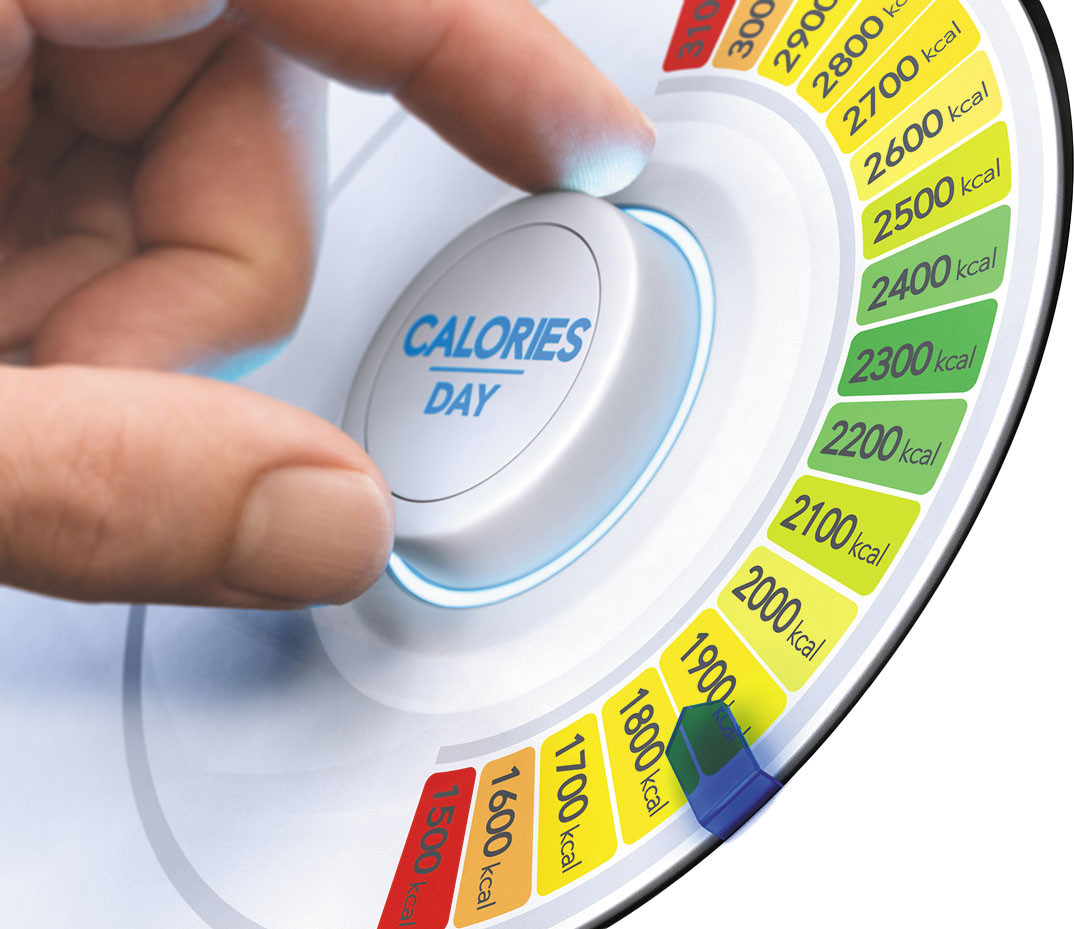
How many daily calories do you really need? It depends on many factors.
When it comes to nutrition, calories embody the ultimate love-hate relationship. Consume too little, and you don't have the energy to function at your best. Eat too much, and you risk weight gain. It's no surprise, then, that counting calories can be such an obsession.
But how much do you really need every day? Unfortunately, there is not a single, simple answer. Men ages 50 and older require 2,000 to 2,800 calories per day, or an average of about 2,500, says Dr. Qi Sun, associate professor in the Department of Nutrition at the Harvard T.H. Chan School of Public Health.
Join the resistance
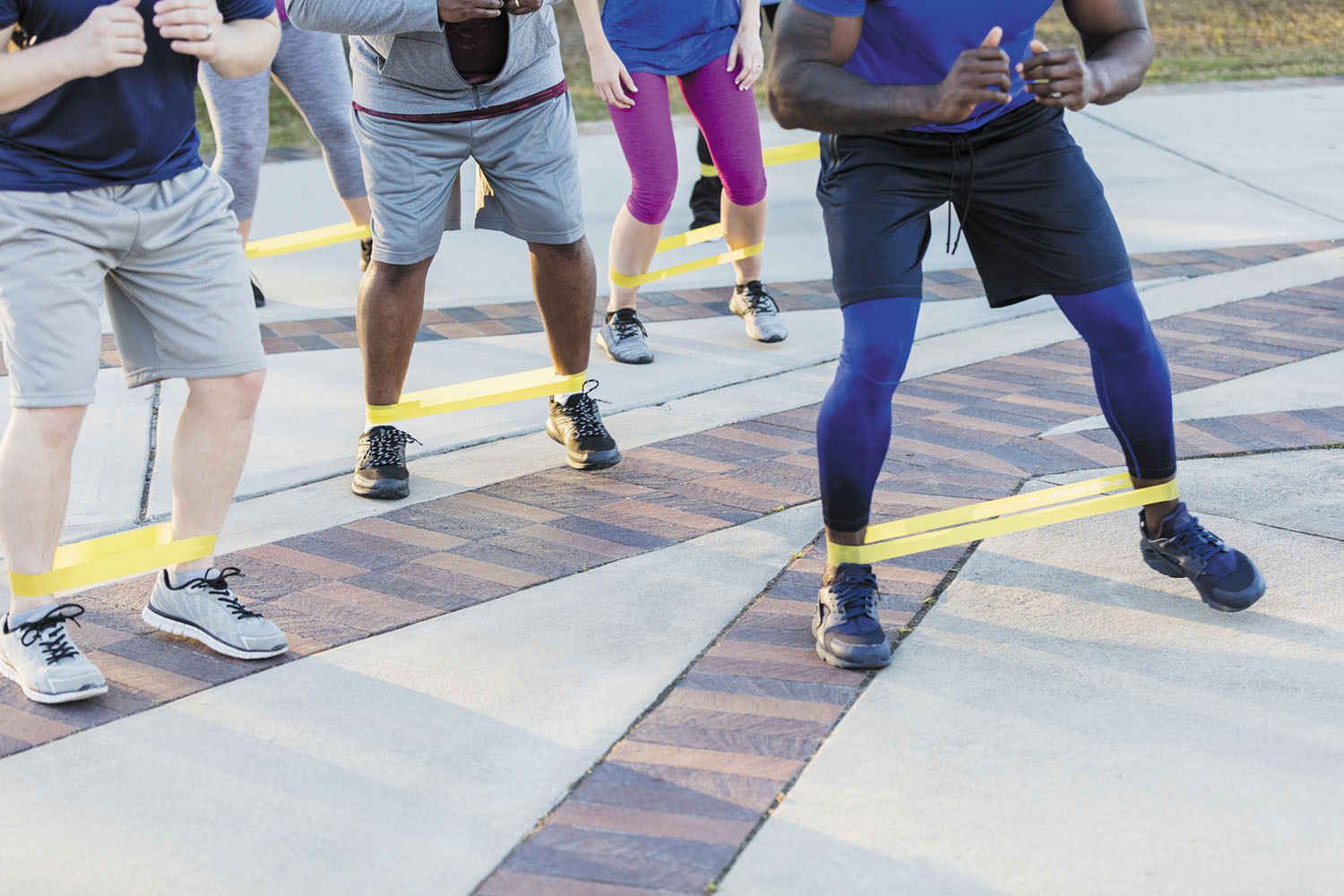
Resistance bands offer an easy way to get an all-around strength workout at home.
They are cheap and lightweight. They travel well, and you can do almost any kind of muscle-strengthening exercise with them. They are giant rubber bands known as resistance bands, and they should be part of every man's exercise toolbox.
"Whether you need to focus on specific areas or need to better control exercise resistance — like when recovering from an injury or dealing with joint pain — bands offer something for almost anyone, no matter his physical health, limitations, or fitness goals," says physical therapist Shawn Pedicini with Harvard-affiliated Spaulding Rehabilitation Network.
CoQ10: Should you take this popular supplement if you're on a statin?
Oat vs. dairy milk: Nutrition, benefits, and downsides
Microplastics: A hidden health threat?
Healing after food poisoning
What is tempeh? Benefits, nutrition, and how to use it
Light exposure at night may raise risk for heart disease
Whole grains may improve several heart risk factors at once
A lumbar belt may help ease low back pain
Children of centenarians may stay healthier and live longer too, study finds
Signs of pneumonia: Sometimes vague and unexpected
Free Healthbeat Signup
Get the latest in health news delivered to your inbox!
Sign Up
