

Fatty liver disease: Should you be tested?

Even a little exercise linked with lower stroke risk in people with afib

Testosterone therapy without evidence of deficiency may boost heart risk

Weight-loss drug may lower risk of heart attacks and infections

Migraine: How it's diagnosed and what that means

Tricep workouts you can do at home

Mindfulness practices to reduce stress and improve focus

Antihistamines may not offer meaningful relief from eczema symptoms

Overweight and taking blood pressure medications: Study finds it's a trend that's working

FDA approves first mRNA-based flu vaccine
Immune and infectious diseases Archive
Articles

Got a cold? Try some honey
In the journals
If winter brings you a sore throat and coughing, a spoonful of honey can be quite soothing. And it might even reduce symptoms from an upper respiratory tract infection, suggests a review of studies published online Aug. 18, 2020, by BMJ Evidence-Based Medicine. Upper respiratory infections (such as colds) are viral illnesses that affect the nose, throat, voice box, and large airways that lead to the lungs. Symptoms include a stuffy nose, congestion, sore throat, and cough. Researchers reviewed 14 studies of almost 1,800 people with upper respiratory infections being treated with either honey or usual methods (antihistamines, expectorants, cough suppressants, and painkillers). Honey appeared to improve symptoms (especially cough frequency and severity), and in some cases shorten the duration of symptoms by a day or two. The findings were only observational and don't prove honey is a cure. But honey has antimicrobial properties, and scientists say that in adults (but not in kids age one or younger), it's a harmless way to address symptoms.
Image: © Wojtek Skora/Getty Images

Keeping your family safe this Thanksgiving
This year, the safest choice for celebrating Thanksgiving is to do so at home only with those you live with, yet some people are still going to want to gather. If you are considering celebrating with others, there are some things you can do to help limit COVID-related risks.


Sick child this school year? Planning for the inevitable during a pandemic

Bracing for contact tracing

Communities of color devastated by COVID-19: Shifting the narrative
Communities of color, which have long struggled against health disparities, have been affected much more severely by the COVID-19 pandemic than white communities. Now is the time to take stock of misconceptions, mistrust, and missteps that helped fuel infection rates and devastating outcomes last spring.

Promoting equity and community health in the COVID-19 pandemic
At one Boston health care system a range of initiatives aimed at improving health care equity were launched as the pandemic swept forward last spring, taking a disproportionate toll on communities of color. Building on this could prove key as the virus resurges this winter.

Illness-related fatigue: More than just feeling tired
It’s normal to feel tired, especially during the pandemic, and most people are able to push through the feeling and deal with their daily tasks. But fatigue that is caused by a specific illness is different, and it’s important to recognize these differences so you can be properly diagnosed and treated.

Coping with the loss of smell and taste
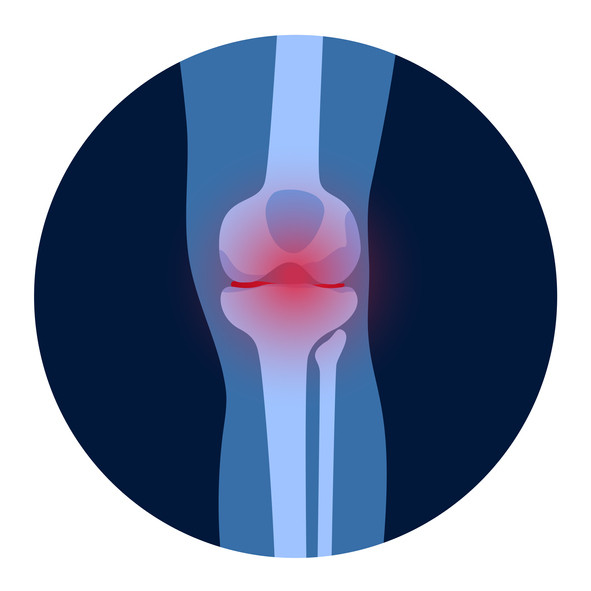
Stopping osteoarthritis: Could recent heart research provide a clue?
Currently no medication can slow the progress of osteoarthritis. And while a reanalysis of a study of people with heart disease suggests a promising approach, more definitive research will be necessary to confirm this.
Fatty liver disease: Should you be tested?
Even a little exercise linked with lower stroke risk in people with afib
Testosterone therapy without evidence of deficiency may boost heart risk
Weight-loss drug may lower risk of heart attacks and infections
Migraine: How it's diagnosed and what that means
Tricep workouts you can do at home
Mindfulness practices to reduce stress and improve focus
Antihistamines may not offer meaningful relief from eczema symptoms
Overweight and taking blood pressure medications: Study finds it's a trend that's working
FDA approves first mRNA-based flu vaccine
Free Healthbeat Signup
Get the latest in health news delivered to your inbox!
Sign Up
