

Estrogen-only hormone therapy tied to lower dementia risk
Should you have a hysterectomy?

Stair climbing may significantly lower cardiovascular risks

Why do I sweat so much?

Walking pneumonia: The "mild" illness that can still pack a punch

Tai chi walking: What is it and does it work?

What causes knee pain: How doctors make a diagnosis
Sacroiliac joint pain: Causes, symptoms, and exercises that help

Where you carry excess weight matters in predicting heart disease risk

Study: At-home colorectal cancer screening may significantly cut colon cancer deaths
Hysterectomy and surgical menopause Archive
Articles

5 habits for moms that help prevent childhood obesity
It might be surprising to learn that parents can help fight childhood obesity by taking good care of themselves. A new study found that when mothers follow five healthy lifestyle habits, their kids are much less likely to become obese.

Repaying your sleep debt
Why sleep is important to your health and how to repair sleep deprivation effects.
If sleep were a credit card company, many of us would be in deep trouble.
Medical evidence suggests that for optimum health and function, the average adult should get seven to nine hours of sleep daily. But more than 60% of women regularly fall short of that goal. Although each hour of lost slumber goes into the health debit column, we don't get any monthly reminders that we've fallen in arrears.

Bioidentical hormones: Help or hype?
Do these heavily promoted hormones justify the claims made for them?
"Bioidentical" hormones have been promoted as safer and more effective than FDA-approved hormones. The exaggerated claims go beyond relief of menopausal symptoms, suggesting they are a veritable fountain of youth.
It's understandable that women would be interested in a different approach now that long-term use of conventional hormone therapy (HT) does not prevent cardiovascular disease as researchers had hoped.
Clinicians sometimes misread heart attack symptoms in women
Research we're watching
Doctors may be more likely to dismiss heart attack symptoms as not heart-related in women younger than age 55, according to a study published online Feb. 20, 2018, by Circulation. This may be the case because women often report other symptoms in addition to chest pain, said the study's authors.
The researchers interviewed more than 2,000 women and 976 men ages 18 to 55 who were hospitalized for a heart attack — what doctors call acute myocardial infarction (AMI) — at 100 hospitals that are participating in a study. They found that both men and women reported chest pain and pressure, but women were more likely to have other symptoms as well, such as pain in the jaw, neck, and arms; indigestion; or shortness of breath. In addition, women were more likely than men to tell their doctors that they thought the symptoms might be stress-related.
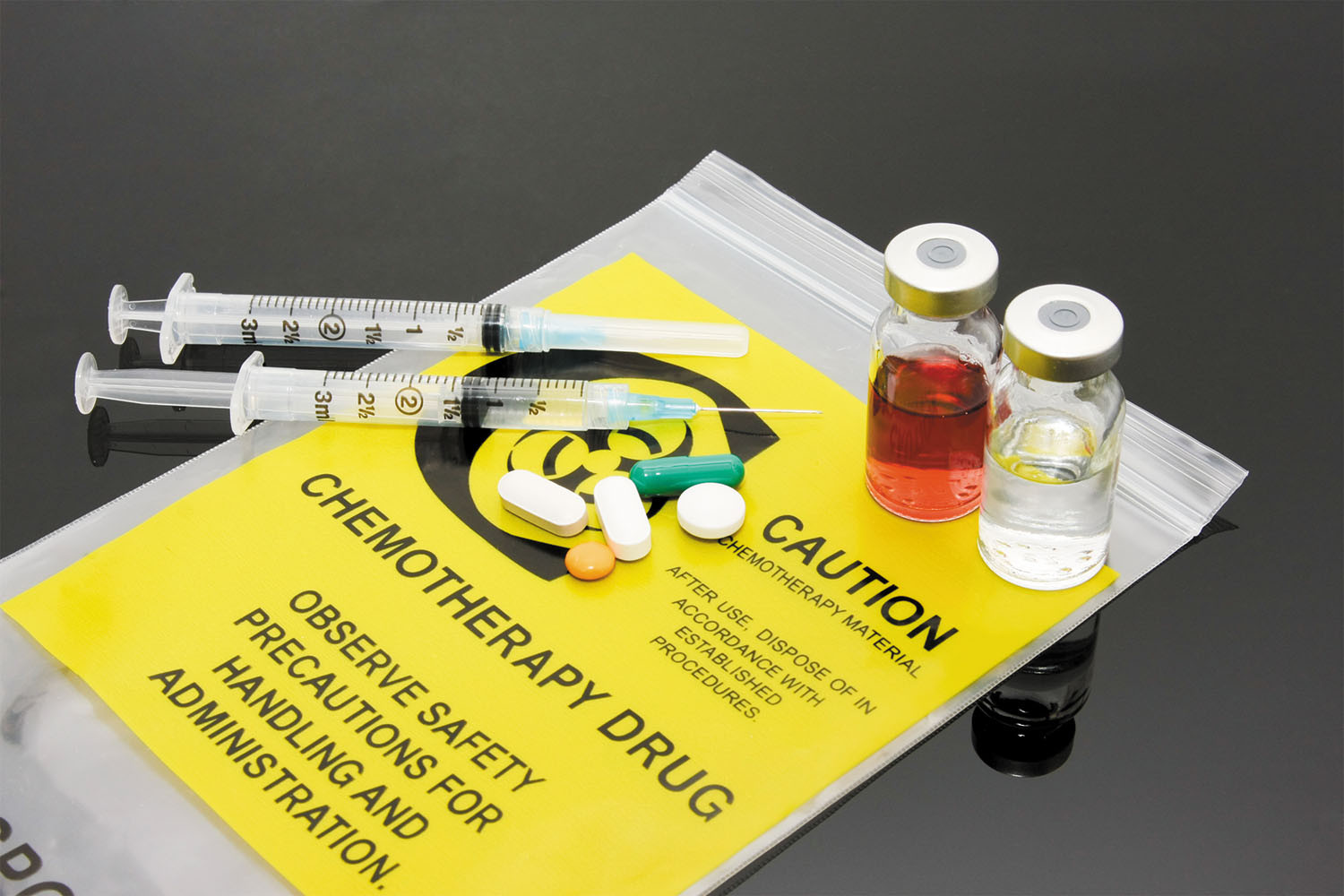
Treatments for breast cancer may harm the heart
But surveillance and other strategies — especially exercise — can limit the risk.
Image: © Khuong Hoang/Getty Images
Better treatments for breast cancer have contributed to the growing number of breast cancer survivors, now about three million in the United States. However, these women may face a heightened risk of heart disease from the cardiotoxic effects of chemotherapy and radiation, according to a statement from the American Heart Association in the Feb. 20, 2018, issue of Circulation.
Doctors have long known that certain cancer drugs can decrease the heart's pumping ability, especially doxorubicin (Adriamycin) and trastuzumab (Herceptin), two common treatments for breast cancer. Many women receive radiation therapy as well, which can cause heart tissue to scar or stiffen, possibly leading to valve disorders, coronary artery disease, or other heart problems. But specialists who focus on keeping the heart healthy during and after cancer treatment — known as cardio-oncologists — can offer strategies to both prevent and treat heart damage from cancer therapy.


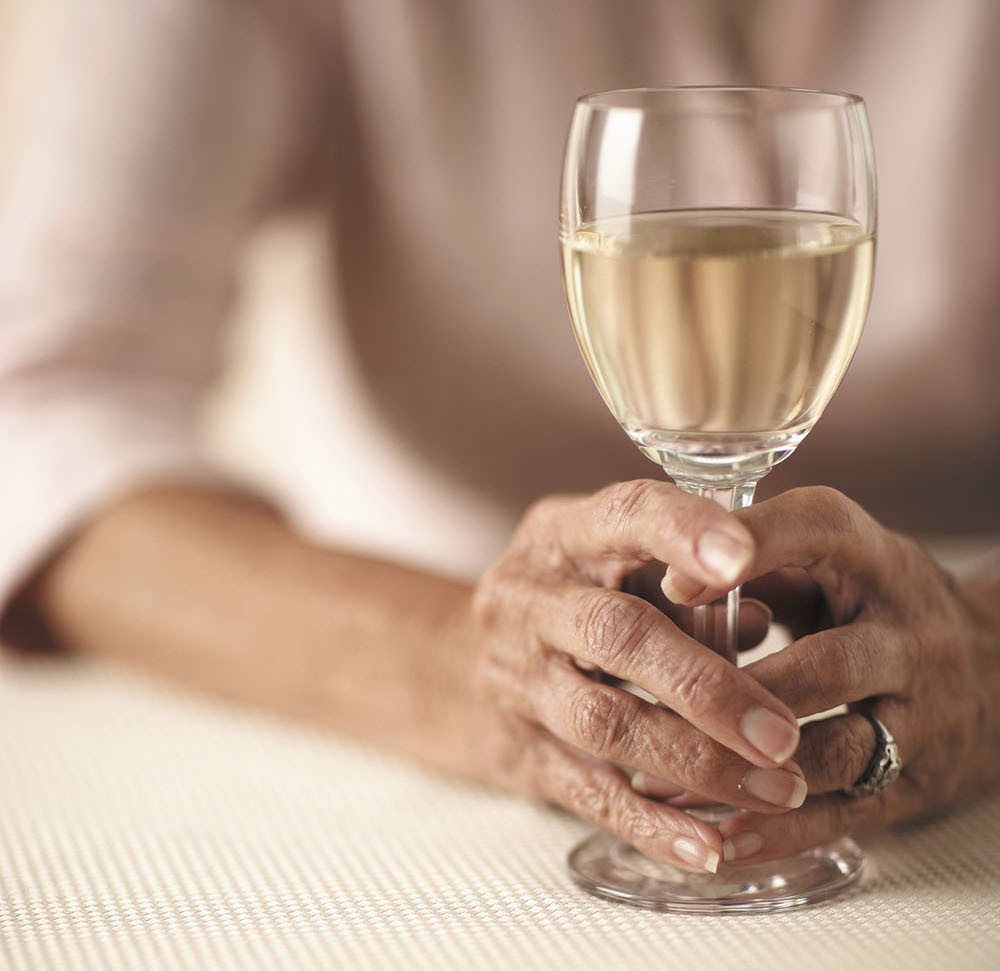
Is your drinking becoming a problem?
Here are some signs of an alcohol use disorder — and ways to find the help you need if you suspect you're drinking too much.
Image: © Thomas Northcut/Thinkstock
The thought of hangovers and binge drinking may conjure an image of a college-age student or a 20-something out on the town. But increasingly, those terms apply to people who probably look a lot like you.
Alcohol use problems often start innocently enough in older women. A problem may begin with a drink at night to combat insomnia, says Dr. Olivera Bogunovic, assistant professor of psychiatry at Harvard Medical School. But then one drink turns into two, and a 9 p.m. cocktail turns into all-day drinking, she says.
Estrogen-only hormone therapy tied to lower dementia risk
Should you have a hysterectomy?
Stair climbing may significantly lower cardiovascular risks
Why do I sweat so much?
Walking pneumonia: The "mild" illness that can still pack a punch
Tai chi walking: What is it and does it work?
What causes knee pain: How doctors make a diagnosis
Sacroiliac joint pain: Causes, symptoms, and exercises that help
Where you carry excess weight matters in predicting heart disease risk
Study: At-home colorectal cancer screening may significantly cut colon cancer deaths
Free Healthbeat Signup
Get the latest in health news delivered to your inbox!
Sign Up
