

Naturally gluten-free foods

Harvard study: Healthier fats linked to longer life after prostate cancer diagnosis

Shingrix shingles vaccine linked with lower heart disease risks

Estrogen-only hormone therapy tied to lower dementia risk

Should you have a hysterectomy?

Stair climbing may significantly lower cardiovascular risks

Why do I sweat so much?

Walking pneumonia: The "mild" illness that can still pack a punch

What causes knee pain: How doctors make a diagnosis
Where you carry excess weight matters in predicting heart disease risk
Hips Archive
Articles

What causes knee pain: How doctors make a diagnosis
Knee pain has many possible causes, including osteoarthritis, meniscus tears, tendon problems, and ligament injuries. Doctors make a diagnosis with targeted questions, a physical examination, and possibly imaging studies. Treatment depends on the diagnosis but often includes medication, physical therapy, and exercise.
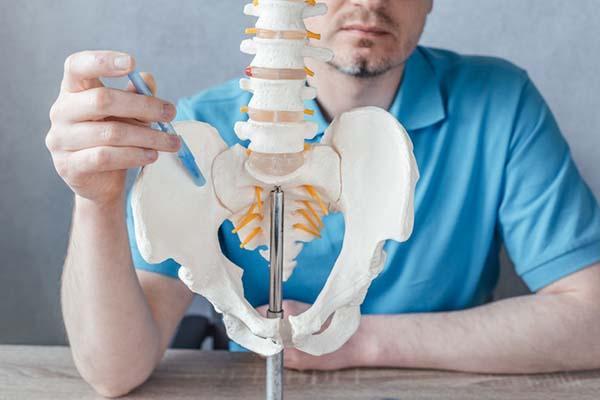
Sacroiliac joint pain: Causes, symptoms, and exercises that help
Sacroiliac joint pain is felt in the lower back and buttocks, usually on one side of the body. The cause is often not known. Common treatments include physical therapy, bracing, steroid injections, and radiofrequency ablation.
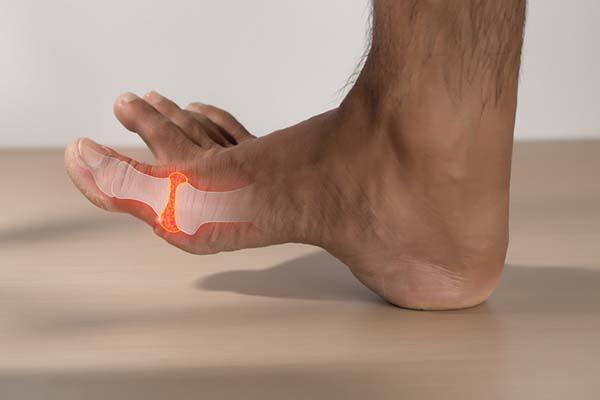
Gout and heart disease: What's the connection?
Many people with gout are at increased risk for heart disease, possibly due to shared risk factors and the effects of chronic inflammation on the heart and blood vessels. Medication to treat gout, along with dietary changes and regular physical activity, can lower risks.
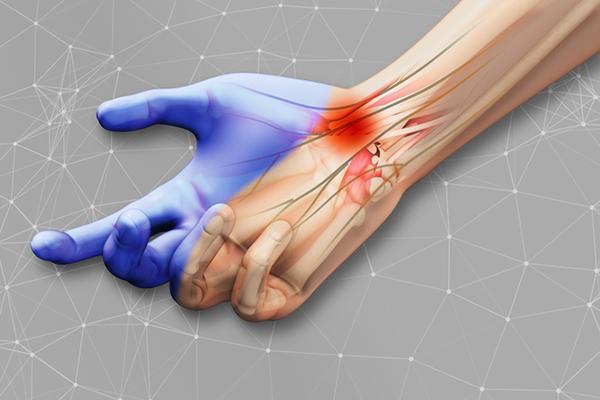
What's the best treatment for carpal tunnel syndrome?
Carpal tunnel syndrome, caused by compression of the median nerve in the wrist, is felt as numbness, tingling, and burning in the fingers, often at night. Early treatment with a wrist splint, ergonomic changes to keep the wrist in a straight position, and exercises can alleviate symptoms.
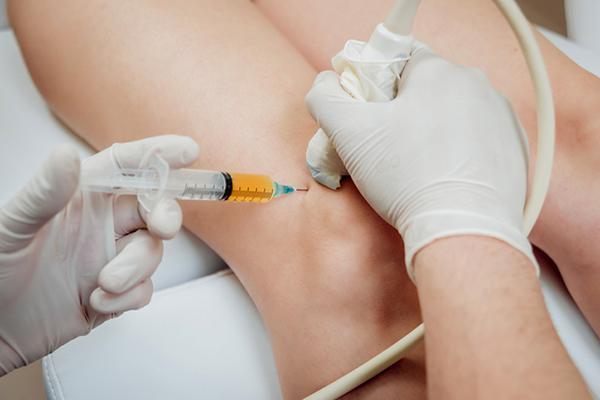
PRP injection for knee osteoarthritis: Does it work?
Platelet-rich plasma (PRP) injections use concentrated platelets from your blood to treat mild to moderate knee osteoarthritis. Research and guidelines support the use of PRP injections when pain and other symptoms persist despite exercise, physical therapy, and use of pain medications.
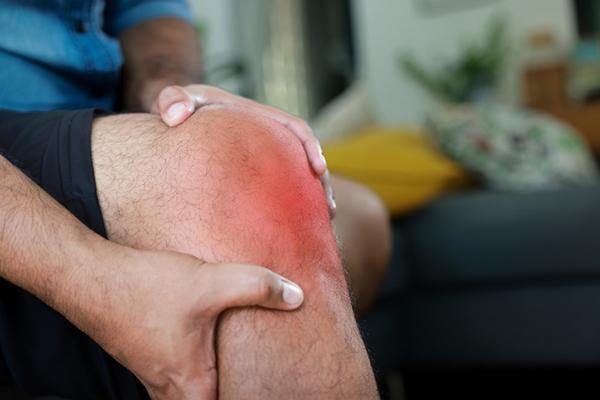
When arthritis is related to Lyme disease
Lyme disease, transmitted by deer ticks, may not be detected early on. If left untreated, the infection can lead to Lyme arthritis, marked by joint swelling, often in the knee. Most cases respond to antibiotics, though some require additional treatment.
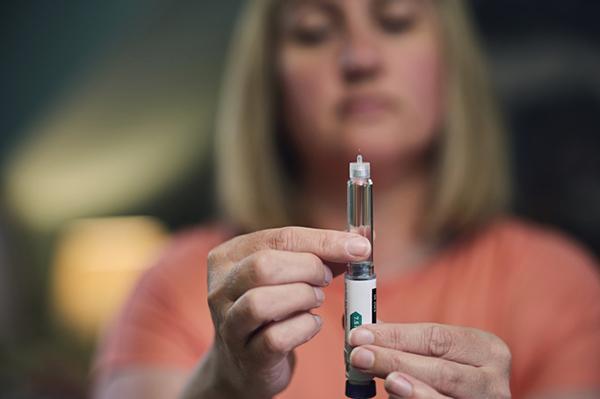
GLP-1 weight-loss drugs may lower the need for knee replacement
GLP-1 drugs, such as semaglutide and tirzepatide, used for diabetes and weight loss, may also reduce knee osteoarthritis pain and delay knee replacement surgery. In a large 2026 study, the use of any GLP-1 was linked to a reduced likelihood of knee replacement over eight years.

What is tarsal tunnel syndrome?
Tarsal tunnel syndrome is a nerve disease most often caused by compression, inflammation, or irritation of the tibial nerve inside the ankle. Symptoms include burning, tingling, and numbness in the foot. It may result from flat feet, injury, or swelling. Standard treatment involves physical therapy and shoes or orthotics with arch support.
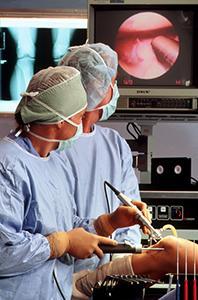
Surgery for a torn meniscus appears to offer no benefit
A 2026 study of adults with degenerative meniscal tears found that, compared with no surgery, a procedure to trim the torn parts of the meniscus did not improve pain, function, or quality of life. Treatment should prioritize physical therapy, anti-inflammatory drugs, and knee braces.
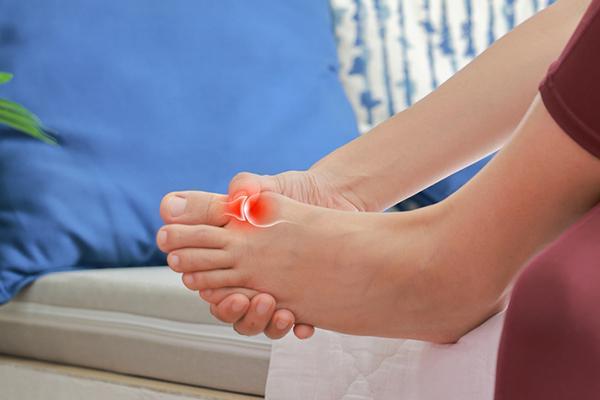
Gout medication to stop flare-ups
Gout is a form of arthritis caused by too much uric acid, which leaves the bloodstream and settles in joints. Uric acid crystals can form in joints, causing redness, swelling and pain—a gout flare. Drugs taken over a long term can lower uric acid levels and prevent flares.
Naturally gluten-free foods
Harvard study: Healthier fats linked to longer life after prostate cancer diagnosis
Shingrix shingles vaccine linked with lower heart disease risks
Estrogen-only hormone therapy tied to lower dementia risk
Should you have a hysterectomy?
Stair climbing may significantly lower cardiovascular risks
Why do I sweat so much?
Walking pneumonia: The "mild" illness that can still pack a punch
What causes knee pain: How doctors make a diagnosis
Where you carry excess weight matters in predicting heart disease risk
Free Healthbeat Signup
Get the latest in health news delivered to your inbox!
Sign Up
