

Salmonella, E. coli, Cyclospora, and other germs that cause food poisoning: What you need to know

Understanding orthorexia: Have your healthy eating goals gone too far?

Melatonin or magnesium: Can either supplement help you sleep?

Naturally gluten-free foods

Harvard study: Healthier fats linked to longer life after prostate cancer diagnosis

Shingrix shingles vaccine linked with lower heart disease risks
Estrogen-only hormone therapy tied to lower dementia risk
Should you have a hysterectomy?

Stair climbing may significantly lower cardiovascular risks

Walking pneumonia: The "mild" illness that can still pack a punch
Heart valve issues Archive
Articles

Beyond "bad" cholesterol: A closer look at your blood lipids
For assessing heart disease risk, a standard cholesterol test doesn't always tell the whole story. Some people with "normal" LDL cholesterol levels might benefit from a test that measures apolipoprotein B (apoB). This test, which measures the number of LDL particles as well as other particles that can contribute to clogged arteries, may be a better indicator of heart disease risk than just an LDL cholesterol value.

Seed of the month: Pumpkin seeds
Pumpkin seeds are one of the best natural sources of magnesium, a mineral that's important for keeping blood pressure in check. They're also a good source of several other minerals, unsaturated fats, and fiber.

Our evolving understanding of the problem with plaque
New imaging techniques that use light or sound waves to create images of the inside of coronary arteries have helped researchers better understand the fat-laden plaque that builds up inside artery walls (atherosclerosis). Most heart attacks happen when small, inflamed areas of fatty plaque rupture suddenly, causing a clot that blocks blood flow. This may explain why treating large, obstructive plaques with stents or bypass surgery does not seem to prevent heart attacks or help people live longer.

Salty diet linked to narrowed arteries in the heart and neck
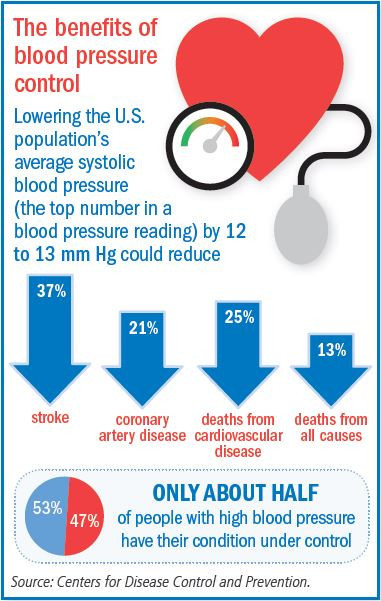
The more salt people eat, the greater their risk of clogged heart and neck arteries, a 2023 study suggests. Narrowed arteries (atherosclerosis) can lead to heart attacks and strokes.

Move of the month: Stationary lunge
Lunges, which strengthen the entire lower body, are a good example of a functional exercise. These exercises mimic everyday actions (such as picking something up off the floor), thereby improving physical functioning throughout the day.

COVID-19's cardiac legacy: An update
COVID-19 may increase the risk of cardiovascular problems, including heart attack, stroke, pulmonary embolism, atrial fibrillation, and heart failure, up to a year after the infection. But vaccination appears to lower these risks. Getting just one dose of a COVID vaccine may halve the risk of myocarditis, a rare condition that causes inflammation of the heart muscle that can arise after viral infections.

Statins may have no effect on exercise pain
A common complaint among statin users is that the drugs increase pain during and after exercise. A 2023 study suggests statins won't exacerbate usual muscle symptoms from moderate-intensity exercise.

Exercise may improve atrial fibrillation
A 2023 study found that for people with atrial fibrillation, a program of supervised and home-based exercise may reduce the severity and frequency of their symptoms.

Heart failure risk in people with diabetes who take certain pain relievers
People with diabetes who take pain relievers known as nonsteroidal anti-inflammatory drugs (NSAIDs) may be at higher risk of heart failure, according to a 2023 study. NSAIDs include ibuprofen, which is sold over the counter as Advil and Motrin.
Salmonella, E. coli, Cyclospora, and other germs that cause food poisoning: What you need to know
Understanding orthorexia: Have your healthy eating goals gone too far?
Melatonin or magnesium: Can either supplement help you sleep?
Naturally gluten-free foods
Harvard study: Healthier fats linked to longer life after prostate cancer diagnosis
Shingrix shingles vaccine linked with lower heart disease risks
Estrogen-only hormone therapy tied to lower dementia risk
Should you have a hysterectomy?
Stair climbing may significantly lower cardiovascular risks
Walking pneumonia: The "mild" illness that can still pack a punch
Free Healthbeat Signup
Get the latest in health news delivered to your inbox!
Sign Up
