

Carb cycling: What is it, and does it work?

Understanding orthorexia: Have your healthy eating goals gone too far?

Melatonin or magnesium: Can either supplement help you sleep?

Salmonella, E. coli, Cyclospora, and other germs that cause food poisoning: What you need to know

Shingrix shingles vaccine linked with lower heart disease risks

Harvard study: Healthier fats linked to longer life after prostate cancer diagnosis

Naturally gluten-free foods

Stair climbing may significantly lower cardiovascular risks

Estrogen-only hormone therapy tied to lower dementia risk
Should you have a hysterectomy?
Heart surgery Archive
Articles

Breath training may lower blood pressure

Better blood sugar tracking: A benefit for heart health?
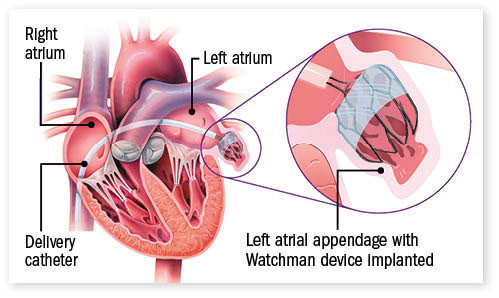
Stroke prevention in atrial fibrillation: Beyond anti-clotting drugs

Fruit of the month: Pomegranate

Eating more whole grains linked to lower heart-related risks

When someone you love has heart disease

Yoga: A gateway to healthier habits?

Harvard Health Ad Watch: Can a wearable device reduce stress?
Stress can affect sleep, mood, and appetite, and the long-term effects of chronic stress have been linked to health issues like cardiovascular disease, obesity, and Alzheimer's disease. A wearable device claims that it can reduce stress and build the wearer's resistance to stressful situations — but how does it work, and can any of its claims be proven?

A closer look at heart disease risk
Sometimes the presence of atherosclerosis, the disease underlying most heart attacks, is not clear or easily recognized, especially before a heart attack or other crisis happens. In those instances, doctors may rely on a coronary artery calcium (CAC) scan, which measures the amount of calcium in the heart's arteries, high levels of which are associated with cardiovascular disease. The CAC results can help predict a person's risk for heart attack or stroke, even if that person doesn't have obvious risk factors or symptoms.

Alcohol and atrial fibrillation
Even small amounts of alcohol—a single drink per day—has been linked to a higher risk of developing atrial fibrillation.
Carb cycling: What is it, and does it work?
Understanding orthorexia: Have your healthy eating goals gone too far?
Melatonin or magnesium: Can either supplement help you sleep?
Salmonella, E. coli, Cyclospora, and other germs that cause food poisoning: What you need to know
Shingrix shingles vaccine linked with lower heart disease risks
Harvard study: Healthier fats linked to longer life after prostate cancer diagnosis
Naturally gluten-free foods
Stair climbing may significantly lower cardiovascular risks
Estrogen-only hormone therapy tied to lower dementia risk
Should you have a hysterectomy?
Free Healthbeat Signup
Get the latest in health news delivered to your inbox!
Sign Up
