

Naturally gluten-free foods

Harvard study: Healthier fats linked to longer life after prostate cancer diagnosis

Shingrix shingles vaccine linked with lower heart disease risks

Estrogen-only hormone therapy tied to lower dementia risk
Should you have a hysterectomy?

Stair climbing may significantly lower cardiovascular risks

Why do I sweat so much?

Walking pneumonia: The "mild" illness that can still pack a punch

What causes knee pain: How doctors make a diagnosis
Where you carry excess weight matters in predicting heart disease risk
Heart Health Archive
Articles

Exercising in water: Big heart benefits and little downside
Image: Thinkstock
Compared with brisk walking, swimming allows you to meet your fitness goals with less stress on your joints and muscles.
In terms of convenience, it's hard to beat brisk walking as a form of exercise. You don't need any special equipment or venue, and most people can do it. But for some people—such as those with achy knees, sore hips, or substantial weight—walking may be uncomfortable. And during the winter, harsh weather in many parts of the country can make walking outdoors unpleasant—even treacherous at times. A water workout in a warm indoor pool, followed by a relaxing sauna could be an appealing alternative that's also good for your heart.

Replacing an aortic valve without open-heart surgery
Image: iStock
Cardiologists expect wider use of the less-invasive technique—known as TAVR—in the near future.
The one-way valve inside your aorta opens to allow blood to surge from the heart to the rest of your body. But as you age, the valve's leaflets may stiffen and become clogged with calcium deposits, restricting blood flow. About 12% of people ages 75 or older have this condition, known as aortic stenosis. Symptoms include feeling dizzy, faint, tired, and breathless. Unless the valve is replaced, half of people with symptoms from aortic stenosis die within two years.

Belly fat boosts risk of dying of heart disease
Research we're watching
Even if you're not overweight, having a large belly raises your risk of dying of heart disease, a new study suggests.
To explore factors linked to early death, researchers relied on body measurements and other health information gleaned from more than 15,000 adults who took part in a national health survey. The average follow-up period was 14 years.

Step up to better heart health
Research we're watching
Older adults can reap greater heart benefits from a daily stroll if they pick up the pace a bit, a study in the Nov. 4, 2015, Circulation reports.
Most exercise studies include predominantly younger adults. This new study is an exception. Researchers followed more than 4,200 people—whose average age was 73—for 10 years. They gathered information about the participants' health and their physical activity.

Peer support good for the heart
Image: Thinkstock
Research we're watching
Many people know what they need to do to keep their hearts healthy. The challenge is making changes (like exercising regularly and eating more fruits and vegetables) and sticking with them. New research suggests monthly meetings with a group of peers who offer support and encouragement can help.
The study included 543 adults with at least one risk factor for heart disease (being overweight, smoking, being physically inactive, or having high blood pressure). Half were randomly assigned to a self-management control group. The others were placed in teams of 10 for the peer-group interventions. Two peer-elected trained leaders headed each group meeting, which involved role-play, brainstorming, and activities to address emotions, diet, and exercise. The groups met for 60 to 90 minutes monthly for one year.
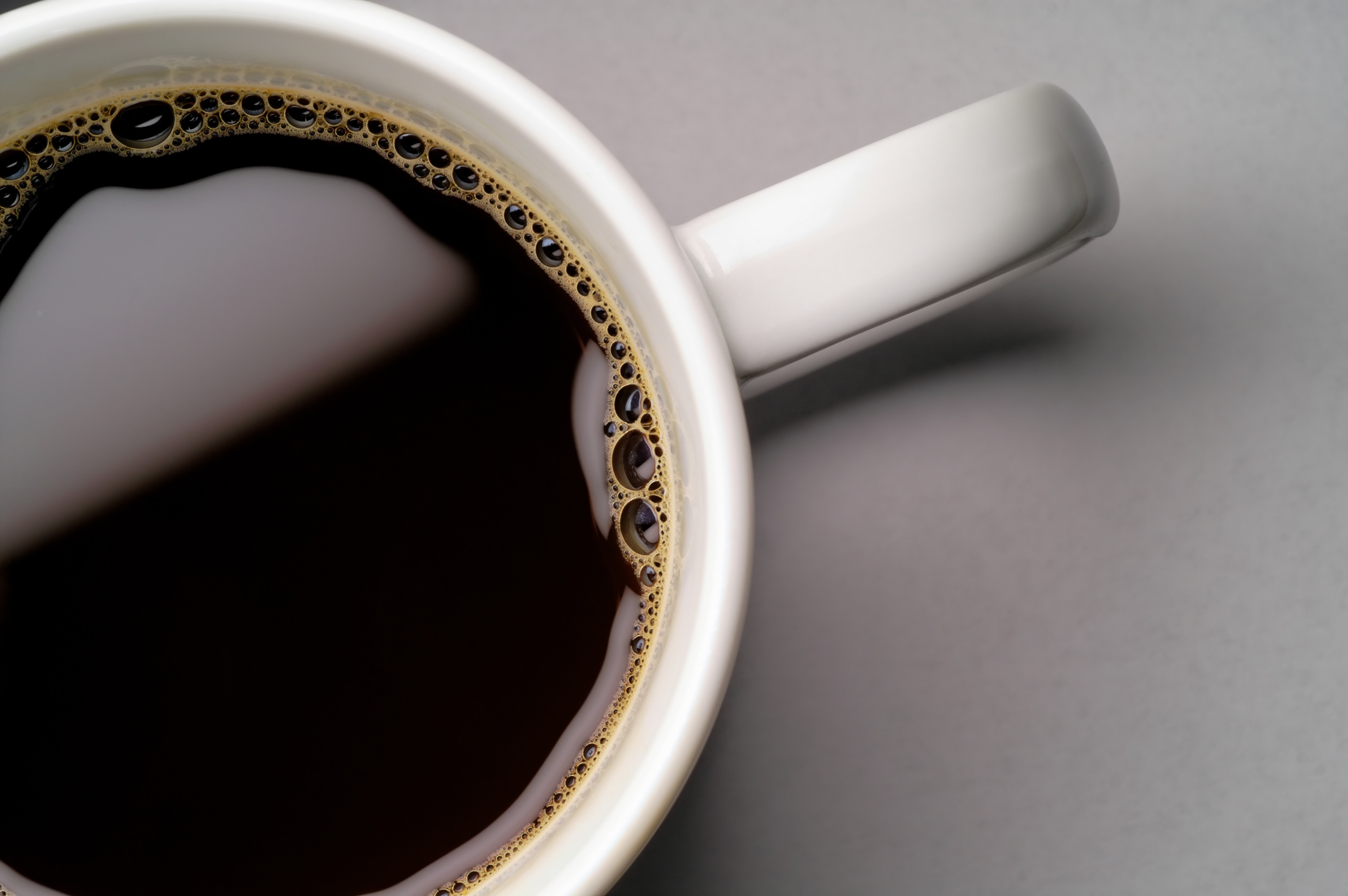
Can your coffee habit help you live longer?
Coffee is nearly a national obsession in the United States. For years, experts have debated whether drinking coffee is good for you. Recently published research suggests that regular, moderate coffee consumption is associated with a lower risk of overall mortality, and that heavy consumption of coffee isn’t linked with a greater risk of death.



Your stroke prevention action plan
Image: Bigstock
You get the most bang for your buck from keeping blood pressure in the normal range, but don't skip the other things.
Many tasks are required to run a household. There are groceries to shop for, broken things to fix, and windows to wash. But you need to prioritize: it makes no sense to worry about the weeds in the garden if the mortgage payment is overdue.

Women's hearts age differently than men's do
Image: iStock
Research we're watching
A long-term study from researchers at Johns Hopkins University School of Medicine has found that men's hearts typically grow with age, while women's shrink. The researchers used magnetic resonance imaging (MRI) to study the left ventricle—the main pumping chamber of the heart—in around 3,000 men and women who were enrolled in the Multi-Ethnic Study of Atherosclerosis. All of the participants—who ranged in age from 54 to 94—were free of cardiovascular disease when they entered the study. They had heart scans at the start and 10 years later.
Comparing the MRI scans of men and women, the researchers found that both had declines in left ventricular volume (the amount of blood the chamber holds) over the decade. However, the mass of the ventricle itself increased in men, while it decreased slightly in women. And having a bigger heart seemed to be a disadvantage. It was associated with higher blood pressure and body mass index and lower levels of HDL (good) cholesterol. The study was published online October 20, 2015, by the journal Radiology.
Naturally gluten-free foods
Harvard study: Healthier fats linked to longer life after prostate cancer diagnosis
Shingrix shingles vaccine linked with lower heart disease risks
Estrogen-only hormone therapy tied to lower dementia risk
Should you have a hysterectomy?
Stair climbing may significantly lower cardiovascular risks
Why do I sweat so much?
Walking pneumonia: The "mild" illness that can still pack a punch
What causes knee pain: How doctors make a diagnosis
Where you carry excess weight matters in predicting heart disease risk
Free Healthbeat Signup
Get the latest in health news delivered to your inbox!
Sign Up
