

Light exposure at night may raise risk for heart disease

Whole grains may improve several heart risk factors at once

A lumbar belt may help ease low back pain

Children of centenarians may stay healthier and live longer too, study finds

Signs of pneumonia: Sometimes vague and unexpected

The surprising link between ovarian cancer and the fallopian tubes

Using a vibration plate: What it can — and can't — do for your body

People who walk more or walk faster live longer, study finds

For sleep apnea, a dental device may be as effective as CPAP

Rosacea treatments: What works?
Heart Failure Archive
Articles

Can I lower my cholesterol without a statin?
Statins are among the most-prescribed drugs in the United States, but some people are concerned about side effects. Lifestyle changes involving diet and exercise can help lower cholesterol enough to take a statin break

Get a leg up on deep-vein thrombosis
Leg pain may be caused by deep-vein thrombosis (DVT), a blood clot that forms in a deep vein, usually in the leg. Left untreated, the clot may break off, travel to the lungs, and cause blockage in a lung artery, known as pulmonary embolism (PE), which can be life threatening. Diagnosis of DVT and PE may include a review of symptoms, a D-dimer blood test, a leg ultrasound, or a chest CT scan. Both conditions are most often treated with direct-acting oral anticoagulants.

Cigar, pipe, and smokeless tobacco use linked to distinct heart risks
Using tobacco in cigars, pipes, or smokeless products such as snuff is associated with distinct heart-related risks.
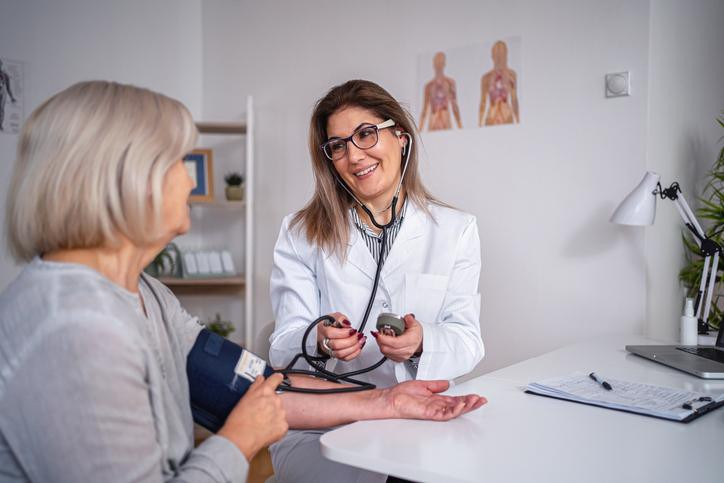
Intensive blood pressure control may lower risk of cognitive problems
Intensive blood pressure control that lowers systolic blood pressure (the first number in a reading) below 120 points may lower the risk of cognitive impairment or probable dementia.

New online tool ranks processed foods
A free online database provides nutrition facts, ingredient information, and a score that reflects the level of processing for more than 50,000 products at three major supermarkets.

Understanding the different types of "brain attack"
Strokes fall into two main categories: ischemic (which result from a blockage inside one of the brain's arteries and account for 87% of all strokes) and hemorrhagic (also known as bleeding strokes, usually from a ruptured blood vessel). Three main types of ischemic strokes are those that result from atherosclerosis in a large artery supplying the brain (large-artery atherothrombotic strokes); those caused by clots in the heart that travel to the brain (cardioembolic strokes); and those in the brain's smallest vessels (small-vessel strokes).

The cancer–heart disease connection
Cancer survivors are more likely to die of heart disease than from cancer-related complications. One reason is that certain cancer treatments can cause cardiovascular complications. But the two diseases share many root causes, including tobacco use and obesity, as well as diabetes and high cholesterol. Growing evidence suggests that people with heart disease may be more likely to develop cancer.

Varicose veins: More than a cosmetic concern
Varicose veins are not just unsightly and uncomfortable; they can also be harbingers of more serious conditions, including deep-vein blood clots and venous ulcers. Ablation therapies to eradicate varicose veins can lower these risks. People can also try simple strategies to prevent and improve varicose veins, including doing exercises that work their calf muscles, elevating their legs, and wearing compression stockings.

The heartfelt effects of kindness
Engaging in prosocial, altruistic behavior that benefits other people-such as doing volunteer work, giving money to charity, or performing small acts of kindness-may be beneficial to cardiovascular health. Possible mechanisms include reductions in stress and blood pressure. Volunteering has also been associated with improvements in heart-related risks, including increased step counts and less depression.

Coping with heart disease and arthritis together
For people who have both heart disease and arthritis, two of the main treatments-exercise and medications-require careful planning and attention. Joint pain makes certain types of exercise difficult, and commonly used drugs for both conditions can have potentially serious interactions.
Light exposure at night may raise risk for heart disease
Whole grains may improve several heart risk factors at once
A lumbar belt may help ease low back pain
Children of centenarians may stay healthier and live longer too, study finds
Signs of pneumonia: Sometimes vague and unexpected
The surprising link between ovarian cancer and the fallopian tubes
Using a vibration plate: What it can — and can't — do for your body
People who walk more or walk faster live longer, study finds
For sleep apnea, a dental device may be as effective as CPAP
Rosacea treatments: What works?
Free Healthbeat Signup
Get the latest in health news delivered to your inbox!
Sign Up
