

Healing after food poisoning

What is tempeh? Benefits, nutrition, and how to use it

Light exposure at night may raise risk for heart disease

Whole grains may improve several heart risk factors at once

A lumbar belt may help ease low back pain

Children of centenarians may stay healthier and live longer too, study finds

Signs of pneumonia: Sometimes vague and unexpected

The surprising link between ovarian cancer and the fallopian tubes

Using a vibration plate: What it can — and can't — do for your body

People who walk more or walk faster live longer, study finds
Heart Disease Archive
Articles

Fruit of the month: Kiwifruit
The Chinese gooseberry — more commonly known as kiwifruit or simply kiwi — is a brown, fuzzy, egg-sized fruit with bright green flesh. You can sometimes find gold kiwis, which have yellow flesh, or kiwi berries, which are the size of a grape and have smooth, green skin. Sweet yet slightly tart, kiwi's flavor has been described as a cross between a strawberry and a banana with a hint of citrus.
One kiwi provides nearly all (about 80%) of an adult's daily vitamin C requirement. It's also a good source of fiber, potassium, and vitamin K.
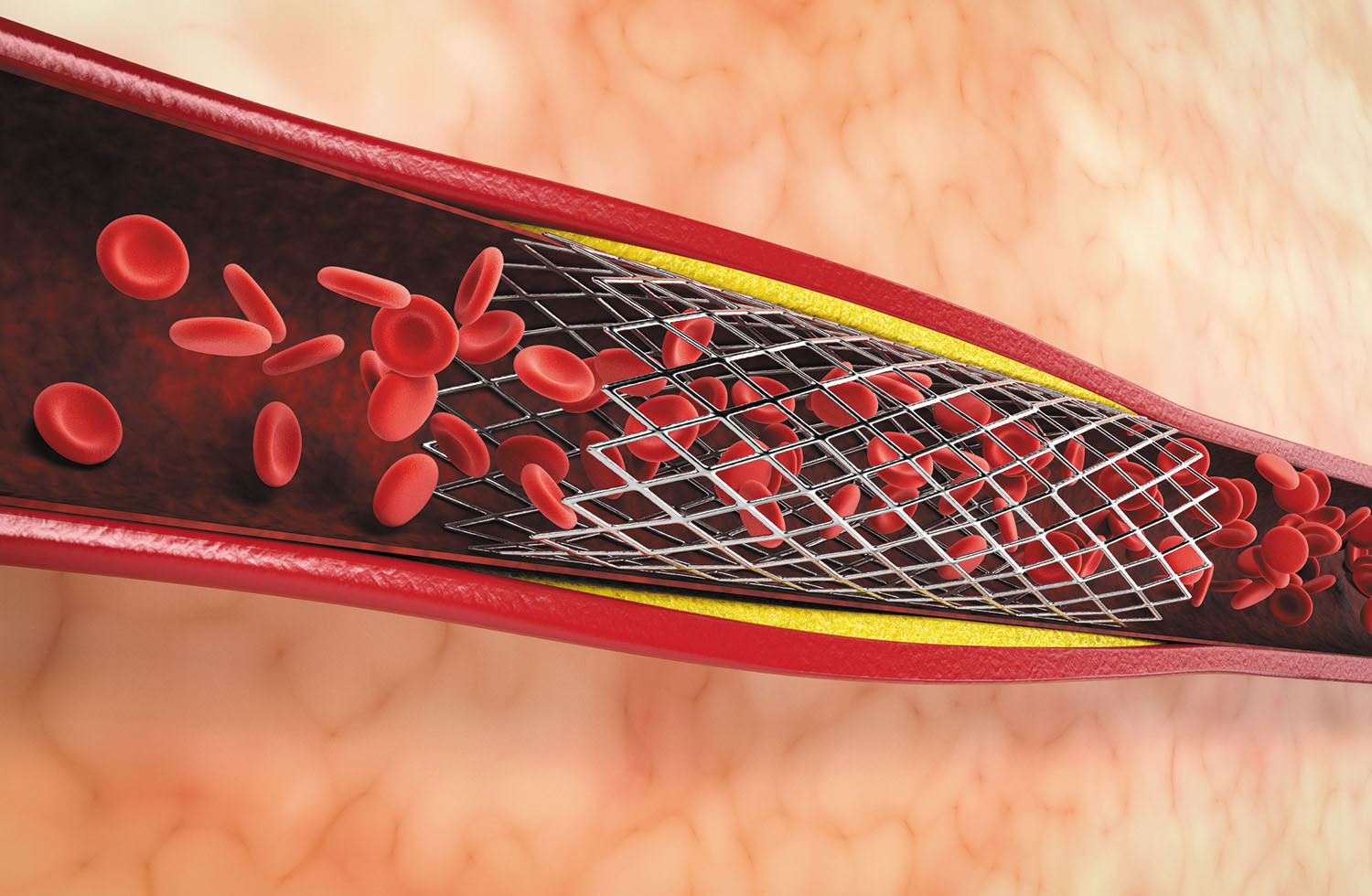
Blood thinners after a stent: How long?
After receiving a stent, people normally take aspirin and another anti-clotting drug for up to a year afterward and sometimes longer. Doctors adjust the timeline depending on an individual's situation.
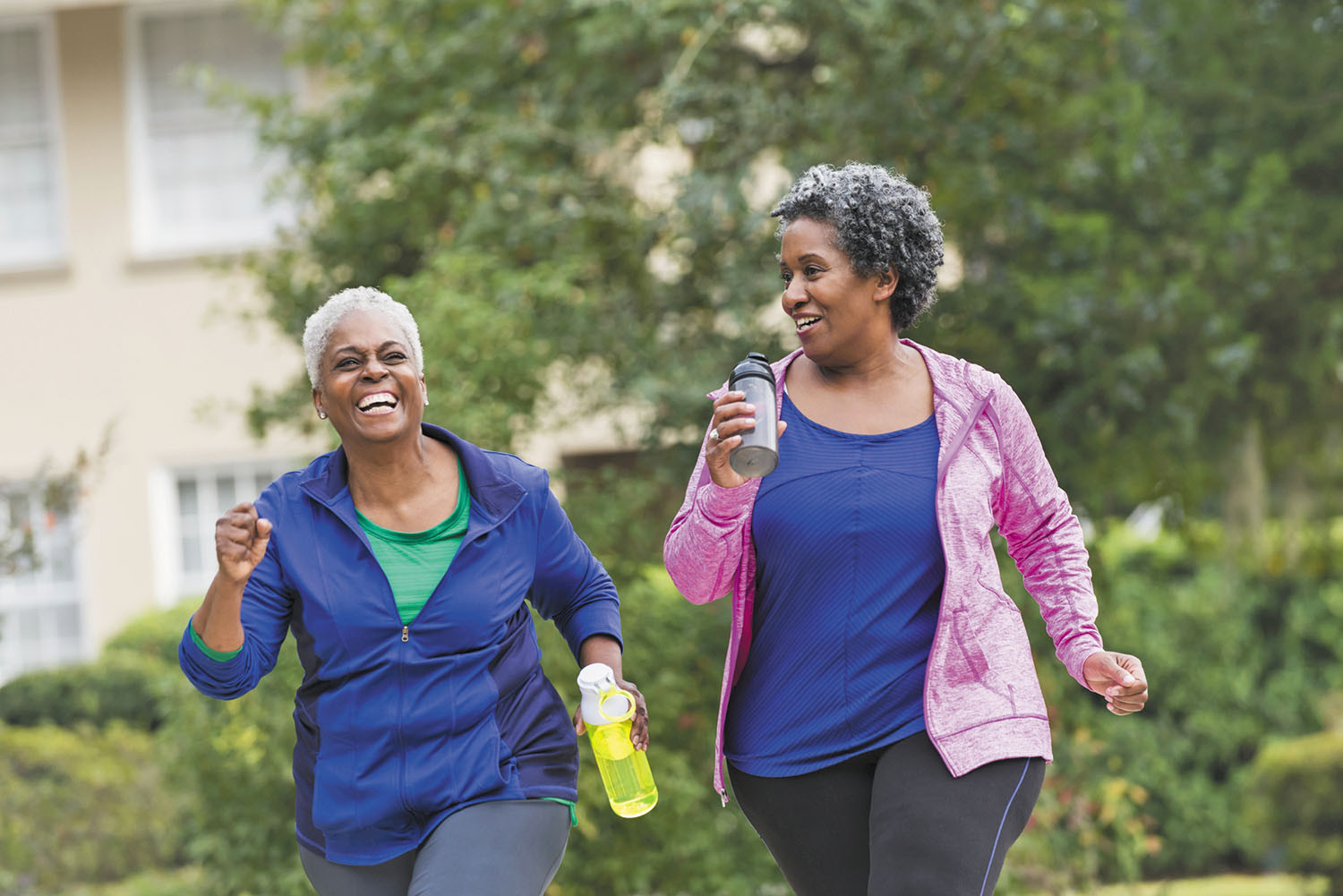
Optimize your exercise routine
Whether you're an exercise novice or a gym regular, these tips can help you get the most out of your workout.
When it comes to exercise, timing is everything — but not in the way we normally think about timing. What matters most is making the time to exercise regularly, not when it happens. That said, your personal experience and specific goals may influence what workout schedule works best for you.
"If you're just starting a physical activity routine, any time that you feel motivated and energized enough to exercise is the best time for you," says Dr. Beth Frates, clinical assistant professor of physical medicine and rehabilitation at Harvard Medical School. For some people, that's in the morning; for others, the afternoon works better. But if you can work out with a friend, choose a time that works best for both of you, she suggests. Teaming up with an exercise buddy is more enjoyable, and you can hold each other accountable.

Suspected heart attack? Don’t fear the emergency room due to COVID-19
In addition to a prompt assessment and potentially lifesaving treatment, expect a COVID-19 test and extra safety precautions.
Even before the pandemic, people with heart attack symptoms sometimes hesitated to seek emergency care. But during the first wave of COVID-19 infections in early 2020, many more people than usual stayed away. From mid-March to late May 2020, emergency room visits for heart attacks fell by 23% compared with the preceding 10 weeks. And 20% fewer people showed up with strokes, according to the CDC.
Fear of leaving home and risking exposure to the coronavirus likely explains this trend, which has abated over time. "The overall volume at emergency rooms is still somewhat below normal, and we're seeing people who come in many hours or even a day after their heart attack symptoms began," says Dr. Joshua Kosowsky, assistant professor of emergency medicine at Harvard Medical School. These people sometimes have signs of heart damage that might have been easier to reverse or treat if they had come in right away, he adds.

Get moving to slow cardiovascular aging
Keep your heart strong and young by giving it a good, regular workout.
Image: © JohnnyGreig/Getty Images
Your heart, like any other muscle, can weaken over time, especially if you are sedentary. As you age and become less active, the muscle in your heart's left ventricle — the chamber that pumps oxygen-rich blood back out to the body — becomes stiffer.
"This change in the heart muscle, coupled with simultaneous stiffening of the body's arteries that leads to high blood pressure, begins a harmful cardiovascular aging cycle," says Dr. Aaron Baggish, director of the Cardiovascular Performance Program at Harvard-affiliated Massachusetts General Hospital. "Without intervention, this sets the stage for heart failure later in life."
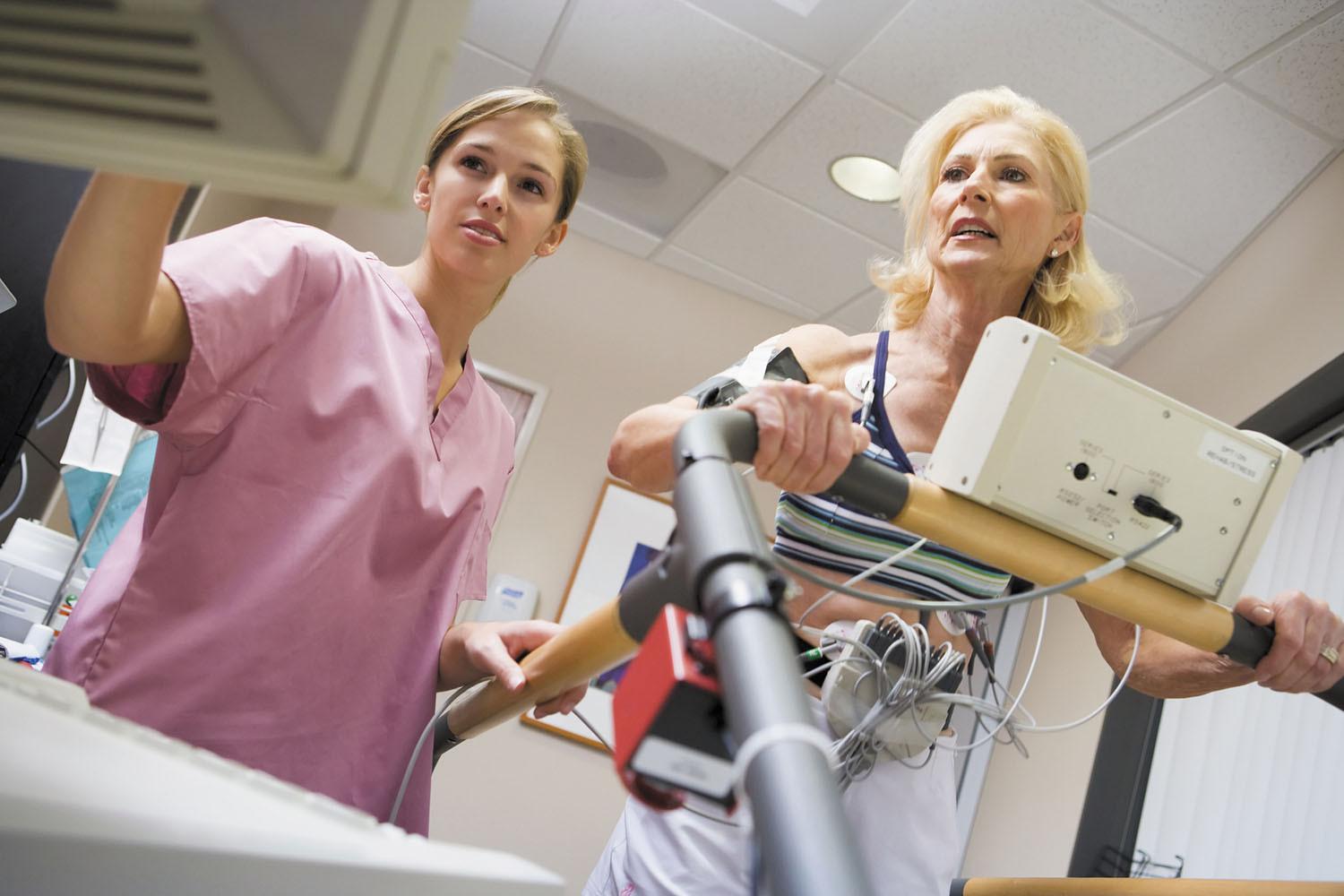

Why nuts may be good for your heart
Research we're watching
Eating nuts even just a couple of times a week is linked to a lower risk of dying from heart disease, a new study suggests.
The study included 39,000 women who filled out dietary questionnaires at the start of the study and again about 10 years later. During the follow-up, which lasted an average of 19 years, nearly 1,000 of the women died of cardiovascular disease.

Blood pressure checks: Both sides now?
Research we're watching
A difference in the blood pressure readings from the left and right arms may herald a higher risk of heart disease, according to an analysis of 24 international studies.
The report, published in the February 2021 issue of Hypertension, included data from more than 57,000 adults in general health clinics who had their blood pressure measured in both arms. Researchers tracked the participants' cardiovascular health for more than a decade.

Smartphone apps and trackers may help boost physical activity
Research we're watching
Surveys show that about one in five Americans uses a smartphone app or tracker for monitoring exercise. Evidence for the benefits of these tools is mixed, but a new review suggests they may encourage people to move a bit more.
Researchers pooled findings from 28 studies involving a total of nearly 7,500 people who took part in studies using a smartphone app or activity tracker. They found that these tools have a small to moderate effect in boosting physical activity, motivating people to take an average of 1,850 additional steps per day.
Healing after food poisoning
What is tempeh? Benefits, nutrition, and how to use it
Light exposure at night may raise risk for heart disease
Whole grains may improve several heart risk factors at once
A lumbar belt may help ease low back pain
Children of centenarians may stay healthier and live longer too, study finds
Signs of pneumonia: Sometimes vague and unexpected
The surprising link between ovarian cancer and the fallopian tubes
Using a vibration plate: What it can — and can't — do for your body
People who walk more or walk faster live longer, study finds
Free Healthbeat Signup
Get the latest in health news delivered to your inbox!
Sign Up
