

Reading the current blood pressure guidelines

Oat vs. dairy milk: Nutrition, benefits, and downsides

Microplastics: A hidden health threat?

Healing after food poisoning

What is tempeh? Benefits, nutrition, and how to use it

Light exposure at night may raise risk for heart disease

Whole grains may improve several heart risk factors at once

A lumbar belt may help ease low back pain

Children of centenarians may stay healthier and live longer too, study finds

Signs of pneumonia: Sometimes vague and unexpected
Heart Disease Archive
Articles

Adult asthma linked to higher risk of heart disease
People who develop asthma as adults may have a higher risk of developing heart disease than those without asthma. Adult-onset asthma is often triggered by air pollution and tends to be harder to control than asthma that starts during childhood.

Many ways to lower cholesterol will reduce heart disease risk
Research shows that lowering cholesterol using a variety of approaches–including medications and diet–can lower the chances of having a cardiovascular event, including a heart attack. For people at high risk for a heart attack, cholesterol-lowering statins are usually the first-line treatment. For people who can’t take statins, other drugs may help.


Is there an early warning test for stroke?
Strokes seem to come out of the blue. But most of them happen due to decades-long damage to blood vessels and growth of artery-clogging plaque. That raises the question: Is there an early warning test for stroke?
Yes and no. A test called the carotid ultrasound can detect the buildup of cholesterol-filled plaque in the carotid arteries in the neck. These arteries deliver blood to the brain. The test, which uses sound waves, is quick, safe, and without any immediate potential for harm. It makes perfect sense for someone experiencing lightheadedness, memory loss, or the warning signs of a stroke or mini-stroke.
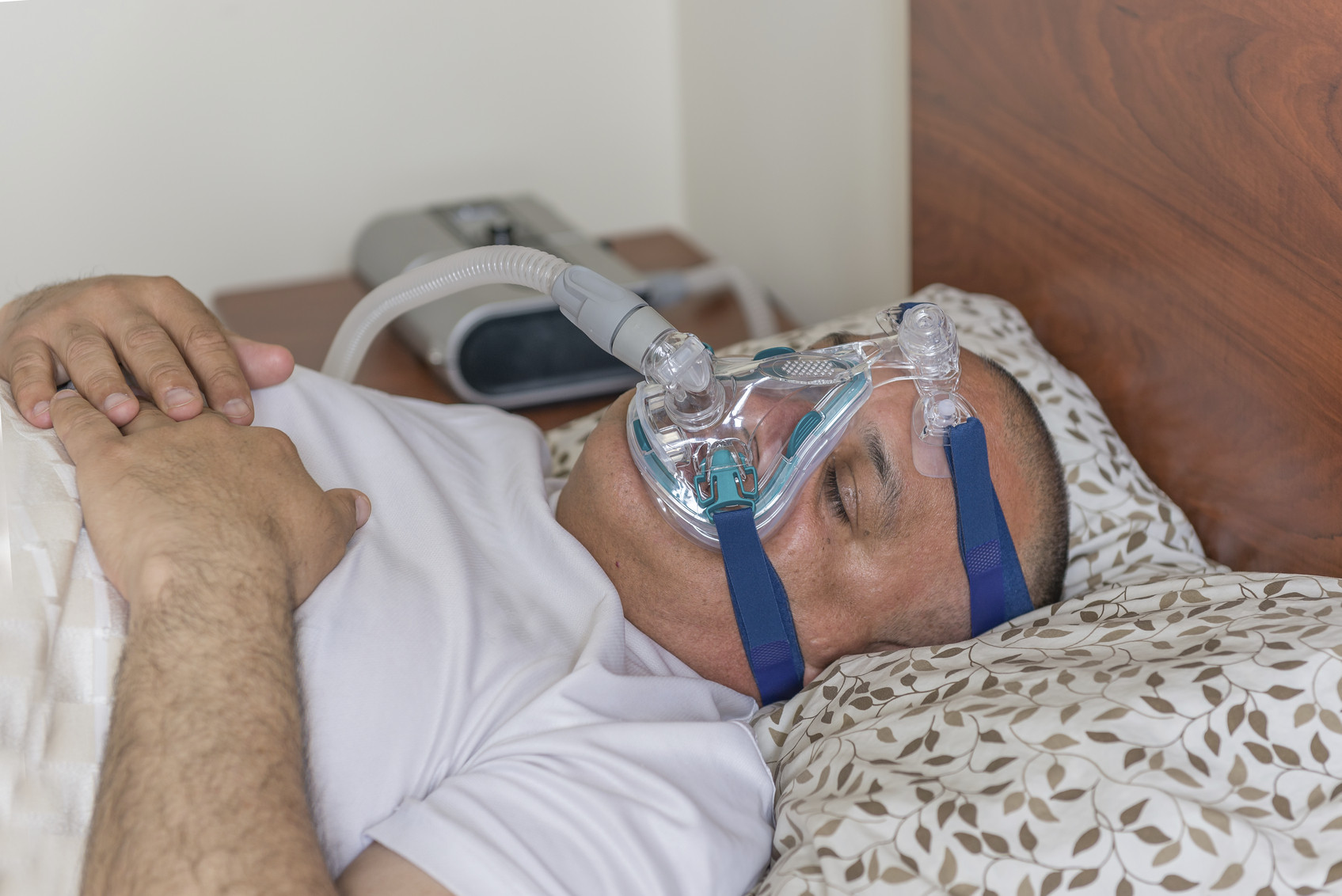
Heart disease, sleep apnea, and the Darth Vader mask too?
A study questions whether CPAP helps to slow the progression of coronary artery disease in those who already have it, but use of the device has still been shown to have quality of life and other health benefits in those with sleep apnea.

The benefits of vitamin pills and chocolate
Although theoretically multivitamins and chocolate might reduce the risk of heart disease and some cancers, proof is lacking. A new randomized trial called COSMOS will test whether multivitamin pills and cocoa pills have health benefits.

Avoiding winter heart attacks
Minimize risks with simple solutions such as preventing overexertion and preparing for cold temperatures.
Image: Bigstock
As temperatures start to fall, your risk of a heart attack begins to climb. "Cold weather sometimes creates a perfect storm of risk factors for cardiovascular problems," says Dr. Randall Zusman, a cardiologist with Harvard-affiliated Massachusetts General Hospital.
Many of these risks stem from what Dr. Zusman calls a "mismatch between supply and demand." Cold weather can decrease the supply of oxygen-rich blood to your heart muscle. And it can put you in situations that force your heart to work harder; as a result, your heart demands more oxygen-rich blood. Such a mismatch-a smaller supply of oxygen to the heart coupled with a greater demand for oxygen by the heart-sets you up for a heart attack.

Bypass surgery after a stent?
After an artery-opening angioplasty plus a stent, a person may need bypass surgery in the future. Likewise, some people who have bypass surgery may later need a stent. Neither procedure stops atherosclerosis, the disease that clogs heart arteries.

What is venous insufficiency?
Venous insufficiency, which happens when veins don’t work properly, can cause swelling, pain, and a sense of heaviness in the legs. Elevating the legs when sitting or lying down can help; so can support stockings.
Stroke after a heart attack: What’s the risk?
Here's what heart attack survivors need to know to lower their chance of a future stroke.
Image: Bigstock
First, the good news: The rate of first-time heart attacks has dropped by nearly half in the past 25 years. And heart attack survival rates have surged, thanks to improved treatments. The bad news? Compared to people without such a history, heart attack survivors not only face a higher risk of a second heart attack, they're also more likely to have a stroke.
The risk of stroke is higher in the first year following a heart attack, especially during the first month. After a year, however, only the risk of ischemic stroke remains elevated, according to study in the July 2016 Stroke that tracked more than a quarter-million heart attack survivors over a 30-year period. (See "Types of stroke: Blockage vs. bleeding" for a primer on the different types.)
Reading the current blood pressure guidelines
Oat vs. dairy milk: Nutrition, benefits, and downsides
Microplastics: A hidden health threat?
Healing after food poisoning
What is tempeh? Benefits, nutrition, and how to use it
Light exposure at night may raise risk for heart disease
Whole grains may improve several heart risk factors at once
A lumbar belt may help ease low back pain
Children of centenarians may stay healthier and live longer too, study finds
Signs of pneumonia: Sometimes vague and unexpected
Free Healthbeat Signup
Get the latest in health news delivered to your inbox!
Sign Up
