

Reading the current blood pressure guidelines

Oat vs. dairy milk: Nutrition, benefits, and downsides

Microplastics: A hidden health threat?

Healing after food poisoning

What is tempeh? Benefits, nutrition, and how to use it

Light exposure at night may raise risk for heart disease

Whole grains may improve several heart risk factors at once

A lumbar belt may help ease low back pain

Children of centenarians may stay healthier and live longer too, study finds

Signs of pneumonia: Sometimes vague and unexpected
Heart Disease Archive
Articles
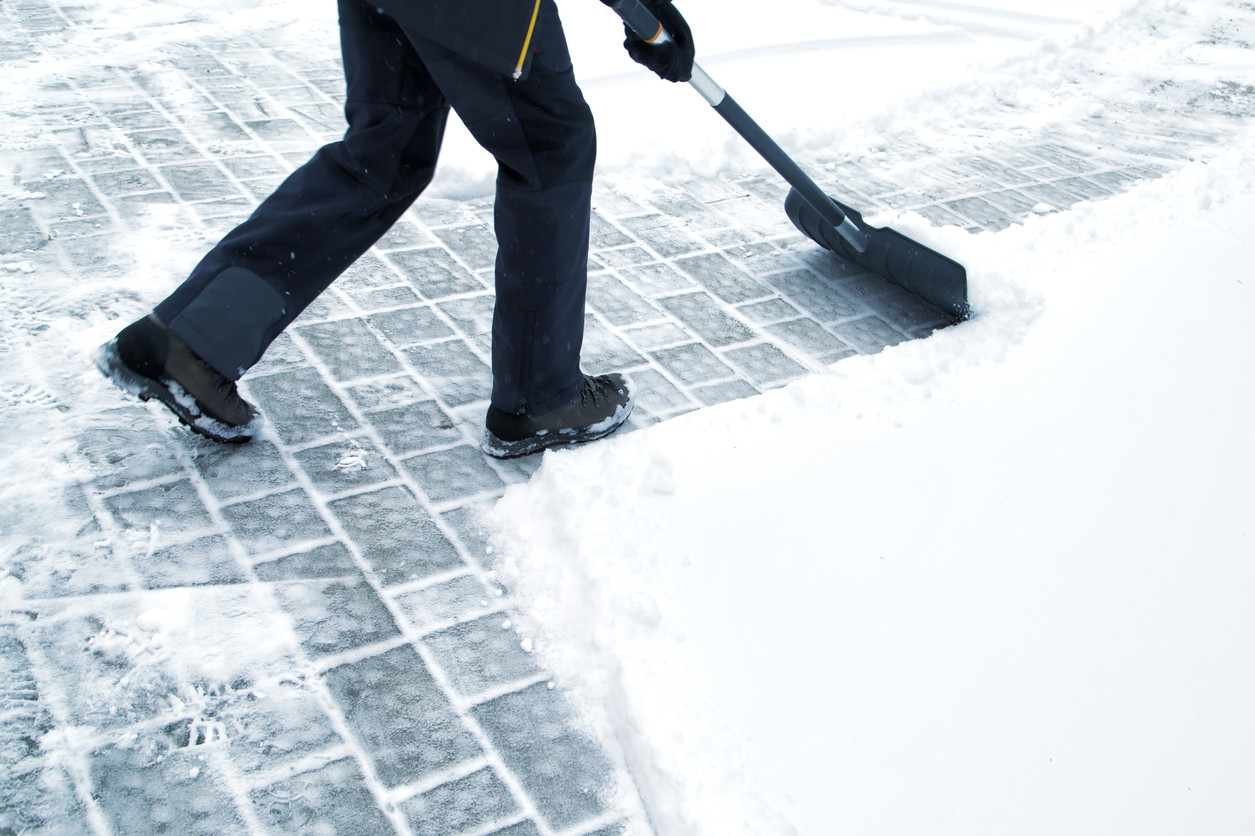
How winter’s chill can challenge your heart
A few simple precautions can minimize your risk.
Image: robertiez/Thinkstock
Every time you venture out into the bone-shivering, teeth-chattering cold of a Northern winter, your heart and blood vessels kick into overdrive to keep your internal organs cozy. To accomplish this feat, the tiny blood vessels in outlying areas such as the fingers and toes constrict to stem the loss of body heat into the environment. The flip side of this protective maneuver is that the heart must beat against extra force to overcome the resistance it meets in the narrowed vessels.
Supply and demand mismatch
Smart precautions
You can minimize the impact of cold weather on your heart by taking steps to avoid situations that are likely to put you at risk.
Don't overexert. Remember that your heart is already working overtime to compensate for the cold temperatures. Therefore, don't push yourself with strenuous activities such as shoveling heavy snow or partaking in vigorous outdoor exercise unless you are in good physical shape.
Keep your body temperature steady. Put on warm outerwear including coat, gloves, and hat before facing the elements. This will guard against hypothermia, in which the body's internal temperature falls too low. Likewise, dress in layers that you can peel off if you get too warm. Overheating can lead to an abrupt and potentially dangerous drop in blood pressure.
Get a flu shot. A bout of seasonal flu can trigger a heart attack in people already at risk for heart disease. The flu causes a fever, which can make your heart beat faster. It can also cause dehydration, which can have a similar effect as the heart beats faster to maintain your blood pressure.
Keep your prescriptions filled. Icy conditions can make it difficult to get to the pharmacy to pick up a prescription, so make sure not to let your supply of heart medicines run low.
Heed the warning signs
Your New Year’s resolution: A gym membership?
What to consider when choosing a workout venue.
Image: vencavolrab/Thinkstock
If getting in shape tops your list of New Year's resolutions, you're in good company. During the first few months of the year, sign-ups at fitness centers and health clubs tend to trend upward. While these memberships can be costly, you may be able to find more affordable options or take advantage of discounts. But no matter what you pay, shelling out a monthly fee may encourage you to use the gym regularly to get your money's worth. If you do, your heart will likely reap the rewards: regular exercise is one of the best ways to boost cardiovascular health.
"The main advantage to joining a gym is to have access to a wide variety of exercise equipment," says Alex Petruska, a senior physical therapist at the Sports Medicine Center of Harvard-affiliated Massachusetts General Hospital. That includes machines for a cardiovascular workout, such as treadmills, elliptical trainers, stationary bikes, and stair steppers, as well as a variety of weight machines.
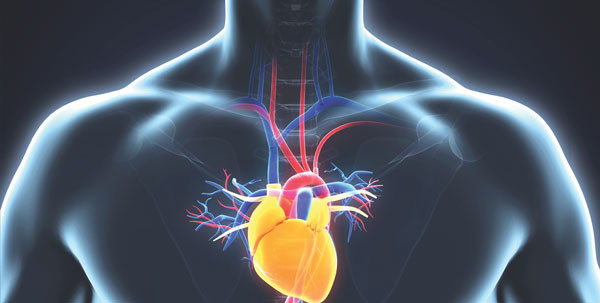
Bringing awareness to aneurysms in the chest
Most often, bulges in the aorta near the heart are found by accident. Should you be screened for this rare yet dangerous condition?
Image: Nerthuz /Thinkstock
The aorta, the body's largest blood vessel, arises from the heart's left pumping chamber, then curves up and over the heart in a gentle arc. In some people, a weak spot in the aorta's wall causes the vessel to bulge outward like a worn-out bicycle tire. Called a thoracic aneurysm, this stealthy condition develops slowly and silently, rarely causing symptoms. And while some thoracic aneurysms are relatively harmless, others cause catastrophic problems. An estimated one in 10,000 people has a thoracic aneurysm, although the exact prevalence is unknown.
"Most thoracic aneurysms are discovered on an imaging test done for some other reason," explains Dr. Eric Isselbacher, associate professor of medicine at Harvard Medical School and co-director of the Thoracic Aortic Center at Massachusetts General Hospital. For example, an aneurysm might be visible on an echocardiogram (heart ultrasound) done during testing for an irregular heartbeat. Because the condition is so uncommon, testing everyone for a thoracic aneurysm doesn't make sense. But certain people face a higher risk than others (see "Who needs to be checked?").
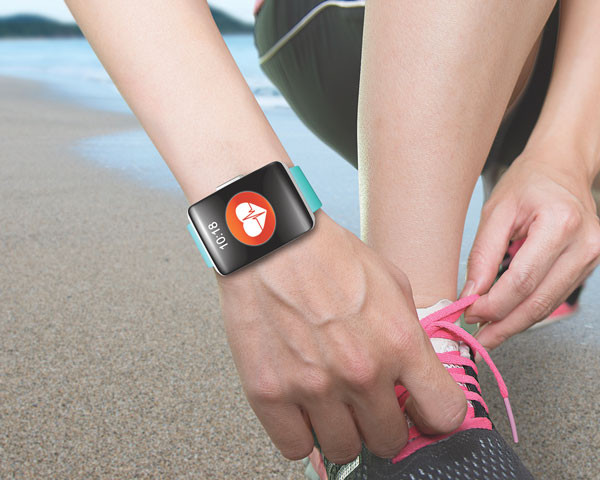
Are wristwatch-style heart rate monitors accurate?
Wristwatch-style fitness monitors use a sensor that detects blood flow through the skin to estimate a person’s heart rate. Some brands are more accurate that others, but none are as accurate as chest-strap monitors.

Working out while angry? Just don’t do it
Anger or emotional upset may double the risk of having a heart attack. Heavy physical exertion appears to have the same effect. And people who do intense exercise while they’re upset or mad may face three times the risk of heart attack.

Daily tea drinkers may have healthier hearts
People who drink at least one cup of tea daily may be less likely to have cardiovascular problems than those who never drink tea.
Drugs to prevent heart attacks may also lessen their severity
Medications such as aspirin, statins, ACE inhibitors, and beta blockers are prescribed to certain patients to lower the chance of a first or repeat heart attack. New research shows that they also may reduce the severity of attacks that do occur.
New studies suggest a calcium-rich diet is safe for the heart
A review of 31 studies indicated that calcium intake of 2,500 milligrams or less per day does not increase the risk of developing heart disease in healthy adults.


Pill-free ways to lower high blood pressure
Reduce your dependence on medications with these strategies.
More than a third of all adults in the United States have high blood pressure—a systolic pressure (the top number in a reading) of at least 140 millimeters of mercury (mm Hg), or a diastolic pressure (the bottom number) of at least 90 mm Hg, or both. The condition injures blood vessel walls and forces the heart to work harder, increasing the risk for heart disease and stroke.
Taking medication to treat high blood pressure is just part of the solution.
Reading the current blood pressure guidelines
Oat vs. dairy milk: Nutrition, benefits, and downsides
Microplastics: A hidden health threat?
Healing after food poisoning
What is tempeh? Benefits, nutrition, and how to use it
Light exposure at night may raise risk for heart disease
Whole grains may improve several heart risk factors at once
A lumbar belt may help ease low back pain
Children of centenarians may stay healthier and live longer too, study finds
Signs of pneumonia: Sometimes vague and unexpected
Free Healthbeat Signup
Get the latest in health news delivered to your inbox!
Sign Up
