

Reading the current blood pressure guidelines

Oat vs. dairy milk: Nutrition, benefits, and downsides

Microplastics: A hidden health threat?

Healing after food poisoning

What is tempeh? Benefits, nutrition, and how to use it

Light exposure at night may raise risk for heart disease

Whole grains may improve several heart risk factors at once

A lumbar belt may help ease low back pain

Children of centenarians may stay healthier and live longer too, study finds

Signs of pneumonia: Sometimes vague and unexpected
Heart Disease Archive
Articles
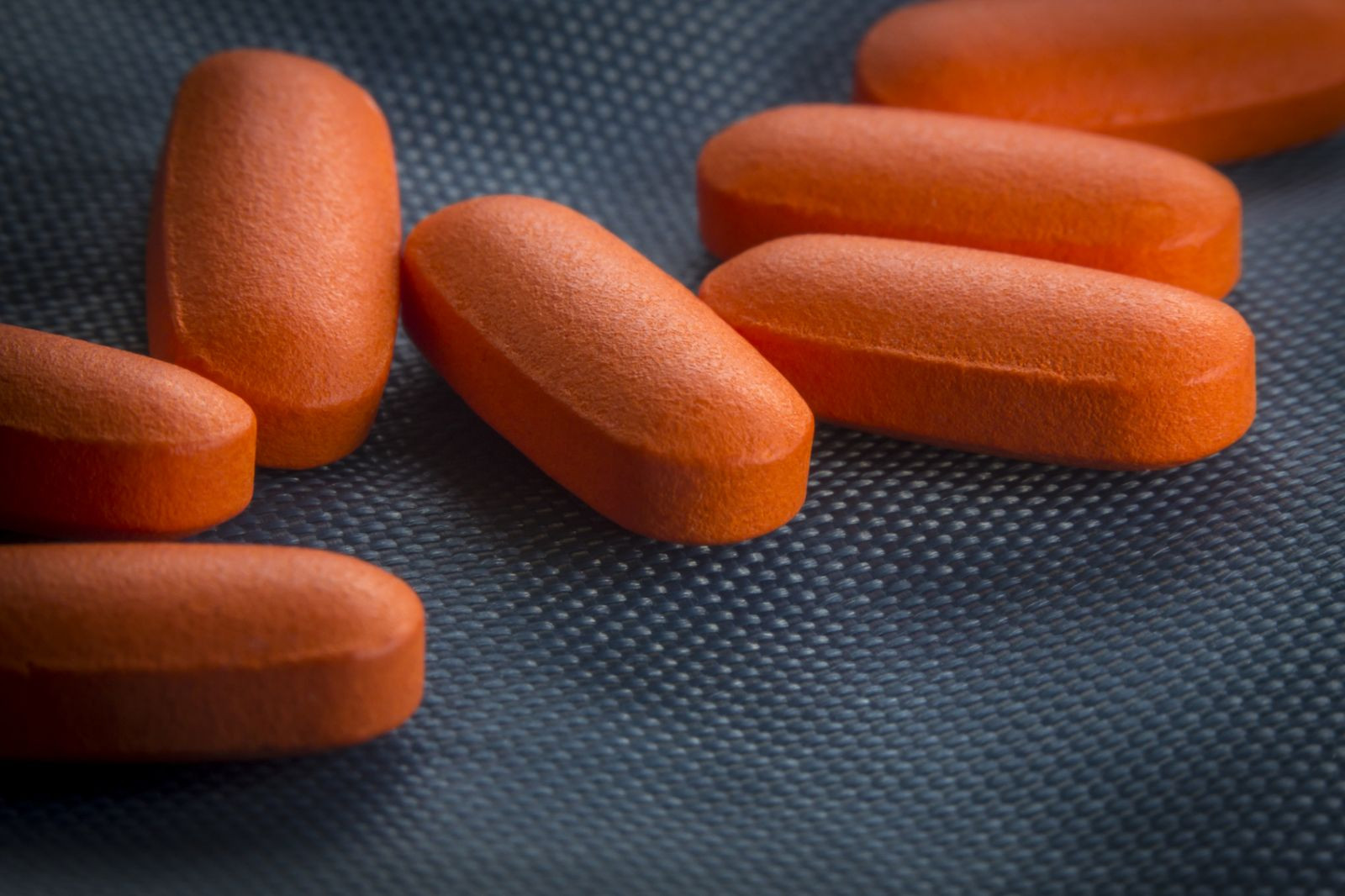
Are some painkillers safer for your heart than others?
Despite new research, the answer is unclear. Use caution when taking any pain medication on a routine basis.
Image: iStock
People with aching joints from arthritis—which affects nearly one in four adults—often rely on drugs known as NSAIDs to ease the pain of this often-debilitating condition. These popular medications also relieve headaches, cool fevers, and dampen inflammation. But with the exception of aspirin, most NSAIDs pose a risk to the cardiovascular system, notes Harvard professor Dr. Elliott Antman, a cardiologist at Brigham and Women's Hospital.
"Taking NSAIDs routinely over a long time period can raise the risk of blood clots, increase blood pressure, and accelerate cardiovascular disease," says Dr. Antman. While the danger is greatest in people with heart disease, it's also present in people without any signs of the disease.


Calcium and heart disease: What is the connection?
There's no good evidence that taking calcium supplements can harm your heart. Still, it's best to get this mineral from foods, not pills.
Image: sasimoto/Thinkstock
For decades, doctors have encouraged people to consume plenty of calcium, a mineral best known for building strong bones. About 43% of people in the United States, including close to 70% of older women, take supplements that contain calcium. Concern about osteoporosis—the bone-weakening disease that leaves older adults prone to fracturing a hip, wrist, or other bone—has driven this trend.
Calcium also keeps your muscles, nerves, and blood vessels working well, and it's one of the key minerals involved in blood pressure control. With regard to heart disease, though, there's one potentially confusing aspect of the calcium story. A test researchers often use to look for early signs of heart disease is known as a coronary artery calcium (CAC) scan (see "Seeing calcium specks inside arteries"). There's no direct connection between the calcium you consume and the amount in your arteries. But in recent years, several studies have observed a link between the use of calcium supplements and a higher risk of cardiovascular disease.

Healthy lifestyle may ease genetic risk for heart disease
Lifestyle habits such as not smoking, avoiding obesity, exercising, and following a healthy diet may cut a person’s risk of heart disease in half, even if they have genes that put them at a high risk of cardiovascular disease.

Pedal your way to a healthier heart?
People who bike to work or cycle for pleasure may have a slightly lower risk of heart disease compared with noncyclists.
Stents and bypass equally effective for many cases of heart disease
A new study found that a minimally invasive stent procedure is just as effective as bypass surgery for people with left main coronary artery disease. Stenting also had a lower risk of complications and death compared with the surgery.
Are heart attack triggers real?
A large international study of people around the world suggests that extreme physical exertion or emotional upset may be triggers for a heart attack.

Say cheese?
Dairy products don't seem to harm the heart. But plant-based fats are probably a better choice than cheese.
Image: AlexPro9500/Thinkstock
Health-conscious consumers know to steer clear of diets that include lots of meat—especially fatty, salty processed meat. But what's the deal with dairy? Nutrition experts have long recommended low-fat milk and yogurt as good choices for getting the two to three daily servings of dairy recommended by federal dietary guidelines.
Over the past few decades, Americans have been spooning up more yogurt and drinking much less milk. But the biggest change by far has been in our cheese consumption, which has skyrocketed since the 1970s (see "Trends in dairy intake: Less milk, more cheese and yogurt").
What is a lacunar stroke?
Lacunar strokes, which account for about one-fifth of all strokes, occur in small arteries deep within the brain. Although these strokes may not cause symptoms, those that do may cause weakness in the face, arm, or leg on one side of the body.
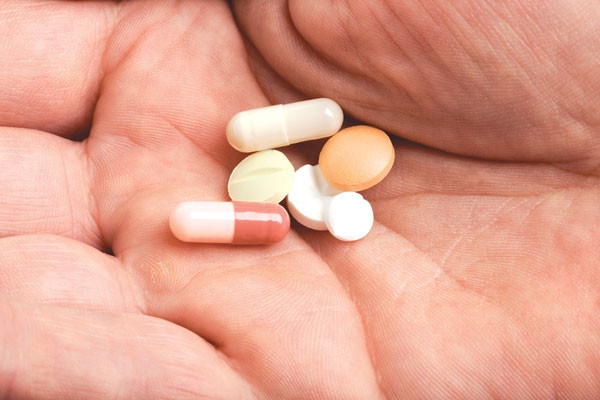
Does it matter how you lower your cholesterol?
Certain cholesterol-lowering medications—namely, ezetimibe (Zetia) and drugs known as bile acid binders—also appear to be effective at lowering cholesterol and reducing the risk of serious cardiovascular events.
Reading the current blood pressure guidelines
Oat vs. dairy milk: Nutrition, benefits, and downsides
Microplastics: A hidden health threat?
Healing after food poisoning
What is tempeh? Benefits, nutrition, and how to use it
Light exposure at night may raise risk for heart disease
Whole grains may improve several heart risk factors at once
A lumbar belt may help ease low back pain
Children of centenarians may stay healthier and live longer too, study finds
Signs of pneumonia: Sometimes vague and unexpected
Free Healthbeat Signup
Get the latest in health news delivered to your inbox!
Sign Up
