

Even a little exercise linked with lower stroke risk in people with afib

Testosterone therapy without evidence of deficiency may boost heart risk

Weight-loss drug may lower risk of heart attacks and infections

What to eat on the DASH diet

Migraine: How it's diagnosed and what that means

Tricep workouts you can do at home

Mindfulness practices to reduce stress and improve focus

Antihistamines may not offer meaningful relief from eczema symptoms

Overweight and taking blood pressure medications: Study finds it's a trend that's working

FDA approves first mRNA-based flu vaccine
Heart Attack Archive
Articles

Getting into the swing of golf
This low-impact, lifelong sport can be a good way to exercise, socialize, and enjoy nature — three factors linked to lower heart disease risk.
Famously described as "a good walk spoiled," golf is nonetheless a popular sport in the United States, played by an estimated 25 million Americans. And one could argue that rather than spoiling a nice walk, the game instead provides a good way for people of all ages to be physically active and reap other heart-related rewards.
"You're outdoors in a beautiful place with three friends and no phones or computer screens," says Dr. James Muller, a cardiologist at Harvard-affiliated Brigham and Women's Hospital. In today's world, people are often stuck behind their screens and lose touch with their in-person social community. Playing golf helps to remedy that problem.

What can at-home genetic tests tell you about heart-related risks?
The results reveal only limited information about your risk for abnormally high cholesterol or harmful blood clots.
About 30 million Americans have used direct-to-consumer genetic tests such as 23andMe and Ancestry. While some are simply curious about their ethnic heritage, many pay extra to learn about their propensity for certain diseases and conditions. But can the results tell you anything useful about your odds of developing heart disease, the nation's leading killer?
When it comes to coronary artery disease — by far the most common form of heart disease — the answer is maybe, says Dr. Pradeep Natarajan, director of preventive cardiology at Harvard-affiliated Massachusetts General Hospital. "Genetics are just one aspect of a person's risk. Lifestyle habits such as smoking, diet, and exercise play a bigger role," he says.

Should I be screened for atrial fibrillation?
Ask the doctors
Q. Two of my friends were recently diagnosed with atrial fibrillation. Should I be screened for this condition?
A. Atrial fibrillation is a condition in which the heart beats in an abnormal rhythm, for either brief intervals or a more extended period. Some people with the condition experience symptoms such as dizziness, a racing heartbeat, or lightheadedness. But for many others, the condition is identified only when they have heart testing done as part of a physical examination. Medical experts don't currently recommend widespread screening for atrial fibrillation in people who don't have symptoms. While there are certainly benefits to diagnosing people who don't know they have the condition, testing large numbers of people is costly and could lead to false positives and unnecessary treatment.

Are there benefits of cardiac catheterization for stable coronary artery disease?
In patients with acute coronary syndrome, studies have shown that cardiac catheterization can decrease heart attacks and improve survival. A recent study attempted to determine if the procedure would have comparable results in people with a more stable form of coronary artery disease.

And now for some good news on health
Good news on health –– which seems hard to come by right now –– includes declines in the rates of six out of 10 major causes of death in the United States.

Go to the hospital if you need emergency care, even in the era of COVID-19
Emergency departments have seen a decline in people seeking care, even for serious conditions such as strokes and heart attacks, out of fear of contracting COVID-19. But delaying treatment in such situations could worsen the outcome, and precautions have been taken to ensure the safety of all patients.

Regular tea drinking linked to better heart health
Research we're watching
Sipping a cup of tea at least every other day or so may be good for your heart, according to a study published online January 9 by the European Journal of Preventive Cardiology.
The study included data from more than 100,000 Chinese adults who were part of a long-term health study. The participants provided health and behavioral information, including how much tea they drank. The follow-up lasted an average of seven years.

Take control of rising cholesterol at menopause
Here's what the numbers mean — and strategies to lower your cholesterol if it's too high.
For some women who've had normal cholesterol readings all their lives, that changes at menopause. "Going through menopause often results in lipid and cholesterol changes for the worse," says Dr. Samia Mora, an associate professor of medicine at Harvard Medical School and a specialist in cardiovascular medicine the Brigham and Women's Hospital. Drops in the female hormone, estrogen, are associated with a rise in total cholesterol levels due to higher amounts of low-density lipoprotein (LDL), the "bad" cholesterol, and another blood lipid (fat) known as triglyceride. Over time this can raise heart risks, which is a reason for concern, as cardiovascular disease is the No. 1 cause of death in postmenopausal women, says Dr. Mora.
"So, it's especially important to track the numbers in perimenopause and the early years after menopause, as LDL cholesterol and total cholesterol tend to increase," she says.
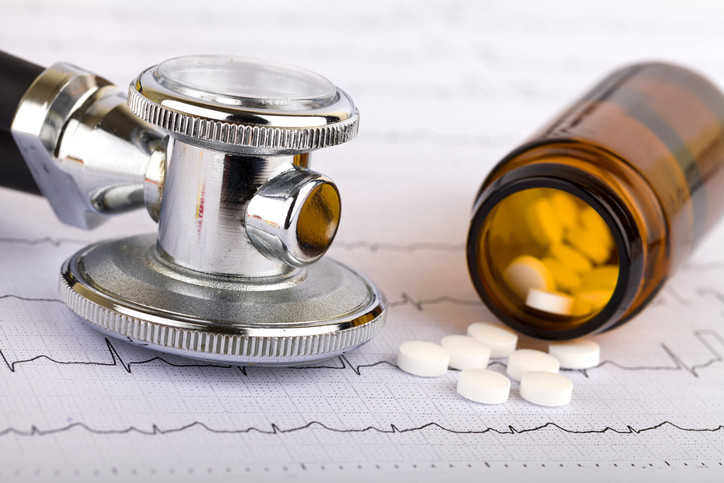
Taking heart medications? Don’t forgo healthy habits
Research we're watching
People may let healthy eating and exercise habits slide after starting prescription heart medications, according to a study in the February 18 Journal of the American Heart Association.
The study involved more than 40,000 Finnish people whose average age was 52. From 2000 to 2013, researchers surveyed them at least twice every four years about their body mass index and their exercise, smoking, and drinking habits. They used pharmacy records to track if the participants began taking blood pressure drugs or statins.

How accurate are wearable heart rate monitors?
Research we're watching
Smart watches and wrist-worn fitness trackers that estimate your heart rate appear to be reliable in people with a range of different skin tones. But their accuracy may vary during different types of everyday activities, a new study finds.
Researchers recruited 53 people with different skin tones to test six different devices, which work by measuring changes in blood flow through the skin using a special sensor. The volunteers also wore electrocardiogram patches (which provide a gold-standard heart rate measurement) while they did different activities: sitting still, breathing deeply, walking, and typing.
Even a little exercise linked with lower stroke risk in people with afib
Testosterone therapy without evidence of deficiency may boost heart risk
Weight-loss drug may lower risk of heart attacks and infections
What to eat on the DASH diet
Migraine: How it's diagnosed and what that means
Tricep workouts you can do at home
Mindfulness practices to reduce stress and improve focus
Antihistamines may not offer meaningful relief from eczema symptoms
Overweight and taking blood pressure medications: Study finds it's a trend that's working
FDA approves first mRNA-based flu vaccine
Free Healthbeat Signup
Get the latest in health news delivered to your inbox!
Sign Up
