

Even a little exercise linked with lower stroke risk in people with afib

Testosterone therapy without evidence of deficiency may boost heart risk

Weight-loss drug may lower risk of heart attacks and infections

What to eat on the DASH diet

Migraine: How it's diagnosed and what that means

Tricep workouts you can do at home

Mindfulness practices to reduce stress and improve focus

Antihistamines may not offer meaningful relief from eczema symptoms

Overweight and taking blood pressure medications: Study finds it's a trend that's working

FDA approves first mRNA-based flu vaccine
Heart Attack Archive
Articles

Will a good night’s sleep help my heart?
Millions of Americans have trouble sleeping, a factor that is key to cardiovascular health. Two recent studies examined the relationship between sleep and heart health, and between sleep and dietary choices.

Weight-loss surgery may lower risk of heart disease in people with diabetes
Most people with type 2 diabetes also have obesity. Weight-loss surgery has a positive impact on risk factors for heart disease, and a recent study found that this surgery significantly reduced the risk of death in people with obesity and diabetes.

Rethinking low-dose aspirin
New studies shed light on the role of aspirin for people without a previous heart attack or stroke.
Image: © dszc/Getty Images
It costs just pennies per pill, doesn't require a prescription, and may be lifesaving for some people. But daily low-dose aspirin doesn't make sense for everyone. Now, three major studies that examined the benefits and risks of this widely used drug may alter the advice about who should take aspirin.
"Aspirin remains a cornerstone of treatment after a heart attack or stroke. But the question of whether people with a low to moderate risk of heart disease should take aspirin is a really important one," says Dr. Christopher Cannon, a cardiologist at Brigham and Women's Hospital and professor of medicine at Harvard Medical School. Tens of millions of people in the United States fall into that low-to-moderate-risk category. But until now, there weren't many large trials that included those people, he notes.

Eating can cause low blood pressure
Postprandial hypotension, low blood pressure that occurs after eating, can cause dizziness, chest pain, nausea, or other issues, particularly in the elderly.

How to lower your cholesterol without drugs
Trans fats and saturated fats can raise LDL cholesterol levels. A diet rich in unsaturated fats, whole grains, and fruits and vegetables can lower them.

Recognizing and treating depression may help improve heart health

Think running is not for you? Try this
Not a fan of running? Good news: You don’t need to run fast, far, or that often to reap benefits. And you can ease into running by doing a run/walk program, where you alternate periods of running and walking and gradually increase the time spent running.

Aspirin for heart attack: Chew or swallow?
Immediate first aid works to minimize blood clotting triggered by plaque ruptures
How should you take aspirin for a heart attack? You've always been healthy, but you seemed to run out of steam at your wife's 60th birthday dinner last week. And now your chest feels heavy, as if you're in a vise. You take some antacids, even though it's 7:00 a.m. and you haven't even had breakfast. But you get no relief, and the pain is spreading to your jaw and shoulder. You call your wife, who takes one look at you and rushes to the phone. After calling 911, she brings you an aspirin and some water.
Your wife got it right: You may be having a heart attack, and you need to get to the hospital fast. You also need to get some aspirin into your system quickly — but should you chew the tablet or swallow it?
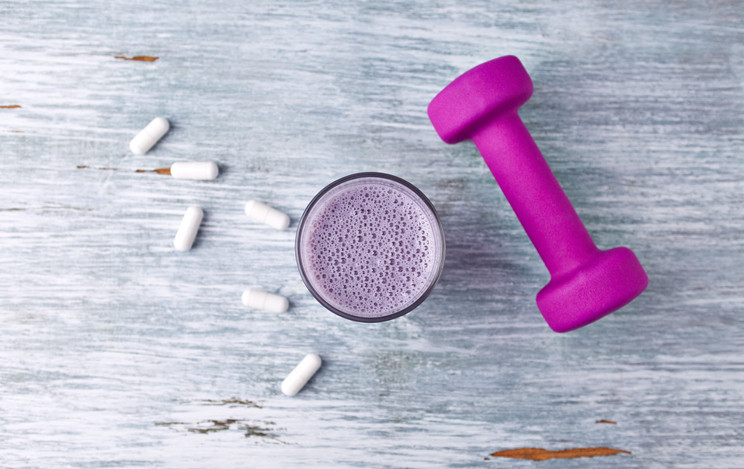
Lifestyle changes are important even if you take medications
People who are prescribed medication for high cholesterol or high blood pressure may be more likely to gain weight and less likely to exercise, but for those who are on such medications, it’s even more important to commit to making healthier lifestyle choices.
How does cardiovascular disease increase the risk of severe illness and death from COVID-19?
Initial investigation into COVID-19 focused on its respiratory effects, but a more recent report describes serious cardiovascular complications in people with pre-existing heart disease. How does this underlying condition increase risk for these people?
Even a little exercise linked with lower stroke risk in people with afib
Testosterone therapy without evidence of deficiency may boost heart risk
Weight-loss drug may lower risk of heart attacks and infections
What to eat on the DASH diet
Migraine: How it's diagnosed and what that means
Tricep workouts you can do at home
Mindfulness practices to reduce stress and improve focus
Antihistamines may not offer meaningful relief from eczema symptoms
Overweight and taking blood pressure medications: Study finds it's a trend that's working
FDA approves first mRNA-based flu vaccine
Free Healthbeat Signup
Get the latest in health news delivered to your inbox!
Sign Up
