

Even a little exercise linked with lower stroke risk in people with afib

Testosterone therapy without evidence of deficiency may boost heart risk

Weight-loss drug may lower risk of heart attacks and infections

What to eat on the DASH diet

Migraine: How it's diagnosed and what that means

Tricep workouts you can do at home

Mindfulness practices to reduce stress and improve focus

Antihistamines may not offer meaningful relief from eczema symptoms

Overweight and taking blood pressure medications: Study finds it's a trend that's working

FDA approves first mRNA-based flu vaccine
Heart Attack Archive
Articles

An advance in heart transplantation
Every year, hundreds of people in the United States die waiting for a heart transplant. A new procedure may make more donated hearts available.
In this country, more than 7,300 people are on the waiting list for a new heart during the course of a year. The majority are in their 50s and early 60s, and most have severe, debilitating heart failure. But because of a shortage of suitable donor hearts, fewer than half will receive a heart transplant. However, an emerging technique known as donation after circulatory death may help address that gap in coming years.
For decades, all heart transplants done in the United States have used hearts donated after brain death, which is defined as the irreversible loss of all brain function. Organs other than the heart — including lungs, kidneys, and livers — are donated after either brain death or after circulatory death, a circumstance known as donation after circulatory death, or DCD (see "What is donation after circulatory death?"). But in recent years, researchers in Australia and England began pioneering heart transplants following circulatory death.

Seed of the month: Chia seeds
Ten years ago, the Harvard Heart Letter published a story about the potential health benefits of chia seeds. At the time, people were more familiar with the ceramic figures known as Chia Pets (see www.chia.com) than the idea of chia seeds as a health food. But today, you can find these nutritious seeds in major grocery stores, sold in packages or in products such as crackers, cereals, energy bars, and beverages.
The small, black seeds are among the richest plant sources of the omega-3 fatty acid known as alpha-linolenic acid (ALA). Diets high in ALA have been linked to a lower risk of heart disease. Chia seeds are also high in insoluble fiber, which may help lower harmful LDL cholesterol levels.

Cracking coconut oil’s "health halo"
Research we're watching
Thanks to marketing strategies that tout coconut oil as healthy, many people consider this solid, white fat a health food. But a new analysis confirms what nutrition experts have said for years: Coconut oil raises harmful LDL cholesterol (a well-known contributor to heart disease) much more than other vegetable oils.
The study, published online March 10, 2020, by the journal Circulation, pooled findings from 16 trials involving a total of 730 people. Most of the trials lasted one to two months and compared coconut oil consumption with that of other fats, including other vegetable oils such as soybean, safflower, canola, and olive oils. Compared with these vegetable oils, coconut oil raised LDL cholesterol by 10 points, on average. An editorial accompanying the study states "In culinary practice, coconut oil should not be used as a regular cooking oil, although it can be used sparingly for flavor or texture."

Is your home blood pressure monitor accurate?
Research we're watching
Most home blood pressure monitors sold in Australia are not carefully tested for accuracy, according to a study published online April 10, 2020, by the journal Hypertension.
Because more than 90% of the devices the researchers studied were purchased from international online platforms such as Amazon and eBay, that means many devices purchased in the United States and elsewhere might give inaccurate readings, the authors say.

Yoga-based cardiac rehabilitation: A promising practice?
Research we're watching
A yoga-based rehabilitation program may be a safe alternative to conventional cardiac rehab, a new study suggests. A customized program of exercise and education, conventional rehab helps people recover from heart-related problems.
The study included nearly 4,000 heart attack survivors in India, where cardiac rehab programs are uncommon. Half took part in a program featuring 13 weekly sessions of gentle yoga exercises. The other half received standard care, which included three sessions of advice and handouts.


Grapefruit juice and statins
Q: I've heard that people shouldn't drink grapefruit juice if they're taking a statin. Why?
A: Certain classes of drugs — most notably statins — are metabolized (broken down) in your intestines by an enzyme called CYP3A, which normally reduces the amount of drug that enters your bloodstream. Grapefruit juice contains compounds called furanocoumarins that stop CYP3A from doing its job. As a result, more of the drug is absorbed, making it more powerful than it's meant to be — even toxic in some cases.

How to stock a plant-based pantry (and fridge) on a budget
Given the economic stresses stemming from the current pandemic situation, many of us are trying to maintain healthy eating habits while also spending less. Adjusting your food purchases to include more plant-based choices can help your health and your budget.
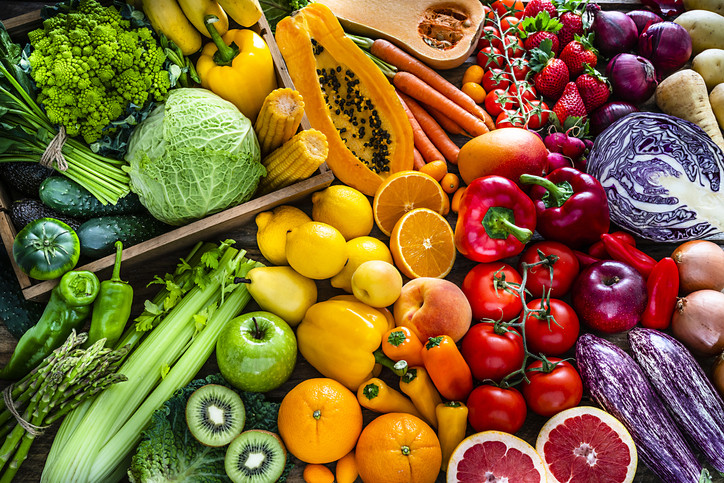
Better heart health in eight weeks? Double down on fruits and veggies
Want to improve heart health? New research based on blood samples from the original DASH diet shows the DASH diet and another diet high in fruits and veggies can lower measures of heart strain and heart muscle damage within eight weeks.

Are statins enough? When to consider PCSK9 inhibitors
Statins have been used to treat high cholesterol for decades, but some people who take statins still have LDL cholesterol levels that are too high. A different type of medication, PCSK9 inhibitors, were approved several years ago and are showing effectiveness in lowering LDL in such people.
Even a little exercise linked with lower stroke risk in people with afib
Testosterone therapy without evidence of deficiency may boost heart risk
Weight-loss drug may lower risk of heart attacks and infections
What to eat on the DASH diet
Migraine: How it's diagnosed and what that means
Tricep workouts you can do at home
Mindfulness practices to reduce stress and improve focus
Antihistamines may not offer meaningful relief from eczema symptoms
Overweight and taking blood pressure medications: Study finds it's a trend that's working
FDA approves first mRNA-based flu vaccine
Free Healthbeat Signup
Get the latest in health news delivered to your inbox!
Sign Up
