

CoQ10: Should you take this popular supplement if you're on a statin?

Microplastics: A hidden health threat?

Oat vs. dairy milk: Nutrition, benefits, and downsides

What is tempeh? Benefits, nutrition, and how to use it

Healing after food poisoning

Children of centenarians may stay healthier and live longer too, study finds

Light exposure at night may raise risk for heart disease

A lumbar belt may help ease low back pain

Whole grains may improve several heart risk factors at once

Signs of pneumonia: Sometimes vague and unexpected
Healthy Eating Archive
Articles

The best beverages for your heart
Sweet drinks go down easy, but they may be hard on your heart. Aside from plain water, the healthiest choices are unsweetened tea, coffee, and flavored waters.
When you want to quench your thirst with something a little more exciting than plain old water, there are a dizzying array of choices these days. However, many of the beverages in supermarkets and convenience store aisles are loaded with added sugar. Even many of those that sound healthy (such as 100% fruit juice and vitamin-enhanced water) contain as much sugar as regular sodas.
Yes, the sugar in fruit juice is naturally occurring, as opposed to the processed sugar (usually high-fructose corn syrup) found in many carbonated and noncarbonated drinks such as sodas, vitamin water, and the like. But people should still be mindful about consuming too much fruit juice, says Vasanti Malik, a nutrition researcher at the Harvard T.H. Chan School of Public Health.


Do employee wellness programs actually work?
Do employee health programs lead to healthier, more productive employees? A large study shows little or no impact, although results might vary based on workplace, offerings, and other factors.

Maximizing home food delivery
Take advantage of the many delivery options to keep your diet fresh, healthy, and full of variety.
Getting groceries or prepared meals without leaving your couch is easier than ever in this era of home delivery. That's important for people who have difficulty getting to the grocery store because they don't drive or because they're struggling with a chronic condition.
But the many options for food delivery may have you wondering where to begin. Here's a look at some widely used services and what to keep in mind when you use them.

Skip vitamins, focus on lifestyle to avoid dementia
News briefs
Vitamins and supplements won't help stave off dementia, but a healthy lifestyle might, suggest new guidelines released May 19, 2019, by the World Health Organization (WHO). The WHO warns that the number of new dementia cases around the world — currently 10 million per year — is set to triple by 2050. While there's no cure for any kind of dementia (such as Alzheimer's disease and vascular dementia), the WHO says it may be possible to delay the onset of the disease or slow its progression. The key: managing modifiable risks, such as chronic disease and unhealthy habits. The guidelines recommend that you keep your weight, cholesterol, blood pressure, and blood sugar under control; get lots of exercise; and eat a Mediterranean-style diet (which emphasizes olive oil, fruits, vegetables, nuts, and fish; minimizes red meats and processed meats; and includes a moderate amount of cheese and wine). The WHO also advises that you don't smoke and you avoid harmful use of alcohol (no more than one drink per day for women, no more than two drinks for men). But don't count on supplements to help you stave off dementia. The WHO says there's no evidence that vitamin B, vitamin E, multivitamins, or fish oil supplements help reduce the risk for dementia. The agency recommends against using supplements as a means to ward off cognitive decline.
Image: © kali9/Getty Images
Ultra-processed foods appear to cause overeating and weight gain
News briefs
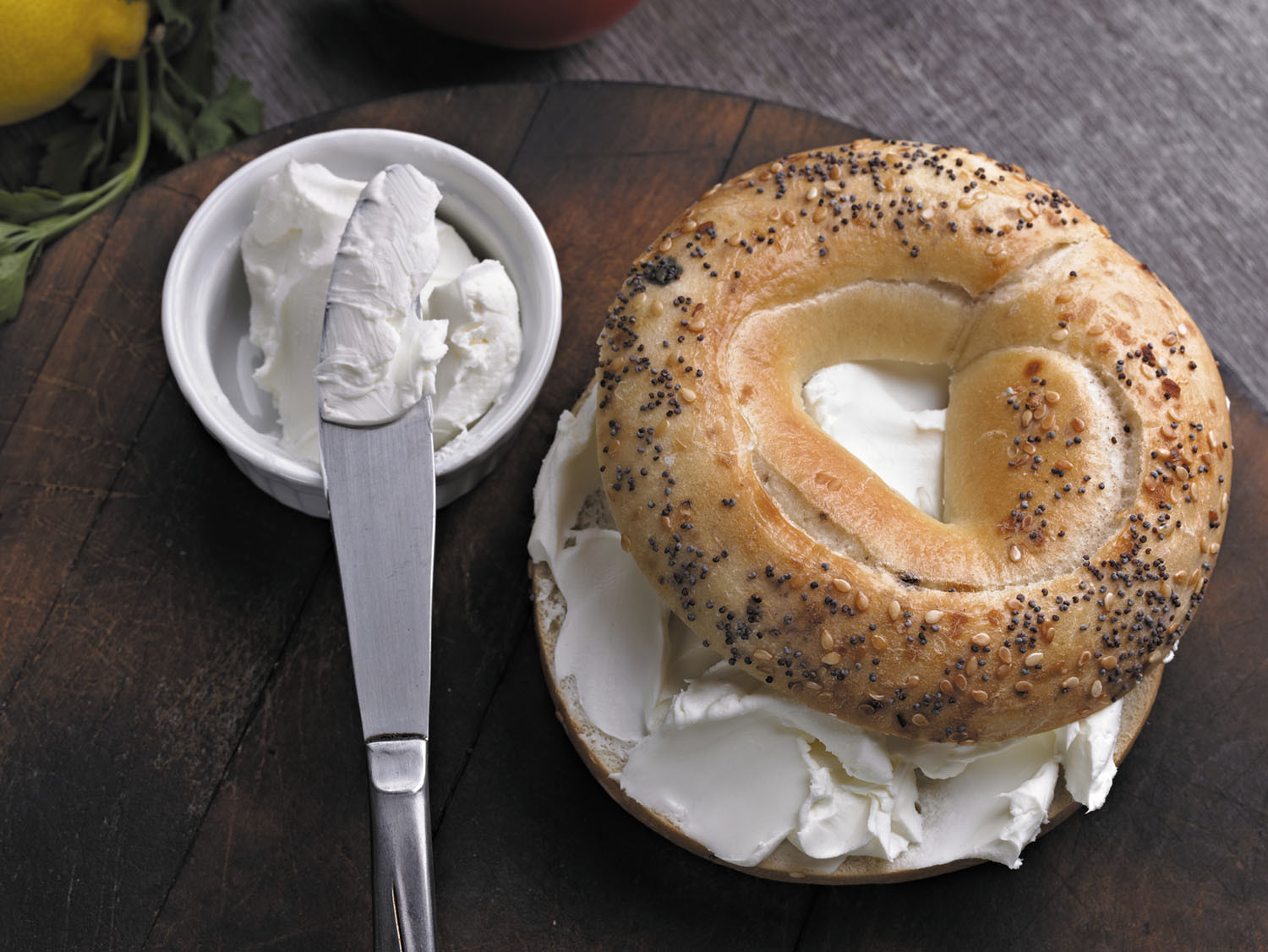
Eating food that's ultra-processed — not just chips or cookies, but also things like breakfast cereal, deli meat, or canned fruit in syrup — makes people overeat and gain weight, compared with eating food that's unprocessed. That's according to a small randomized controlled trial published online May 16, 2019, by Cell Metabolism. It involved 20 men and women who stayed at a research facility for a month and were randomly assigned to one of two diets. One group was given ultra-processed foods (such as a breakfast of a bagel with cream cheese and turkey bacon), and the other group was fed unprocessed foods (such as a breakfast of oatmeal with bananas, walnuts, and skim milk). After two weeks, participants were switched to the opposite diets. Both diets were evenly matched for total calories, macronutrients, fiber, sugars, and sodium, and participants were allowed to eat as much or as little as they wanted. But they ate more calories when they were eating ultra-processed foods, compared with when they ate unprocessed foods, and they gained more weight on the ultra-processed diet. Why? It's not exactly clear, but researchers did find that appetite-suppressing hormones decreased and hunger hormones increased when people ate processed foods. Bottom line: Eat whole, unprocessed foods with as few ingredients as possible.
Image: © 4kodiak/Getty Images
Counting on calories
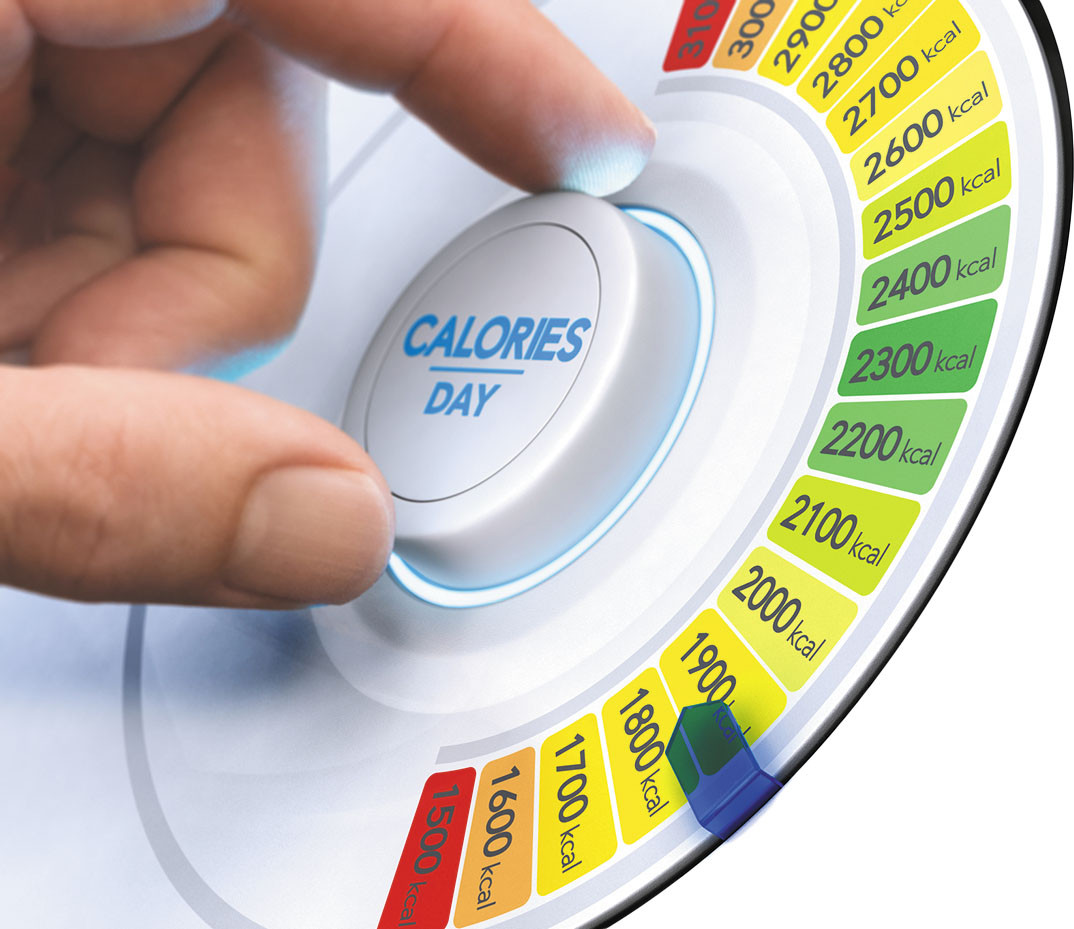
How many daily calories do you really need? It depends on many factors.
When it comes to nutrition, calories embody the ultimate love-hate relationship. Consume too little, and you don't have the energy to function at your best. Eat too much, and you risk weight gain. It's no surprise, then, that counting calories can be such an obsession.
But how much do you really need every day? Unfortunately, there is not a single, simple answer. Men ages 50 and older require 2,000 to 2,800 calories per day, or an average of about 2,500, says Dr. Qi Sun, associate professor in the Department of Nutrition at the Harvard T.H. Chan School of Public Health.

Soy protein helps lower bad cholesterol a small but important amount
In the journals
Another way to lower LDL (bad) cholesterol levels? Eat more soy protein, suggests a study published online April 22, 2019, by The Journal of Nutrition.
Researchers examined 43 trials to evaluate the effect soy had on LDL levels. (High LDL levels can lead to a buildup of cholesterol in arteries and increase a person's risk of cardiovascular disease.)
Salt sensitivity: Sorting out the science
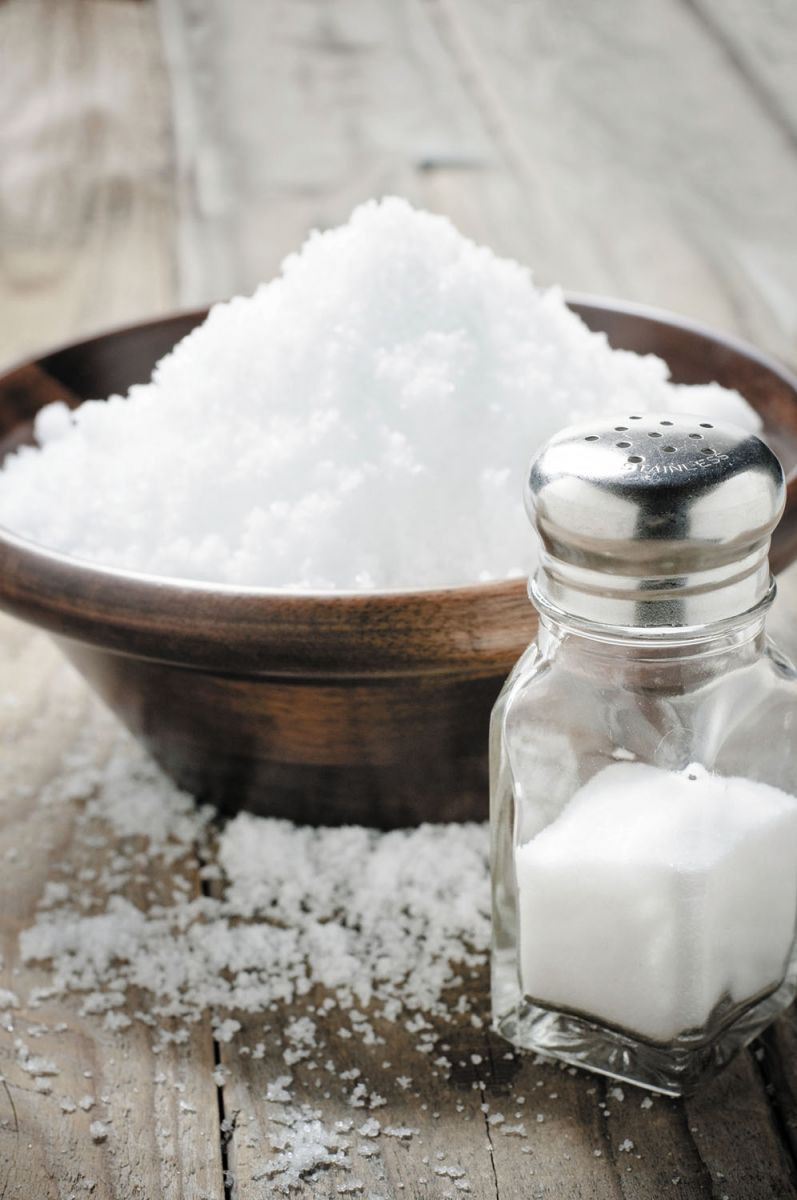
Eating too much salt usually boosts blood pressure, but not in everyone. Understanding the genetic basis of these differences may improve treatment of high blood pressure.
Do you know someone who eats lots of salty food — pizza, pickles, pretzels, and the like — but has naturally low blood pressure? That person may be salt-resistant, which means his or her blood pressure doesn't rise very much in response to a diet high in salt (sodium chloride). In contrast, other people are salt-sensitive, which means their blood pressure rises by 5 points or more if they switch from a low-sodium to a high-sodium diet.
Unfortunately, there isn't an easy test to determine who is salt-sensitive, says endocrinologist Dr. Gordon Williams, professor of medicine at Harvard Medical School. "Still, we know that Americans eat far more salt than they actually need, so it makes sense to advise everyone cut back on salt," he says.
CoQ10: Should you take this popular supplement if you're on a statin?
Microplastics: A hidden health threat?
Oat vs. dairy milk: Nutrition, benefits, and downsides
What is tempeh? Benefits, nutrition, and how to use it
Healing after food poisoning
Children of centenarians may stay healthier and live longer too, study finds
Light exposure at night may raise risk for heart disease
A lumbar belt may help ease low back pain
Whole grains may improve several heart risk factors at once
Signs of pneumonia: Sometimes vague and unexpected
Free Healthbeat Signup
Get the latest in health news delivered to your inbox!
Sign Up
