

Fatty liver disease: Should you be tested?

Even a little exercise linked with lower stroke risk in people with afib

Testosterone therapy without evidence of deficiency may boost heart risk

Weight-loss drug may lower risk of heart attacks and infections

Migraine: How it's diagnosed and what that means

Tricep workouts you can do at home

Mindfulness practices to reduce stress and improve focus

Antihistamines may not offer meaningful relief from eczema symptoms

Overweight and taking blood pressure medications: Study finds it's a trend that's working

FDA approves first mRNA-based flu vaccine
Healthy eating for older adults Archive
Articles

Smart chocolate choices for a healthy heart
The advice to eat chocolate should be taken with a grain of salt.
Image: Leszek Kobusinski/Thinkstock
Like bees swarming a melting candy bar, the media buzz around the purported health benefits of chocolate has been hard to ignore. The possibility that such a sumptuous treat might actually be good for your heart is very sweet news, indeed.
But there's a lot more to this story that we need to understand before going hog wild in the candy aisle, says Dr. Howard Sesso, associate professor in the division of preventive medicine at Harvard-affiliated Brigham and Women's Hospital. "Simply recommending that people eat dark chocolate as a way of improving health is very misleading, since chocolate products tend to have a significant amount of fat, sugar, and calories." Instead, he and colleague Dr. JoAnn Manson are embarking on the Cocoa Supplement and Multivitamin Outcomes Study (COSMOS), a four-year trial involving 18,000 participants that is designed to tease out the intricacies of chocolate's health-promoting nutrients (www.cosmostrial.org).

Ask the Doctor: Which exercise is best for brains?
Image: Thinkstock
Q. I heard regular aerobic exercise is better for the brain than strength exercises (resistance training). Is that true?
A. The study you probably heard about involved rats, not humans. The rats were made to engage each day in sustained aerobic exercise, high-intensity interval training, or resistance training, or they were allowed to just be sedentary. At the end of the study, the researchers examined the rats' brains. The rats doing regular aerobic exercise had more brain cells than the sedentary rats. However, the rats made to perform high-intensity interval training or the ones doing resistance training did not have more brain cells than the sedentary rats.
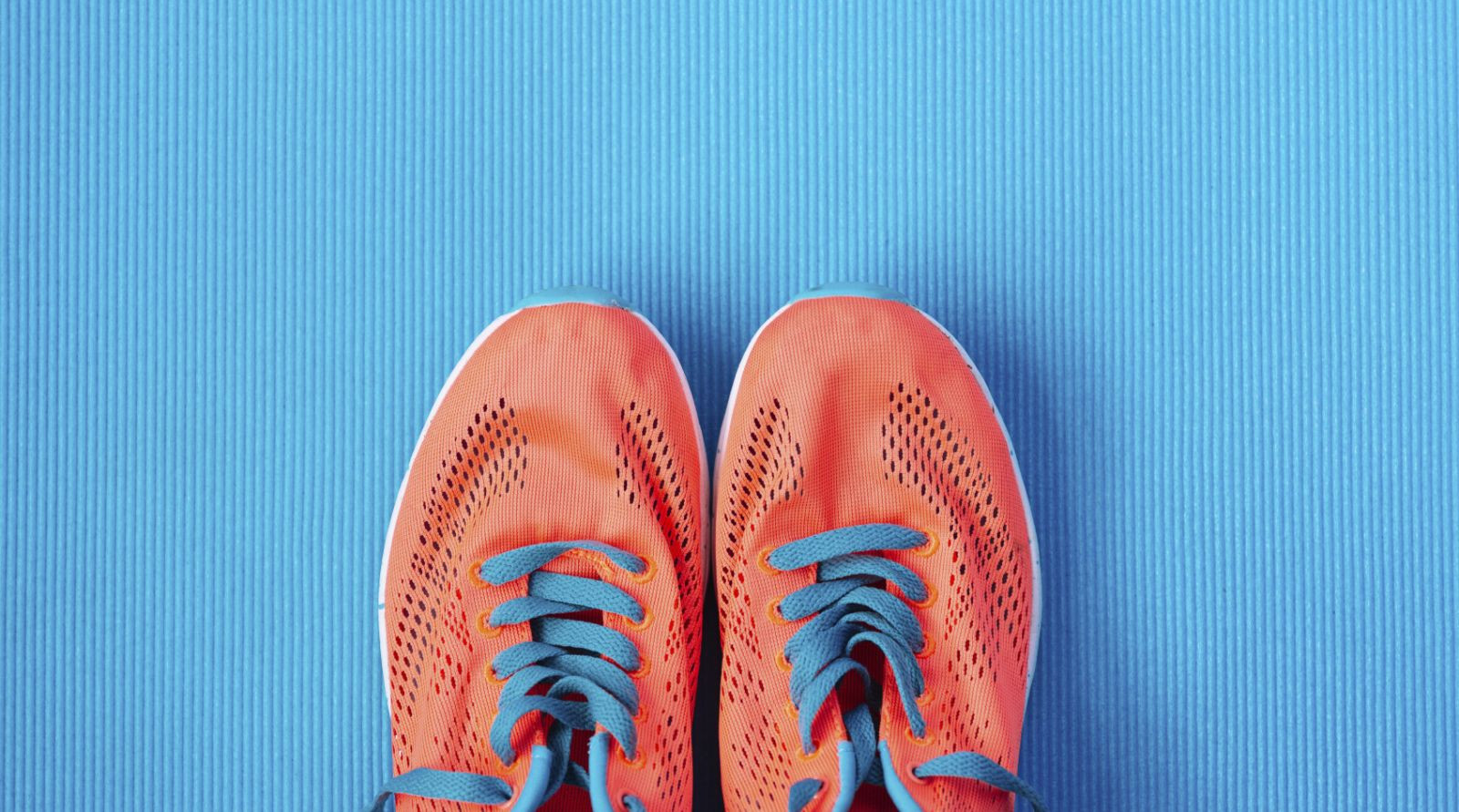
Foot problems? Try these tips to find comfortable shoes
Look for roomy toe boxes, soft inner soles, and sturdy heel counters to give you a better fit and help you stay on the go.
Image: Thinkstock
Bunions, hammertoes, corns, and calluses all make shoe buying a chore. But the wrong shoes can impair your mobility and independence. "Pain from any of those conditions can alter your gait," says Dr. James Ioli, assistant professor of orthopedic surgery at Harvard Medical School.
Corns and calluses
Bunions and hammertoes
A bunion develops at the base of your big toe when two bones no longer connect properly, causing the base to jut out-ward. Some people are genetically vulnerable to getting bunions. However, bunions are more likely to develop in people (often women) wearing shoes that crowd the toes.
Hammertoes are deformed, bent toes that may result from poorly fitting shoes, a ligament problem, or a bunion that pushes one toe over another.
If bunions and hammertoes don't bother you, there's no need to treat them. "I have many patients who are runners with hammertoes and bunions who successfully compete without any trouble. It's all a matter of individual mechanical issues," says Dr. Ioli. If the deformities bother you, surgery to realign the bones is possible, but that is a last resort.
Shoe hunt
Other options
Even a roomy toe box may cause a little friction when you walk. That's when using moleskin pads on your toes or feet can help. These soft pads have an adhesive backing that you attach to an affected foot or toe area, or to the inside of your shoe. It protects against friction. You can find moleskin pads in drugstores. Toe separators can help relieve pain from corns be-tween the toes.
Some shoes are designed specifically to relieve pressure on bunions. You can find them in specialty shoe stores. But prepare to pay more for these kinds of shoes. They typically run $100 to $200 per pair. Are they worth it? "If they relieve pressure points and decrease pain on the bunion or hammertoes or any deformity, that's good," says Dr. Ioli, "but you can find comfortable shoes for less if you do a little detective work."
Figure 1: Finding a comfortable fit for ailing feetWhen shopping for comfy shoes, look for these important features. |


Couch potato in midlife, smaller brain later?
Image: Yuri Arcurs/Thinkstock
News Briefs
Here's something to jolt you off the couch and get you exercising: a study published Feb. 10, 2016, in Neurology links poor fitness levels in middle age to brain shrinkage 20 years later. Researchers, including some from Harvard Medical School, looked at the cardiovascular fitness of about 1,100 people, average age of 40, who were free of dementia and heart disease. The participants had taken treadmill tests to determine their cardiovascular fitness levels based on how much oxygen their bodies used during exercise. About 20 years later, participants took another treadmill test and underwent neuropsychological testing and MRI brain scans. The scans showed that people who were unfit in middle age had smaller brains in older age, compared with people who were fit in middle age. This doesn't prove that inactivity in midlife causes brain shrinkage. But previous studies have shown that regular, moderate-intensity exercise may be associated with slower brain aging.

5 key questions to help you develop a caregiving plan
If you're taking on the role of caregiver for the first time, you probably have many questions: What exactly will it entail? Where can you find help? How do you even start?
When faced with this kind of uncertainty, the best thing you can do for your loved one — and yourself — is to make a caregiving plan. Of course, your loved one's needs may change over time, and you can never plan for every last detail or eventuality. But if you begin by covering the basics, you will have an important foundation to build on later.

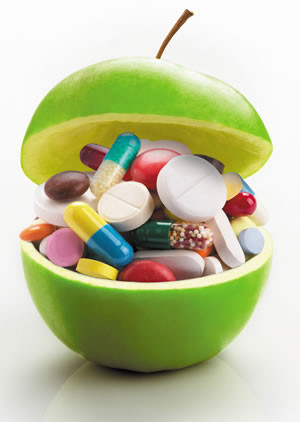
Dietary supplements for cholesterol: Are any worth a try?
Various herbs and other supplements have been touted for their ability to improve cholesterol levels. Here's what the research shows — and doesn't show — about some of the best-known products.
Hawthorne. The leaves, berries, and flowers of this plant are used to make medicine that was traditionally used to treat cardiovascular diseases. It may lower cholesterol by increasing the excretion of bile and decreasing the body's production of cholesterol. Verdict: It may possibly help.

Fatty liver disease: Should you be tested?
Even a little exercise linked with lower stroke risk in people with afib
Testosterone therapy without evidence of deficiency may boost heart risk
Weight-loss drug may lower risk of heart attacks and infections
Migraine: How it's diagnosed and what that means
Tricep workouts you can do at home
Mindfulness practices to reduce stress and improve focus
Antihistamines may not offer meaningful relief from eczema symptoms
Overweight and taking blood pressure medications: Study finds it's a trend that's working
FDA approves first mRNA-based flu vaccine
Free Healthbeat Signup
Get the latest in health news delivered to your inbox!
Sign Up
