

Fatty liver disease: Should you be tested?

Even a little exercise linked with lower stroke risk in people with afib

Testosterone therapy without evidence of deficiency may boost heart risk

Weight-loss drug may lower risk of heart attacks and infections

Migraine: How it's diagnosed and what that means

Tricep workouts you can do at home

Mindfulness practices to reduce stress and improve focus

Antihistamines may not offer meaningful relief from eczema symptoms

Overweight and taking blood pressure medications: Study finds it's a trend that's working

FDA approves first mRNA-based flu vaccine
Healthy eating for older adults Archive
Articles
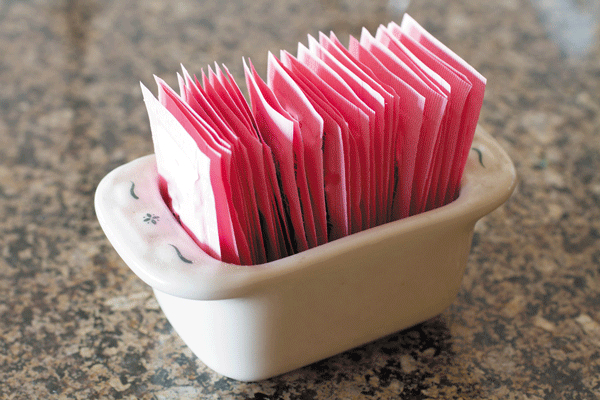
Are artificial sweeteners safe?
Ask the doctor
Image: Thinkstock
Q: My doctor advised me to give up my soda habit, but I was thinking about switching to diet soda. What is your advice about the safety of artificial sweeteners?
A: I support your decision to decrease the amount of added sugar in your diet, but it is less clear if artificial sweeteners are the answer. These sugar substitutes do appear to be safe when consumed in usual amounts. Initial studies in rats, performed decades ago, raised a possible link to bladder cancer, but no subsequent studies in humans have confirmed this relationship.

Retired men at work
Retirement is your reward for a long work life, but research suggests that continuing to work in some way may offer a big payday for your health.
Image: Thinkstock
If you are retired, or counting the days, you may want to rethink leaving the workforce behind forever. Recent research has found that seniors who continue to work after age 65 are healthier than retirees.
"For many men, work defines who they are, and they still need to benefit from something meaningful and productive as they age, whether it's in their current job or field or something new," says Dr. William S. Pollack, assistant clinical professor in the Department of Psychiatry at Harvard Medical School. "Work can boost confidence, self-esteem, and happiness, all of which can help men stay active and live longer."

Straight talk about oral health
Healthy teeth and gums can protect against tooth loss, gum disease, and even heart disease.
Image: Thinkstock
If you want a snapshot of your current and future health, then open wide. "The condition of your teeth and gums can often show warning signs of serious issues, from potential tooth loss to possible cardiovascular disease and cancer," says Dr. Lisa Simon, instructor in oral health policy and epidemiology at the Harvard School of Dental Medicine.
Tooth decay and gum disease
The main issue with oral health is tooth decay, which strikes 90% of all adults, and gum disease, which affects approximately 40% of those ages 65 or older, says the Academy of Nutrition and Dietetics. Gum disease—infection of the gums and surrounding tissues—develops when plaque, a sticky film of bacteria, builds up along and under the gum line.

High-dose vitamin D may not lower risk of falls
Vitamin D supplementation has been proposed as a possible preventive strategy to improve lower-extremity function and reduce risk of falls among older adults. But taking higher doses does not improve function and also may increase the risk of falls, according to a study in the February 2016 issue of JAMA Internal Medicine.
The recommended daily allowance is 600 international units (IU) for men ages 51 to 70 and 800 IU for those older than 70. Many older adults get too little vitamin D in their diet and from sun exposure.

Why Harvard experts have a beef with the new meat guidelines
The final recommendations do not specify limiting consumption of red and processed meats, which have been linked to cancer risk.
Image: Thinkstock
The report of the Dietary Guidelines Advisory Committee, released in February 2015, suggested that the then-forthcoming update to the Dietary Guidelines for Americans adopt several changes from previous versions. It advised limiting added sugars to 10% of calories; removing the ceiling on dietary fats as long as saturated fat comprises no more than 10% of calories; and limiting consumption of red and processed meat.
When the final guidelines were released by the Department of Health and Human Services (HHS) and the Department of Agriculture (USDA) in January 2016, the caveat on red and processed meat was missing. Through that omission, the guidelines "censored conclusions of the scientific advisory committee," according to a statement on the website of the Harvard T.H. Chan School of Public Health. Dr. Frank Hu, Harvard professor of nutrition and epidemiology, was a member of the federal Dietary Guidelines Advisory Committee, which spent two years reviewing reams of scientific evidence on diet and health and drafting the guidelines that were submitted to HHS and USDA. "Although there are some areas of improvement in this edition over previous ones, some simple but important recommendations are watered down, especially reducing consumption of red and processed meat," he says.

How can I tell if I'm sleeping enough?
Ask the doctor
Q: I have always had difficulty sleeping. Since I have taken to heart the advice for good sleep habits, I think I'm sleeping better, but I'm not sure. I'm in bed about 8.5 hours, but am often restless and get up to go to the bathroom a couple of times during the night. Is there a way to compute how much sleep I'm actually getting?
A: Adequate sleep is an important part of health. While the exact amount needed to maximize health and wellness is not totally clear, many experts recommend around seven to nine hours per night. Adequate sleep is associated with memory, improved mood, better weight control, improved diabetes control, greater resistance to colds, and fewer accidents.
What's the purpose of the new mental health questionnaire?
Ask the doctors
Q: I went for my usual check-up, and in addition to taking my blood pressure, the medical assistant handed me a form to fill out with nine questions related to my mental health. I've never had this happen before. Is this new?
A: Yes, it is new for most people. The U.S. Preventive Services Task Force (USPSTF) has just released an important depression screening recommendation. The USPSTF recommends regular depression screening for all adults, which is a modification from advice originally given in 2009, in which screening was recommended only for clinics or doctors who had adequate support systems to provide mental health care for those who were identified with depression. Since that time, multiple studies have found that mental health care from primary care clinicians works very well, and probably just as well as specialist care from psychiatrists. That isn't to say we don't need care from psychiatrists, but rather that not everyone needs a psychiatrist, especially those with mild to moderate depression.

Why dietary supplements are suspect
Supplements aren't held to the same standards as FDA-approved drugs. Evidence indicates that few are effective, many are useless, and others may be harmful.
Image: Thinkstock
Dietary supplements—including herbs, vitamins, minerals, and other products—are a $37-billion industry in the United States, and 60% of women are taking them regularly. At the same time, mounting research is suggesting that supplements—even mainstays like calcium—may be harmful at high doses.
The use of supplements and other alternatives to standard treatments is centuries old, but Dr. David Eisenberg, adjunct associate professor at the Harvard T.H. Chan School of Public Health, was the first to document the widespread use of alternative therapies in the United States. In a 1993 article in The New England Journal of Medicine, Dr. Eisenberg and colleagues reported that more than a third of Americans were using unconventional therapies, largely for chronic conditions, and most were doing so without letting their clinicians know. That report covered acupuncture, spinal manipulation, massage, and yoga, but it also focused public attention on all unconventional treatments, including the growing use of herbal remedies and other dietary supplements. In 1998, the Office of Alternative Medicine in the National Institutes of Health (NIH) was revamped as the National Center for Complementary and Alternative Medicine and charged with funding rigorous studies into the safety and effectiveness of alternative physical treatments as well as popular dietary supplements and herbs.
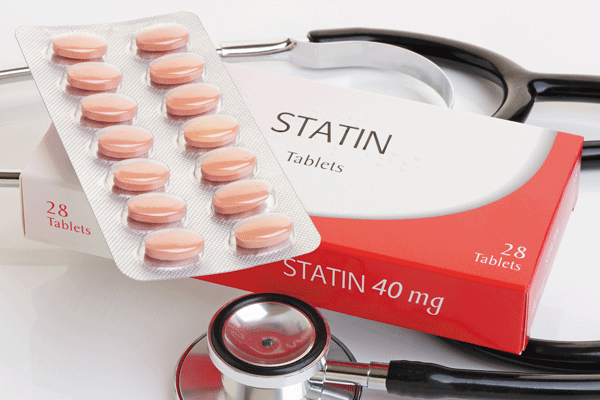
Why you may need a statin
Although risk calculators disagree, at some point age becomes the deciding factor in the decision to take a cholesterol-lowering medication.
Image: Thinkstock
If you've been diligent about monitoring your risk factors for developing heart disease, you may have realized that online calculators can be helpful. If you have the results from your latest cholesterol test, these online calculators can compute your chance of having a heart attack or stroke in the next decade:
Framingham Risk Calculator http://cvdrisk.nhlbi.nih.gov
ACC/AHA Heart Risk Calculator www.cvriskcalculator.com
Reynolds Risk Score www.reynoldsriskscore.org
However, each may give you a slightly different number. And while the Framingham calculator might indicate that your risk is low and therefore you don't need a cholesterol-lowering statin drug, the ACC/AHA calculator could indicate that you should be taking a statin to reduce your risk.

How to work around a minor hearing loss
If you're missing a few words but not ready for a hearing aid, a few simple strategies and smartphone apps may help.
Image: iStock
Are you avoiding certain restaurants because they're too noisy? Do you catch yourself wondering what you just heard the radio announcer say? Are you wearing out the volume control on your remote? Chances are you have a bit of hearing loss.
It's easy to ignore a hearing loss because it can be subtle and gradual. And you may be in denial because you don't like the idea of wearing hearing aids. Yet struggling to hear can erode your quality of life.
Fatty liver disease: Should you be tested?
Even a little exercise linked with lower stroke risk in people with afib
Testosterone therapy without evidence of deficiency may boost heart risk
Weight-loss drug may lower risk of heart attacks and infections
Migraine: How it's diagnosed and what that means
Tricep workouts you can do at home
Mindfulness practices to reduce stress and improve focus
Antihistamines may not offer meaningful relief from eczema symptoms
Overweight and taking blood pressure medications: Study finds it's a trend that's working
FDA approves first mRNA-based flu vaccine
Free Healthbeat Signup
Get the latest in health news delivered to your inbox!
Sign Up
