

Naturally gluten-free foods

Harvard study: Healthier fats linked to longer life after prostate cancer diagnosis

Shingrix shingles vaccine linked with lower heart disease risks

Estrogen-only hormone therapy tied to lower dementia risk
Should you have a hysterectomy?

Stair climbing may significantly lower cardiovascular risks

Why do I sweat so much?

Walking pneumonia: The "mild" illness that can still pack a punch

What causes knee pain: How doctors make a diagnosis

Where you carry excess weight matters in predicting heart disease risk
Healthy eating for diabetes Archive
Articles
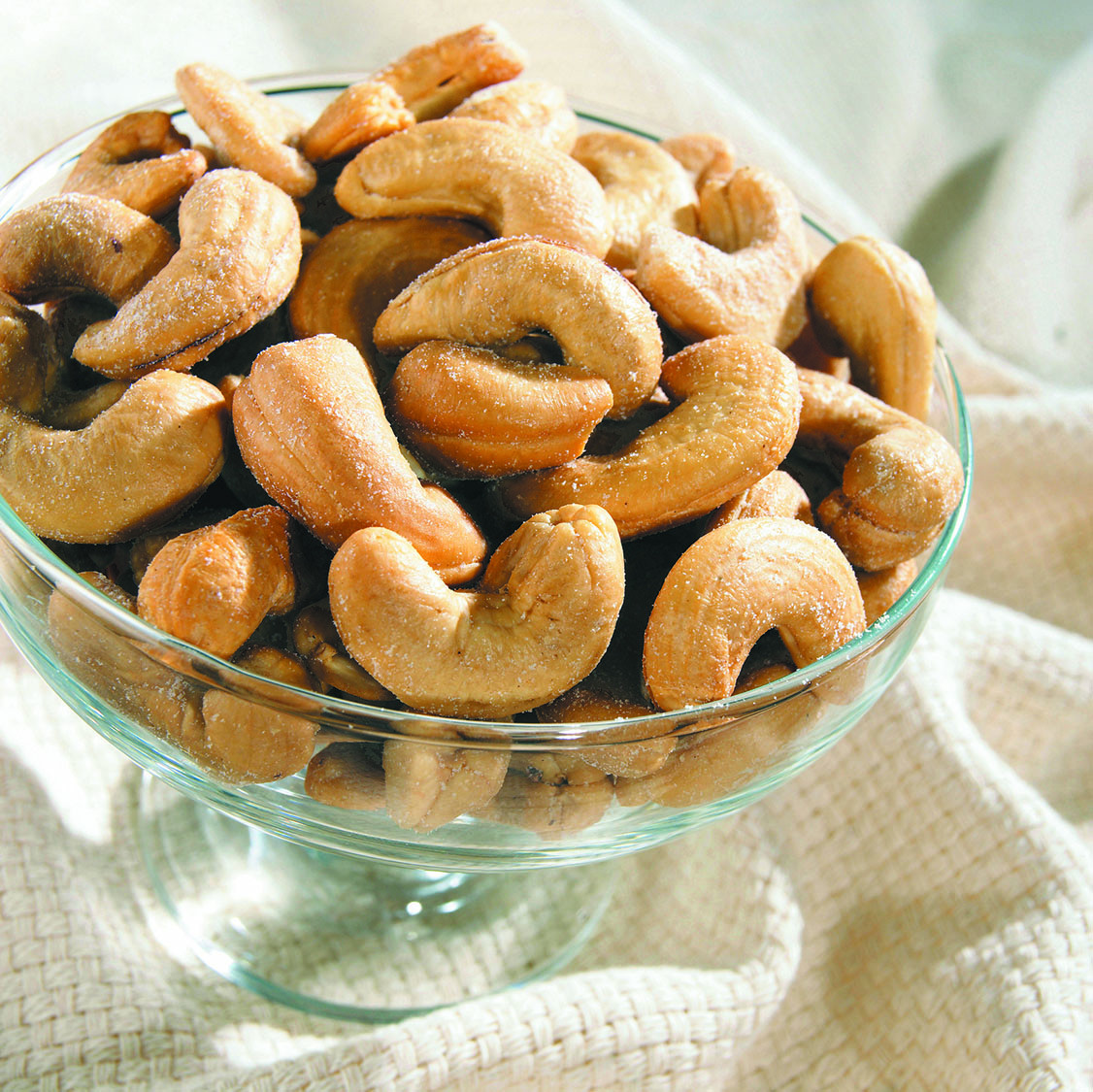
Cashews: A better choice than low-fat chips?
Research we're watching
Image: © Purestock/Thinkstock
If you're craving a crunchy snack, a handful of cashews is a heart-healthy choice, a small study suggests.
Although they're a popular pick in nut mixes, cashews have a bit of a bad rap. Because cashews contain about 20% saturated fat, the FDA omitted them from the qualified health claim suggesting that nuts may lower heart disease risk when eaten as part of a diet low in saturated fats and cholesterol.

Fish oil supplements may not help prevent heart disease
In the journals
Image: © DmitriyDanilchenko/Thinkstock
Omega-3 fish oil supplements can help prevent death from heart disease in patients who've had a heart attack, but a science advisory published March 28, 2017, in Circulation found there is no research to support their use to prevent heart disease in the general population.
Researchers reviewed all randomized clinical trials that evaluated the potential role for fish oil supplements to prevent cardiovascular disease, including two studies published before 2002 and 13 published since then. The studies assessed the clinical impact of fish oil treatment on cardiovascular outcomes, such as heart attacks, strokes, and atrial fibrillation (a heart rhythm disorder).

Why nutritionists are crazy about nuts
Mounting evidence suggests that eating nuts and seeds daily can lower your risk of diabetes and heart disease and may even lengthen your life.
If your idea of healthy eating was formed a few decades ago, it may be hard to shake the notion that you should avoid nuts, which are high in calories and fat. But new evidence has overturned that assumption. In fact, a recent analysis of the nation's eating habits and health outcomes suggests that eating too few nuts and seeds is associated with an increased risk of dying from cardiovascular disease or diabetes.
For that study, in the March 7, 2017, Journal of the American Medical Association, researchers from the Tufts Friedman School of Nutrition Science and Policy relied on a model that used data from scores of observational studies on diet and health, including the National Health and Nutrition Examination Surveys, which provided detailed information on Americans' eating habits over the decade ending in 2012. They estimated that in 2012, over 300,000 deaths from heart disease, stroke, or type 2 diabetes — about 45% of all deaths from those conditions — were associated with eating either too much or too little of 10 nutrients.

Stop diabetes before it begins
Millions have prediabetes and don't know it. Here is why it's important to find out and act to lower your diabetes risk.
Image: © shelma1/Thinkstock
An estimated one out of three American adults is prediabetic, which means blood sugar levels are higher than normal but below the threshold for type 2 diabetes. Yet 90% of these people do not realize they are in this dangerous gray zone.
"You are not going to have symptoms for prediabetes," says Dr. David Nathan, director of the Harvard-affiliated Massachusetts General Hospital Diabetes Center. "Instead, you or your doctor should determine if you have any of the common risk factors, get your blood sugar levels checked to determine if you have prediabetes, and then make the necessary lifestyle changes you need to stop type 2 diabetes from occurring."

The "other" incontinence — don't suffer in silence
Most people who are suffer from fecal incontinence do so in silence. As a result, the number of people with the condition — which results in the involuntary release of gas or stool — isn't known. But the scant evidence at hand indicates that it usually begins during one's 40s or 50s.
You don't have to live with incontinence — there are treatment options, which include dietary changes and bowel training regimens, and surgery for some people.

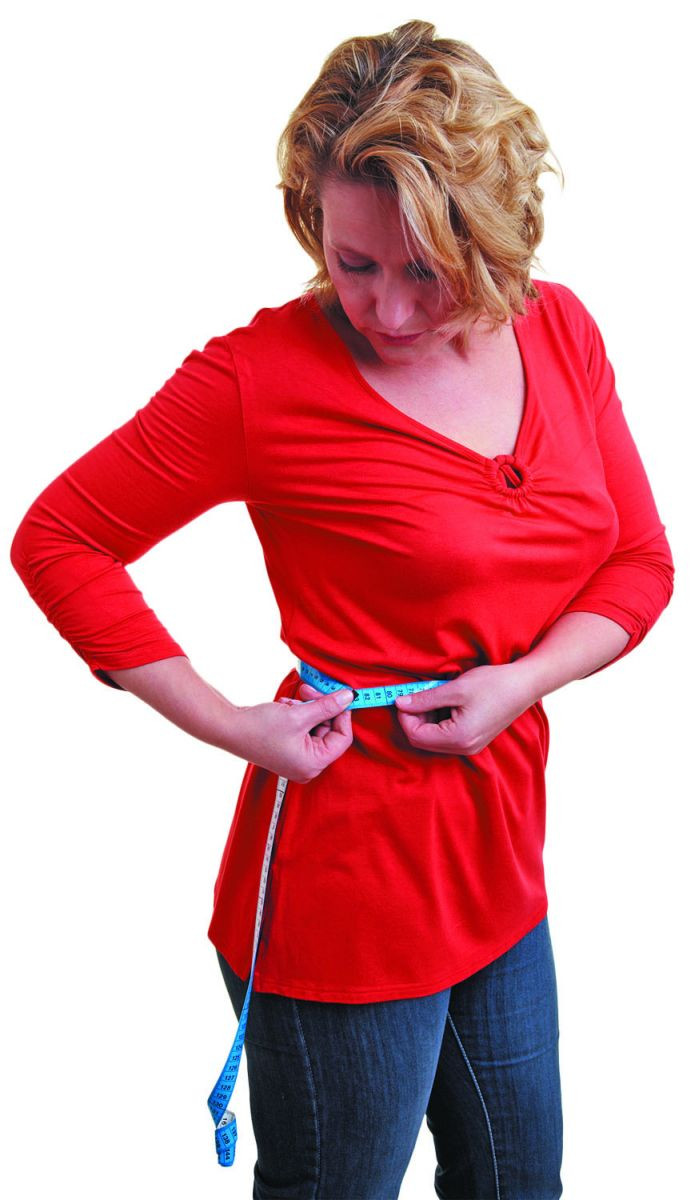
Why middle-age spread is a health threat
Those extra inches around the middle may signal increased fat around abdominal organs and rising health risks.
It's a rare woman over age 50 who has the same waist measurement she had as a teenager. But in the past decade or so, women's waistlines have been expanding regardless of age. A 2014 report from the National Health and Nutrition Examination Survey found that from 1999 to 2012, the average body mass index (BMI) for women age 20 or older held steady. But during the same period, the average female waistline grew slowly and steadily, from 36.2 inches to 37.8 inches. Researchers are still searching for an explanation for this phenomenon, but they do know one thing: increasing waistlines are linked to greater risks for heart disease, diabetes, and osteoporosis.
What's in a waistline?
Regardless of whether your weight has changed over the years, your height is likely to have decreased, the result of declining volume in the intervertebral discs of the spine. As your torso shortens, your abdominal organs have less vertical space to inhabit, so they move horizontally. If you haven't gained weight, an increase of an inch or two around the waist may simply reflect lost height.
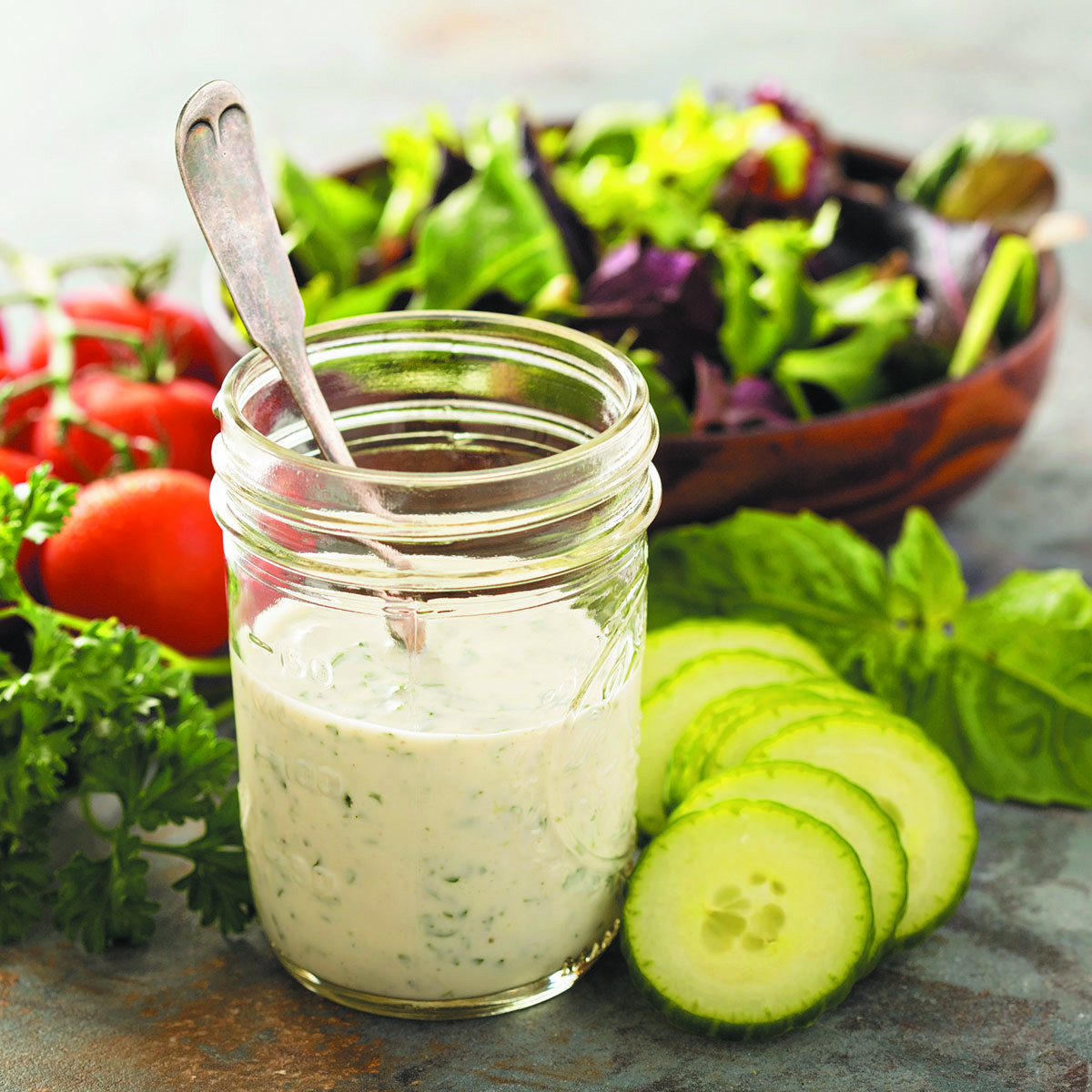
Is your salad dressing hurting your healthy diet?
Bottled dressings are often rich sources of saturated fat, calories, sodium, and added sugar.
Image: © VeselovaElena/Thinkstock
You're eating more salad for good health. But you may be undoing the benefits when you use a store-bought salad dressing.
"I have some clients who say they'll only eat salad if they can use dressing. That can add a lot of calories, sodium, sugar, and saturated fat," says registered dietitian Kathy McManus, director of the Department of Nutrition at Harvard-affiliated Brigham and Women's Hospital.

Breakfast and beyond: The case for a healthy morning meal
A breakfast containing lean protein, whole grains, and fruit may lower your risk of cardiovascular disease.
Image: © VeselovaElena/Thinkstock
Yes, you've heard it before — don't skip breakfast. Like many other popular sayings, this advice bears a kernel of scientific truth. But why is breakfast so important? "Quite simply, eating breakfast supports good health," says Kathy McManus, director of the Department of Nutrition at Harvard-affiliated Brigham and Women's Hospital. Coming as it does after the day's longest period without food, breakfast seems to influence metabolism more strongly than lunch or dinner. Failing to break your fast with a meal shortly after rising might strain your body, which could in theory lead to insulin resistance, and perhaps even other heart risk factors like high blood pressure and cholesterol problems, though this is all controversial.
A healthy morning meal also appears to be helpful in maintaining a good body weight. It may be a coincidence, but the downward trend in breakfast consumption over the last 40 years has coincided with the surge in obesity rates over the same period. In contrast, breakfast eaters are about a third less likely to be overweight or obese, and tend to be more successful in maintaining weight loss after dieting. They also show greater restraint when it comes to impulse snacking and overeating at other meals.
Fruits and vegetables for heart health: More is better
Research we're watching
Image: © tvirbickis/Thinkstock
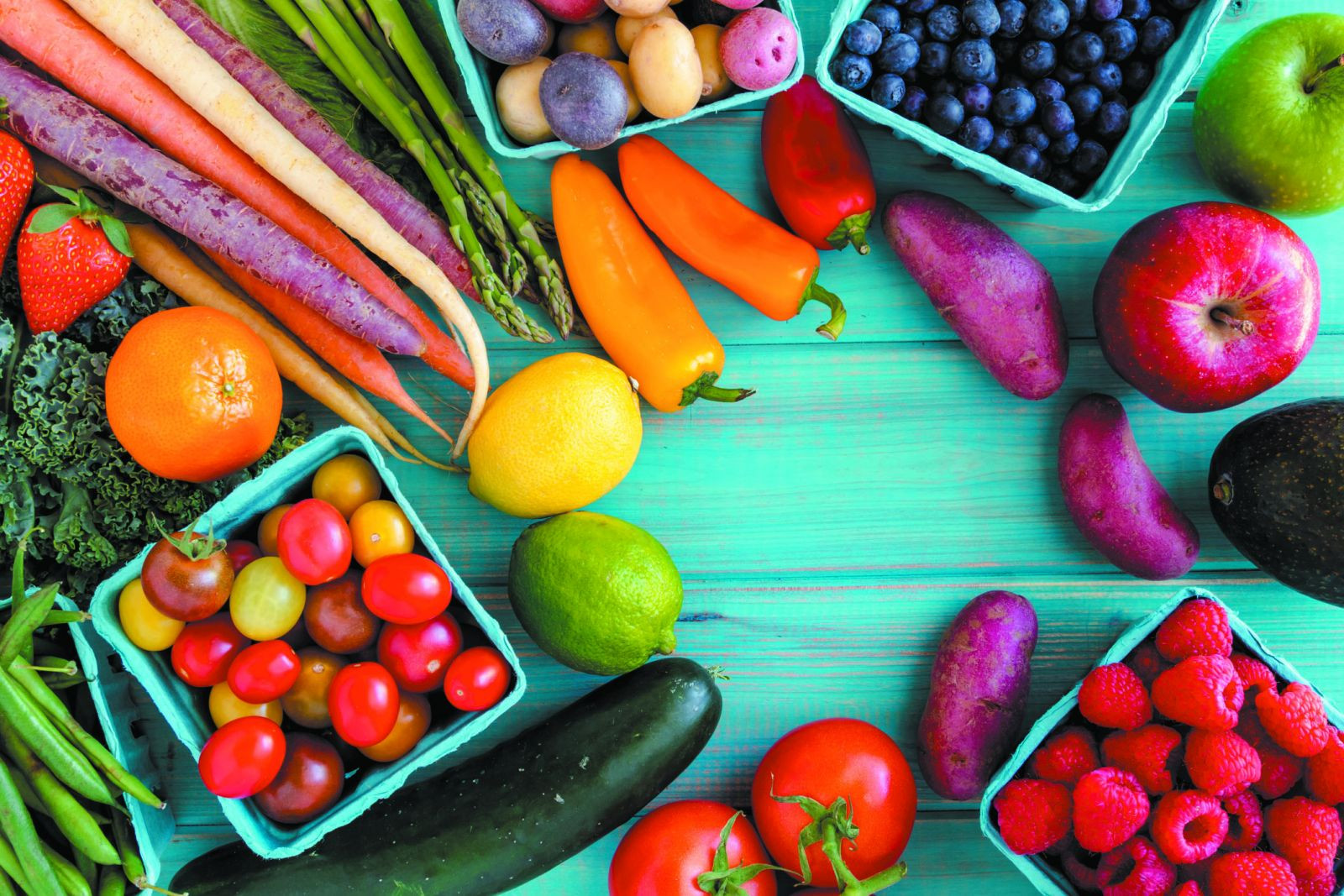
How many daily servings of fruits and vegetables should you eat to keep your heart healthy? Five servings a day (about two-and-a-half cups) appears to slightly lower your risk of heart attack and stroke. But pump up your produce intake to 10 servings a day, and you may lower your risk of cardiovascular disease by 28% and your risk of premature death by 31%, according to a new review article.
The findings, published online Feb. 22, 2017, by the International Journal of Epidemiology, were gleaned from 95 studies from around the world looking at the effects of fruit and vegetable intake. The items that seemed to offer the greatest benefits included apples, pears, oranges and other citrus fruits, green leafy vegetables, cruciferous vegetables (such as broccoli, cabbage, and cauliflower), and green and yellow vegetables (such as green beans, carrots, and peppers).
Naturally gluten-free foods
Harvard study: Healthier fats linked to longer life after prostate cancer diagnosis
Shingrix shingles vaccine linked with lower heart disease risks
Estrogen-only hormone therapy tied to lower dementia risk
Should you have a hysterectomy?
Stair climbing may significantly lower cardiovascular risks
Why do I sweat so much?
Walking pneumonia: The "mild" illness that can still pack a punch
What causes knee pain: How doctors make a diagnosis
Where you carry excess weight matters in predicting heart disease risk
Free Healthbeat Signup
Get the latest in health news delivered to your inbox!
Sign Up
