

Naturally gluten-free foods

Harvard study: Healthier fats linked to longer life after prostate cancer diagnosis

Shingrix shingles vaccine linked with lower heart disease risks

Estrogen-only hormone therapy tied to lower dementia risk

Should you have a hysterectomy?

Stair climbing may significantly lower cardiovascular risks

Why do I sweat so much?

Walking pneumonia: The "mild" illness that can still pack a punch

What causes knee pain: How doctors make a diagnosis

Where you carry excess weight matters in predicting heart disease risk
Healthy eating for diabetes Archive
Articles

Aspirin therapy may not lower heart attack risk for those with type 2 diabetes
In the journals
Low-dose aspirin therapy is standard treatment for people who have suffered a heart attack or stroke to protect them from a second one. But what about people who don't have cardiovascular disease, but do have specific risk factors, such as type 2 diabetes? A study published in the Feb. 14, 2017, Circulation found that low-dose aspirin therapy in fact did not lower this group's risk for heart attack or stroke.
The researchers recruited more than 2,500 people, ages 30 to 85, with type 2 diabetes and randomly assigned them to take either 81 mg or 100 mg of aspirin daily, or no aspirin, for three years. At the 10-year follow-up, they found that the aspirin therapy did not lower risk of either heart attack or stroke compared with taking no aspirin at all. The reason is not clear, but the researchers speculated that people with diabetes might not experience the expected anti-clotting action of aspirin.
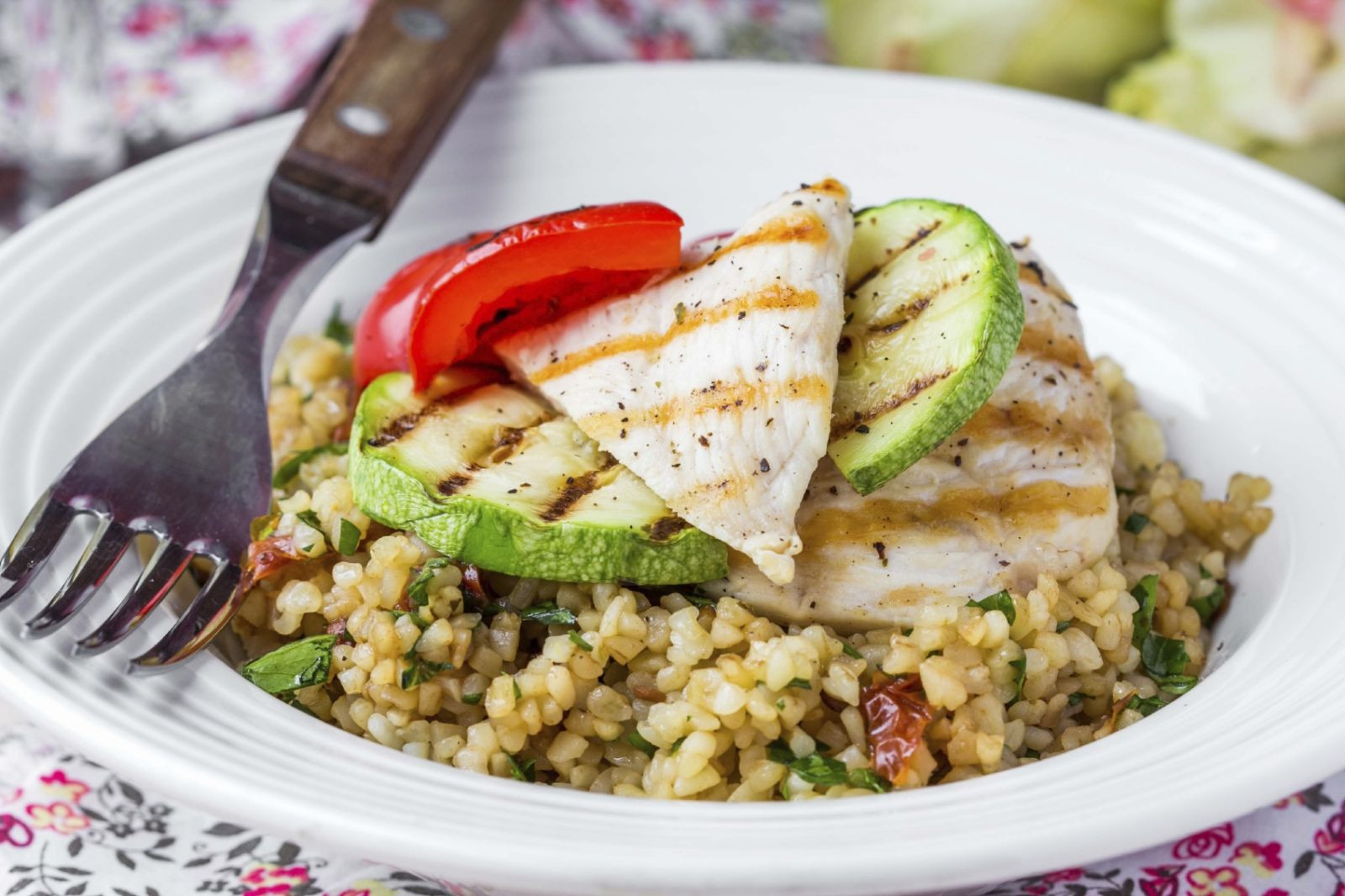
How to eat healthy away from home if you have diabetes
For people with diabetes, eating out — whether at a restaurant, a social function, or a friend's home — can be a challenge. Portions can be hefty and packed with calories and saturated fat. When you eat out, it may help to follow these simple guidelines:
- Ask how entrées are prepared, and avoid fried foods or dishes served in heavy sauces or gravies.
- Choose skinless chicken, fish, or lean meat that's broiled, poached, baked, or grilled.
- Get the server's advice to help you select healthy, low-fat dishes. Restaurants are used to dealing with special diets.
- Don't feel obliged to clean your plate. Eat a reasonable portion, and take the remainder home.
- Choose steamed vegetables and salads to accompany your meals. Request low-calorie dressings and toppings, and if they're not available, ask for all dressings, butter, and sauces to be served on the side so you can use them sparingly.
- If you take insulin and you know your meal will be delayed, time your injection appropriately. You may need to eat a roll or piece of fruit to tide you over.
- If you're craving dessert, have some — but split it with someone else.
For more information on the essentials for a healthy diet and managing type 2 diabetes, buy Healthy Eating for Type 2 Diabetes, a Special Health Report from Harvard Medical School.

Add color to your diet for good nutrition
Vegetable-rich diets are associated with lower risk for chronic disease. To get the full range of nutrition from plant foods, choose from a variety of colors when you shop and eat, including blue/purple, green, orange/yellow, white/light green, and red.
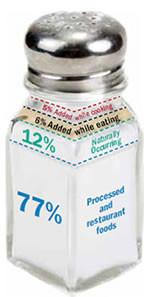
How to stay in the sodium safe zone
Excessive sodium raises blood pressure, which raises cardiovascular risks. Reading nutrition labels, considering sodium in restaurant meals, getting adequate potassium, and reducing calorie consumption can lower dietary sodium intake.

Power up your diet with plant-based meals
Opting for more vegetables and plant-based proteins is a new trend that's long been healthy.
Image: © Derkien/Thinkstock
Plant-based meals aren't just for vegetarians anymore. International food consultants Baum and Whiteman named vegetables and plant-based proteins two of the hottest restaurant trends for 2017. That's no surprise to Harvard dietitians. "There are many reasons why people are eating more plant-based meals," says registered dietitian Kathy McManus, director of the Department of Nutrition at Harvard-affiliated Brigham and Women's Hospital. "Part of it is about health, and part of it is about eating more environmentally sustainable meals."
Veg-centric meals
One of the trends is the "vegetable forward" or "veg-centric" movement. It's taken average vegetables and elevated them into creative entrées and side dishes. This cuisine focuses on roasting, layering, caramelizing, and grilling vegetables to give them bold flavors and appeal. You might find restaurants offering caramelized cauliflower with balsamic breadcrumbs, roasted parsnips with pistachio and lemon, or bitter greens and crispy yams. In some cases, the dishes are accompanied by chunks of animal protein (meat, poultry, or fish) that complement the meal but don't dominate it, similar to a Mediterranean-style diet.

Study ties Mediterranean diet to larger brain volume
News briefs
Image: © Francisco Arara/Thinkstock
Can eating a Mediterranean diet help you hold on to more brain cells in older age? A study published online Jan. 4, 2017, by Neurology suggests there's an association. Scientists measured the brain volumes of about 400 dementia-free people, taken when participants were age 73 and again at age 76. Researchers then compared the changes in brain volume over the three years to questionnaire answers about how well participants stuck to a Mediterranean-style diet. The diet includes lots of fruits, vegetables, olive oil, legumes, and whole grains; moderate amounts of fish, dairy foods, and red wine; and limited amounts of red meat and poultry.
Sticking to the diet was associated with a lower amount of total brain shrinkage over the three-year study period. The finding is only observational and doesn't prove that eating a Mediterranean diet slows age-related brain shrinkage. But other studies have linked eating a Mediterranean diet to larger brain volumes. The diet is also associated with better thinking skills, a reduced risk of Parkinson's disease and Alzheimer's disease, and a reduced risk of dying from heart disease or cancer.

Cracking the coconut craze
Are oils and other products made from this tropical fruit a healthy choice?
Image: © Magone/Thinkstock
Recently, a Harvard Heart Letter reader emailed us a question about coconut oil, a solid white fat that's been touted as a health food, specifically for the heart. Lately, more coconut-based products, including spreads and beverages, are showing up on grocery store shelves, along with jars of coconut oil. But this reader isn't buying it. "I cannot imagine that a food with so much saturated fat could be healthful. What is the latest scientific information regarding coconut oil?" he wrote.
Extracted from white "meat" inside the brown, hard-shelled fruit of the coconut palm, coconut oil is indeed chock-full of saturated fat. In fact, it's about 90% saturated fat, a much higher proportion than butter (64%) or lard (40%). Too much saturated fat in the diet raises harmful LDL cholesterol, which increases the risk of heart disease. But what else do we know about the health effects of this tropical fruit?

Nordic diet linked to lower stroke risk
Research we're watching
Following a Nordic diet — which features fish, whole grains, plus fruits and vegetables popular in Scandinavian countries — may help lower the risk of stroke, a new study suggests.
The study, published in the February 2017 issue of Stroke, included more than 55,000 Danish people from a national health registry, all of whom filled out questionnaires about their diets and other lifestyle habits. Researchers looked at how closely the participants followed the Healthy Nordic Food Index, which includes six food categories: fish, apples and pears, root vegetables (such as carrots and celery root), cabbages (which also include broccoli, cauliflower, kale, and Brussels sprouts), rye bread, and oatmeal.
More green, less red
Studies promote the many health benefits of a vegetarian diet, but you don't need to go full veggie to reap the rewards.
Most men recognize the value of a vegetarian diet, but following one can feel daunting. "Men's diets tend not to change much as they age, and they stick with their favorite foods," says Dr. Qi Sun, an assistant professor in the Department of Nutrition at the Harvard T.H. Chan School of Public Health. "A change to vegetarianism can feel overwhelming and confusing and thus may not be sustainable."
A solution is to become a "semi-vegetarian": adopt a plant-based diet in which you cut out the red and processed meat and eat healthier animal products like seafood and poultry only occasionally.

The lowdown on constipation
Don't take constipation sitting down. Lifestyle changes can help you find relief.
Image: © rimglow; © Martin Poole; © sarahdoow; © ValentynVolkov/Thinkstock
Constipation may be unpleasant and embarrassing, but it should never be ignored. About one-third of adults ages 60 and older report at least occasional constipation, which can leave them feeling bloated, uncomfortable, and sluggish.
"It's an incredibly common problem, especially among older men, but it's important to address and manage, as it can affect your nutrition and quality of life," says Dr. Judy Nee, a gastroenterologist with Harvard-affiliated Beth Israel Deaconess Medical Center.
Naturally gluten-free foods
Harvard study: Healthier fats linked to longer life after prostate cancer diagnosis
Shingrix shingles vaccine linked with lower heart disease risks
Estrogen-only hormone therapy tied to lower dementia risk
Should you have a hysterectomy?
Stair climbing may significantly lower cardiovascular risks
Why do I sweat so much?
Walking pneumonia: The "mild" illness that can still pack a punch
What causes knee pain: How doctors make a diagnosis
Where you carry excess weight matters in predicting heart disease risk
Free Healthbeat Signup
Get the latest in health news delivered to your inbox!
Sign Up
